ع
ع


The Crown Prosecution Service has brought one charge of conduct ancillary to genocide and six charges of conduct ancillary to murder as a crime against humanity against Dr Vincent Brown, formerly known as Dr Vincent Bajinya, under the International Criminal Court Act 2001. Prosecutors allege that the 65-year-old directed and incited killings of members of the Tutsi ethnic group in the Rugenge district of Kigali during the first week of the genocide. Brown, who resides in Islington in north London, appeared at Westminster Magistrates’ Court last month where he confirmed his identity but did not enter a plea. A judge has set strict bail conditions including a £100,000 surety, electronic monitoring and daily police reporting, though he remained in custody until that sum is secured, according to a report from the BBC.
Frank Ferguson, head of the CPS special crime and counter-terrorism division, said in a statement that the charges relate to allegations Brown took part in the genocide against the Tutsi in Rwanda in 1994 and that he is alleged to have directed and incited acts of murder and genocide carried out by others. The CPS reached its decision after reviewing evidence from the Metropolitan Police, concluding that the legal test for prosecution had been met. Ferguson stressed that criminal proceedings are active and urged against any online commentary that could prejudice the trial. The specific accusations centre on events between April 6 and 13 in 1994 when Brown allegedly supervised violence that resulted in six deaths, including those of three members of one household, a taxi driver and a mother with her infant son.
United Nations figures show that around 800,000 Tutsis and moderate Hutus were killed in the 100-day Rwandan genocide that began after the assassination of President Juvenal Habyarimana. A Guardian assessment of the case noted that the Metropolitan Police investigation opened in 2019 at the request of the Rwandan government and focused on alleged crimes in the Kigali area. Brown, who served as head of the Department of Family Health in Rwanda’s National Office of Population in the early 1990s, qualified as a doctor in the country during the 1980s before moving to the United Kingdom.
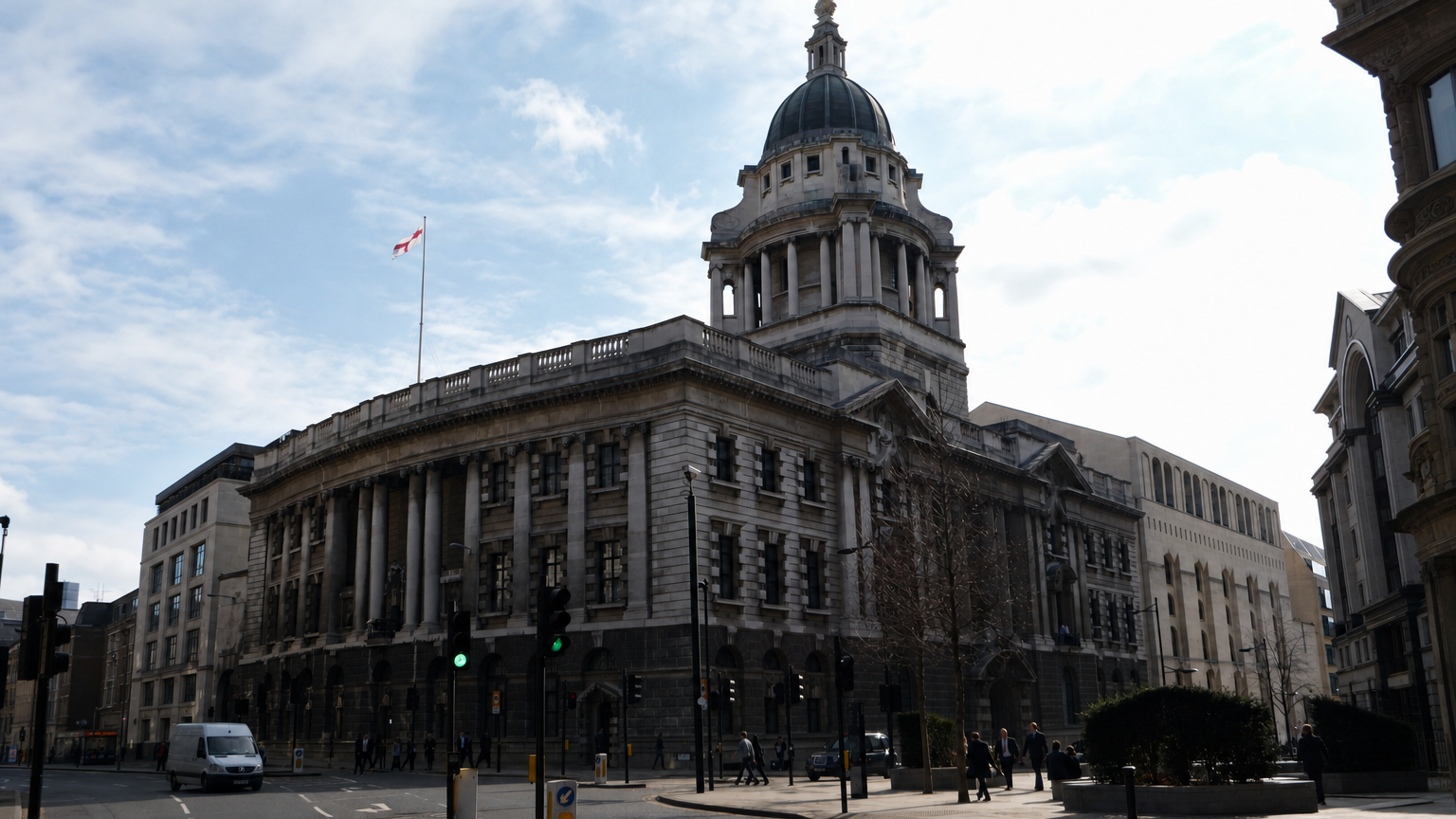
Court records from the initial hearing indicate that Brown denies the allegations and has stated he left Kigali in mid-April 1994. After arriving in Britain he worked with Praxis, a London charity supporting refugees, and contributed to a government task force on refugee nurses established in 2003. JURIST reporting on the charges highlighted that this marks the first UK prosecution tied to the Rwandan genocide, setting a precedent for universal jurisdiction cases under British law. The Old Bailey hearing on Thursday will address procedural matters ahead of any full trial.
A KT Press review of the bail decision outlined additional conditions including a ban on contact with prosecution witnesses and restrictions on travel outside England and Wales. Prosecutors listed the alleged victims as Dominique Mukurarinda, Immaculee Mukankusi, Gerasi Rurangirwa, Leandre Mbogoye, Charlotte Kamaguja and Olivier Tuyishime. The case has drawn attention from Rwandan officials who described it as a step toward accountability, according to statements carried by multiple outlets covering the proceedings.
The Metropolitan Police War Crimes Team spent seven years compiling the evidence file before submitting it to the CPS for review. Brown qualified in medicine in Rwanda during the 1980s and lived in a Kigali suburb with his family at the time of the genocide. His legal team has indicated that he intends to contest the charges vigorously at the Central Criminal Court.