ع
ع


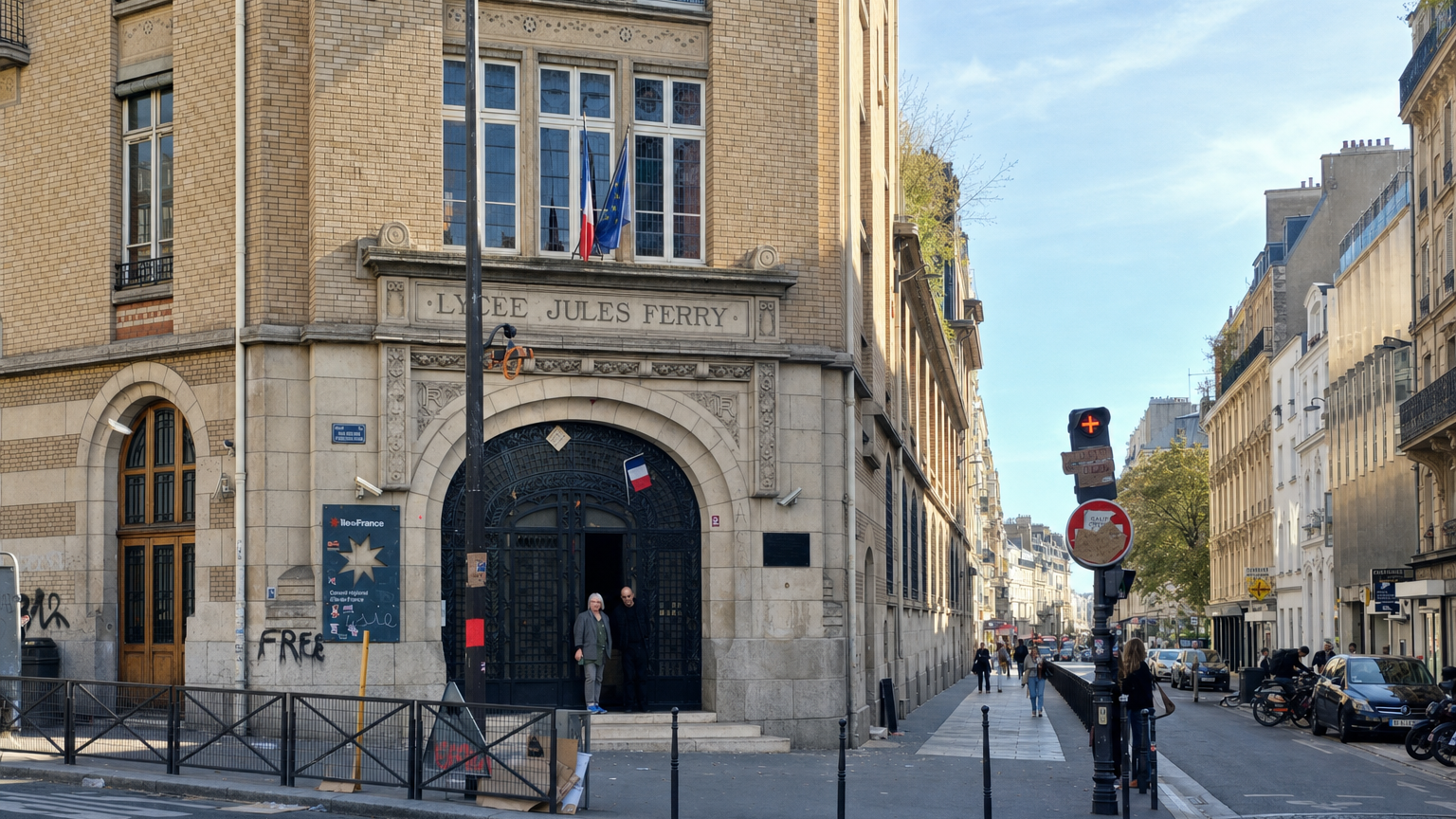
French authorities suspended the use of stun grenades during policing of high school protests on October 7 after a 15-year-old boy lost his hand in a clash with riot police in northern France. Prime Minister Sébastien Lecornu described the cumulative toll of 215 injured teenagers and 85 hurt school staff as the heaviest in decades for the education system, while more than 700 police officers have also been injured since demonstrations began. The interior ministry has recorded over 6,100 arrests, the vast majority of them minors, according to Reuters.[[4]](https://www.reuters.com/world/europe/france-braces-day-school-blockades-street-protests-2026-10-06/)
Protests spread to more than 40 cities with marches drawing between 250,000 and 450,000 participants on October 6 as teachers, parents and labor unions joined students in demands for better conditions. Education authorities reported more than 500 institutions partially or fully closed on October 7, down from higher numbers the previous day, while student unions claimed nearly twice as many blockades. Twenty-four schools have been burned or ransacked during the unrest, The Guardian reported.[[2]](https://www.theguardian.com/world/2026/oct/06/protests-schools-blockade-streets-france)
Students and teachers have documented leaking roofs, rat infestations, insufficient desks and long daily schedules stretching from early morning to evening with frequent gaps due to timetable issues following baccalaureate reforms. A Guardian analysis found French schools blighted by social inequality in which children from deprived areas face steeper barriers to advancement than in most OECD nations. The New York Times reported that complaints also target the Parcoursup university admissions platform for leaving tens of thousands of applicants in prolonged uncertainty.[[3]](https://www.theguardian.com/world/2026/oct/06/how-dilapidated-french-schools-inequality-education-system-protests)
French 15-year-olds registered the largest reading score decline among OECD countries between 2015 and 2025 in the Programme for International Student Assessment, with a 43-point drop, while maths results fell sharply as well. The OECD data underscores years of underfunding that students say has left buildings in disrepair and classes overcrowded in poorer districts. Government spending on education has not kept pace with inflation amid efforts to curb public debt, Reuters figures show.[[1]](https://www.reuters.com/world/europe/france-suspends-use-stun-grenades-police-student-protests-2026-10-07/)
The demonstrations have taken on a political dimension six months before presidential elections to succeed Emmanuel Macron, with the government accusing the far-left France Unbowed party of orchestrating the movement through local mayors and lawmakers who visited blockades. Party representatives have rejected the claims, insisting they support non-violent protest while criticizing the government’s response as repressive. A CNN report outlined how the unrest reflects deeper frustrations over the state’s ability to sustain public services amid weak growth and high borrowing costs.[[6]](https://www.cnn.com/2026/10/07/europe/france-high-school-protests-government-intl)
A BBC article titled “France’s school protests: what lies behind the anger” highlighted how the current wave exposes longstanding issues in the education system that have worsened over the past decade. The prime minister has promised a November parliamentary debate on a budget including 64 billion euros for education and launched initiatives for school renovations and revised student schedules. Lecornu directed schools to hold periods of internal democracy through the end of the week to discuss grievances directly, according to CNN.[[7]](https://www.cnn.com/2026/10/06/europe/france-student-protests-intl)