ع
ع


Projections from CBC News on October 6 indicated the Parti Quebecois captured enough seats to form the next Quebec government though short of a majority. The party is expected to hold around 58 or 59 seats in the 127-seat National Assembly according to tallies reported by Radio-Canada and La Presse. This outcome ends eight years of Coalition Avenir Quebec rule and marks the first Parti Quebecois government since 2012. Election modelling from 338Canada and The Writ had anticipated the result in the days leading up to the vote with the party consistently leading polls around 28 to 30 percent of the popular vote.
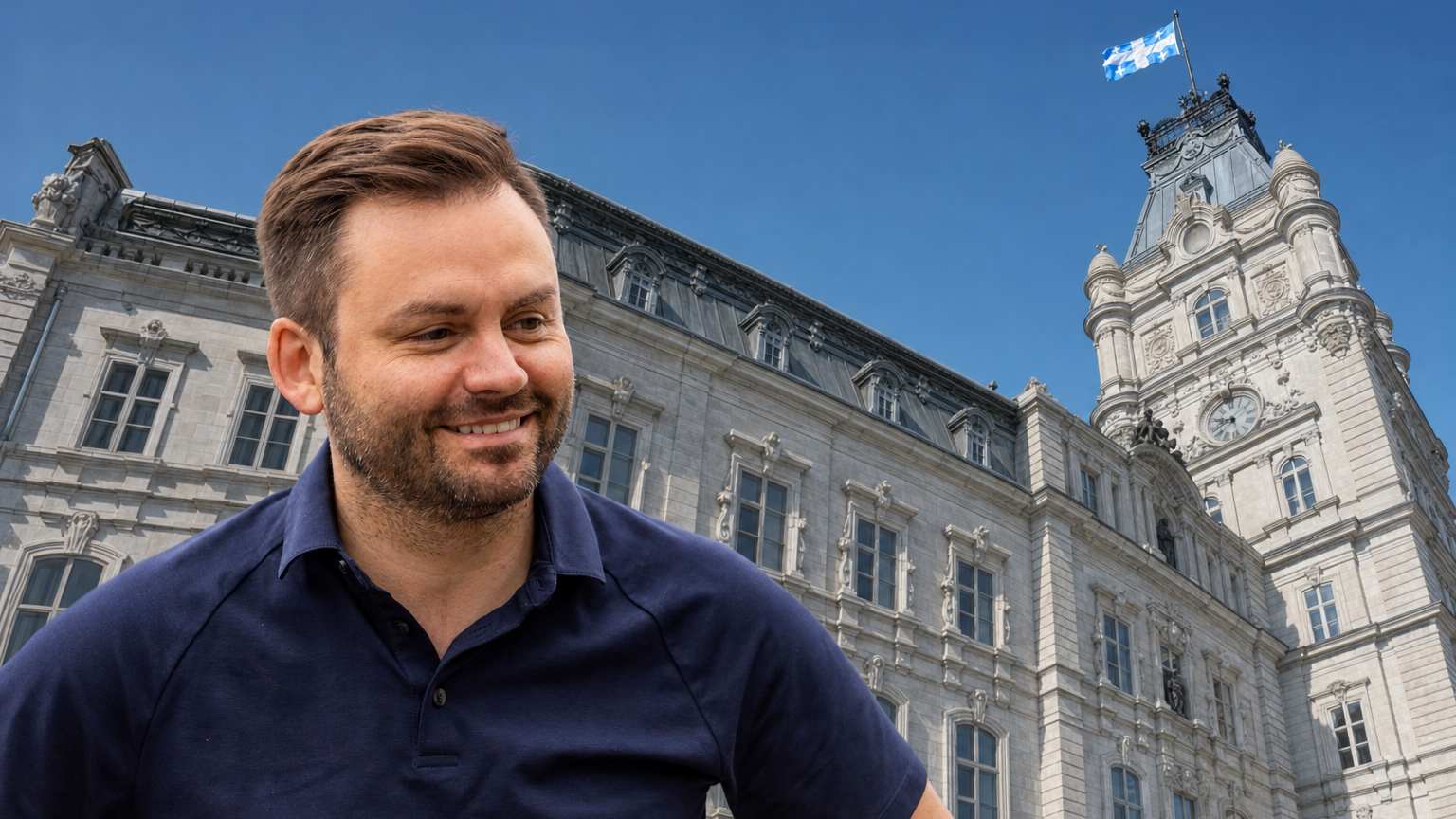
Paul St-Pierre Plamondon is projected to become Quebec’s 34th premier after winning his riding of Camille-Laurin as multiple outlets including the Montreal Gazette noted. The Parti Quebecois leader has pledged to hold a sovereignty referendum during his term though not until after 2029 when the current United States administration ends according to reporting in The Globe and Mail. A New York Times analysis published in the days before the election found that support for independence remains near historic lows around 30 percent despite the party’s strong performance. Polls cited by Synopsis Recherche placed the likelihood of a successful yes vote in any referendum at only 14 percent.
The 1995 referendum on Quebec sovereignty failed by a narrow margin and the 1980 vote was defeated more decisively as historical records maintained by Elections Quebec show. No referendum has been held since and public appetite for separation has declined as French-speaking Quebecers have grown wealthier and the province has seen increased immigration according to experts quoted in The New York Times. The Parti Quebecois resurgence comes despite never exceeding 30 percent in pre-election polling which forecasters said could result in the lowest vote share ever for a Quebec majority or minority government as detailed by The Globe and Mail.
The Coalition Avenir Quebec was projected to win zero seats in a complete reversal from its 90-seat majority in 2022 according to data compiled by 338Canada. Christine Fréchette who became premier earlier in 2026 after Francois Legault’s resignation conceded the election as CBC News reported. The Liberals were set to form the official opposition with approximately 37 seats while the Conservatives gained official party status with 17 to 19 seats and Quebec Solidaire held onto around nine ridings per projections from the Montreal Gazette and Wikipedia compilations of results.
Final seat counts from sources like Journal de Montreal placed the Parti Quebecois at 29.6 percent of the vote the Liberals at 24.3 percent and the Conservatives at 20.5 percent with the remainder split between other parties. This fragmented vote allowed the Parti Quebecois to secure a plurality of seats despite modest popular support as election trackers at 127QC explained in their final projection. Paul St-Pierre Plamondon told supporters on election night that the result represented a clear call for change after years of the previous administration.
Canadian federal leaders have monitored the outcome closely given the renewed discussion of sovereignty though no immediate constitutional crisis is expected as the minority government will require support from other parties to pass legislation including any referendum bill. A Western Standard review of the final polls underscored the uncertainty around whether the Parti Quebecois would reach the 64-seat majority threshold which it ultimately fell short of. The incoming government will face immediate tests on issues such as the economy and health care that dominated voter concerns during the campaign according to door-to-door reporting cited by The New York Times.