ع
ع


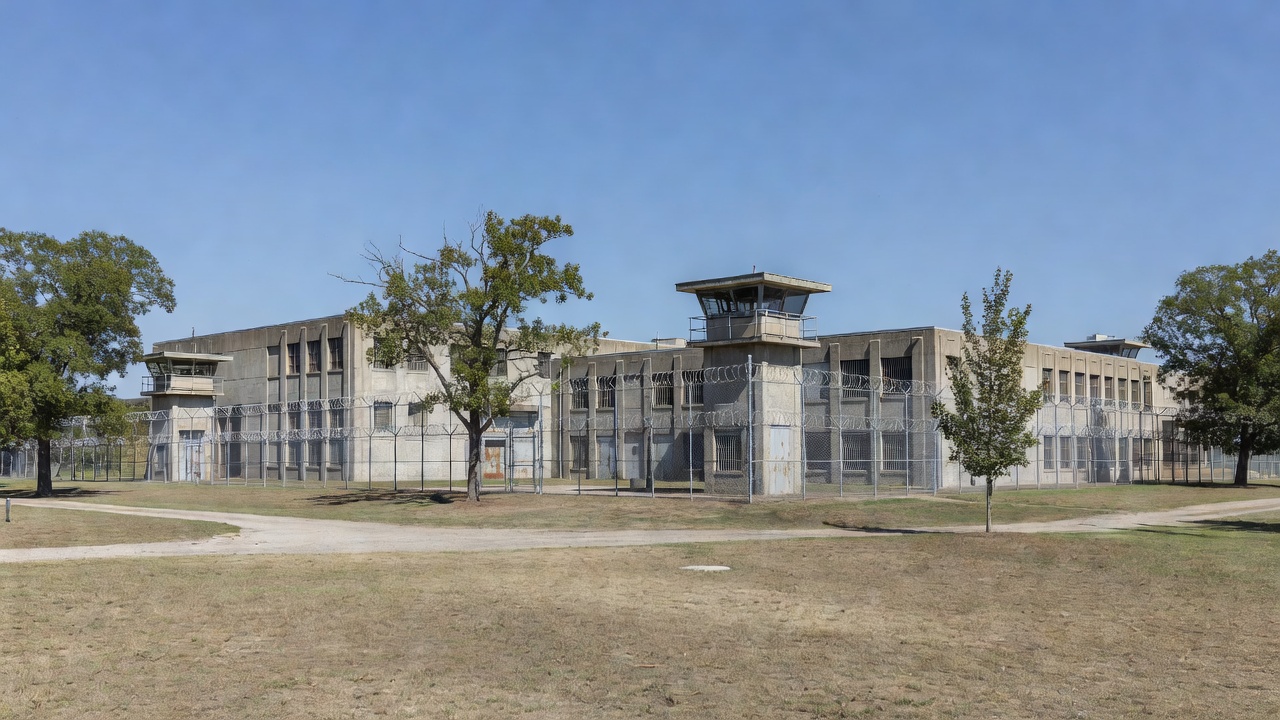
Christa Pike continued to receive life-saving medical care in a Nashville hospital with her long-term prognosis still uncertain following the failed execution attempt on September 30, according to her lawyers. Randy Spivey, one of Pike’s attorneys, told reporters that while she is alive, they do not have a clear sense of her health status or what ramifications she may face from the chemical exposure. In a subsequent court filing, her legal team described her as unconscious and dependent on a ventilator, with visible injuries to both arms from the attempts to administer the drugs. The filing sought to preserve all evidence related to the procedure as her condition was listed as critical.
The execution process at Riverbend Maximum Security Institution encountered significant difficulties from the start, witnesses reported to multiple news outlets. It took executioners more than an hour to establish intravenous access, during which at least seven needles were used in Pike’s left arm alone, one of which appeared bent upon removal, according to her attorney who was present. Despite two full doses of pentobarbital being administered, Pike remained conscious enough to complain of arm pain, snore audibly and continue breathing, leading officials to halt the procedure and transport her to hospital by ambulance rather than declare her dead. A New York Times account pieced together from witnesses detailed how the protocol offered no guidance for such a failure after the first attempt.
Pike, now 50, has been the only woman on Tennessee’s death row since her 1996 conviction for the torture and murder of 19-year-old Colleen Slemmer, a fellow student at a Knoxville Job Corps program. The crime, committed when Pike was 18 alongside a 17-year-old boyfriend and another acquaintance, involved a prolonged and brutal attack on the victim that included beating, cutting and mutilation, according to court records. Her legal team has long argued that her background of childhood sexual abuse, neglect, bipolar disorder and post-traumatic stress disorder should have spared her the death penalty, a position the Death Penalty Information Center has echoed by noting she likely would not face capital punishment if tried under current standards.
Lawyers had repeatedly warned state officials in the weeks leading up to the date that Pike’s small veins and underlying blood disorder made a smooth lethal injection unlikely, yet the procedure moved forward after the U.S. Supreme Court lifted a last-minute stay. A Reuters report on the case highlighted how this marked the second botched execution in Tennessee this year, following a May incident where officials could not locate a suitable vein for another condemned inmate. The nonpartisan Death Penalty Information Center described Pike as the first known person in the modern era of American capital punishment to survive after execution drugs were administered.
Tennessee Gov. Bill Lee, a Republican, responded by suspending all remaining executions scheduled for the rest of 2026 and ordering a comprehensive third-party review of what occurred during Pike’s procedure. In statements to the media, the governor called the outcome a tragedy that should not have happened, while the state Department of Correction maintained that its team had followed the lethal injection protocol exactly as written. Pike’s attorneys have since called for her sentence to be commuted to life imprisonment, arguing that the events amounted to cruel and unusual punishment that fulfilled their client’s worst fears of a prolonged and traumatic ordeal.
Legal experts have raised questions about whether Tennessee could attempt to execute Pike again, particularly if she sustained neurological damage that affects her competency. A Newsweek analysis cited Supreme Court precedents indicating that severe mental incompetence would bar further execution attempts, though the facts of her current condition remain under medical evaluation. Her lawyers have filed motions seeking to bar a second try while preserving the right to challenge the entire process on constitutional grounds.