ع
ع


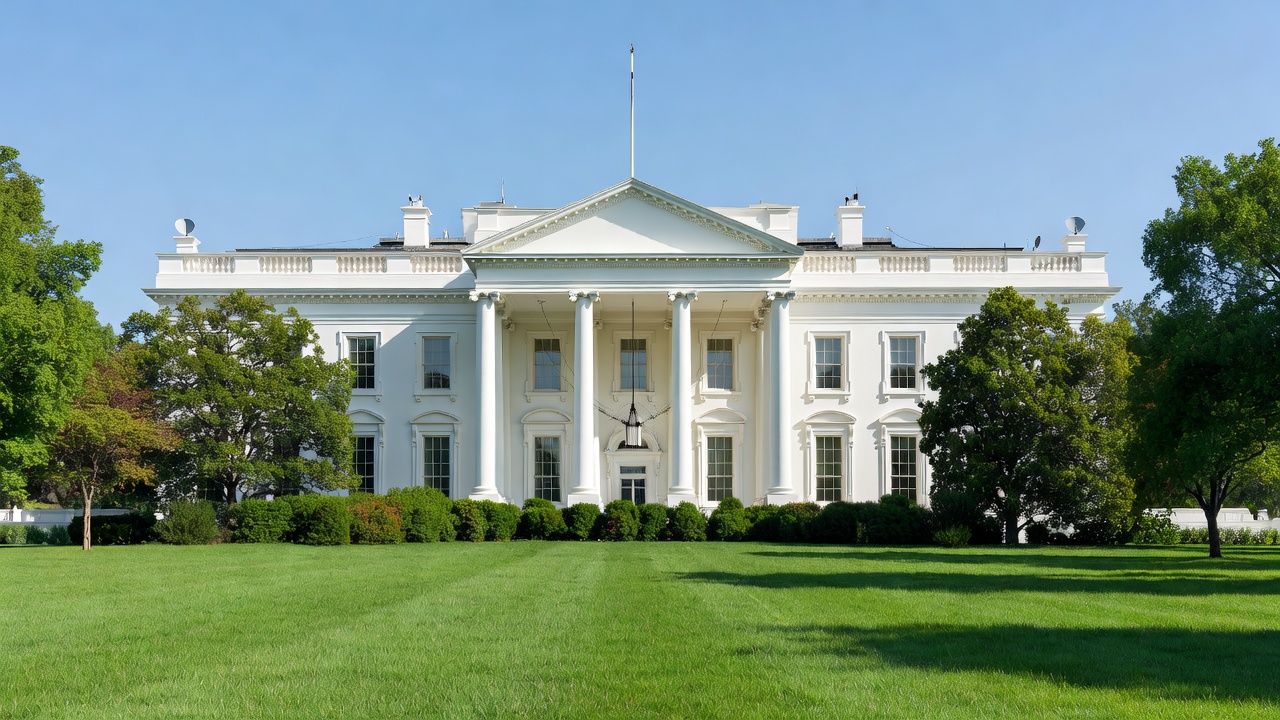
President Donald Trump announced the establishment of a Super Intelligence Force on October 4 to steer federal policy in rapidly advancing technologies and secure US dominance in the field. The body will be chaired by Director of National Intelligence Jay Clayton with Federal Trade Commission Chair Andrew Ferguson, Under Secretary of Defense for Research and Engineering Emil Michael and Office of Personnel Management Director Scott Kupor serving as vice chairs according to the president’s post on Truth Social. The task force will report directly to Trump and White House Chief of Staff Susie Wiles while engaging consumers, public interest groups, religious organizations, critical infrastructure providers and technology companies. A related White House fact sheet outlined how the force fits into broader efforts to accelerate innovation without excessive regulation.
The announcement follows a September 29 executive order that directed all federal agencies to adopt the terms Super Intelligence and SI in place of artificial intelligence and AI in official documents. A White House summary stated the terminology shift recognizes the transformative promise of these systems and instructed departments to cease acknowledging the prior labels where possible. Trump had previously hosted technology executives at the White House where participants signed a commitment on self-policing frontier models to address safety concerns while promoting responsible development.
Trump described the force’s objectives in his Truth Social post. “The Super Intelligence Force is tasked with coordinating the effort of the Federal Government to ensure that America continues to lead the World in Super Intelligence, which many say is bigger than the Industrial Revolution, and the Internet, and will protect the interests, and improve the lives, of all Americans,” he wrote. Director of National Intelligence Jay Clayton, who chairs the group, previously stated that when something presents both opportunity and threat officials must address it directly. The task force received a 120-day mandate to assess risks and opportunities while developing plans that avoid overregulation or regulatory capture according to its charter reported by multiple outlets.
Gartner Inc. projected worldwide spending on these technologies will reach 2.67 trillion dollars in 2026, a 49.5 percent increase from the previous year. Brookings Institution analysis placed federal obligations for related contracts at 7.2 billion dollars in the current budget with potential awards climbing to 91.8 billion dollars, the vast majority tied to the Department of Defense. Stanford AI Index data showed US private investment in the sector far outpacing other nations with 285.9 billion dollars recorded in 2025 compared with 12.4 billion dollars in China.
Upon taking office the administration eliminated prior policies in this domain and directed more than 5 billion dollars toward the Genesis Mission aimed at breakthroughs in science, medicine, energy and manufacturing a White House fact sheet reported. The White House released America’s AI Action Plan in July 2025 identifying dozens of federal steps to build infrastructure and extend leadership globally. In March 2026 officials unveiled a National Super Intelligence Policy Framework that included legislative recommendations to broaden benefits across the population.
The move aligns with Trump’s long-standing position that the United States must prevail in global competition particularly with China to reap the technology’s advantages. In earlier remarks the president argued that sensible regulation should support innovation rather than hinder it while warning that falling behind would carry national security implications. Clayton has echoed concerns about cybersecurity threats from advanced models and the need for the US to avoid ceding ground in development.