ع
ع


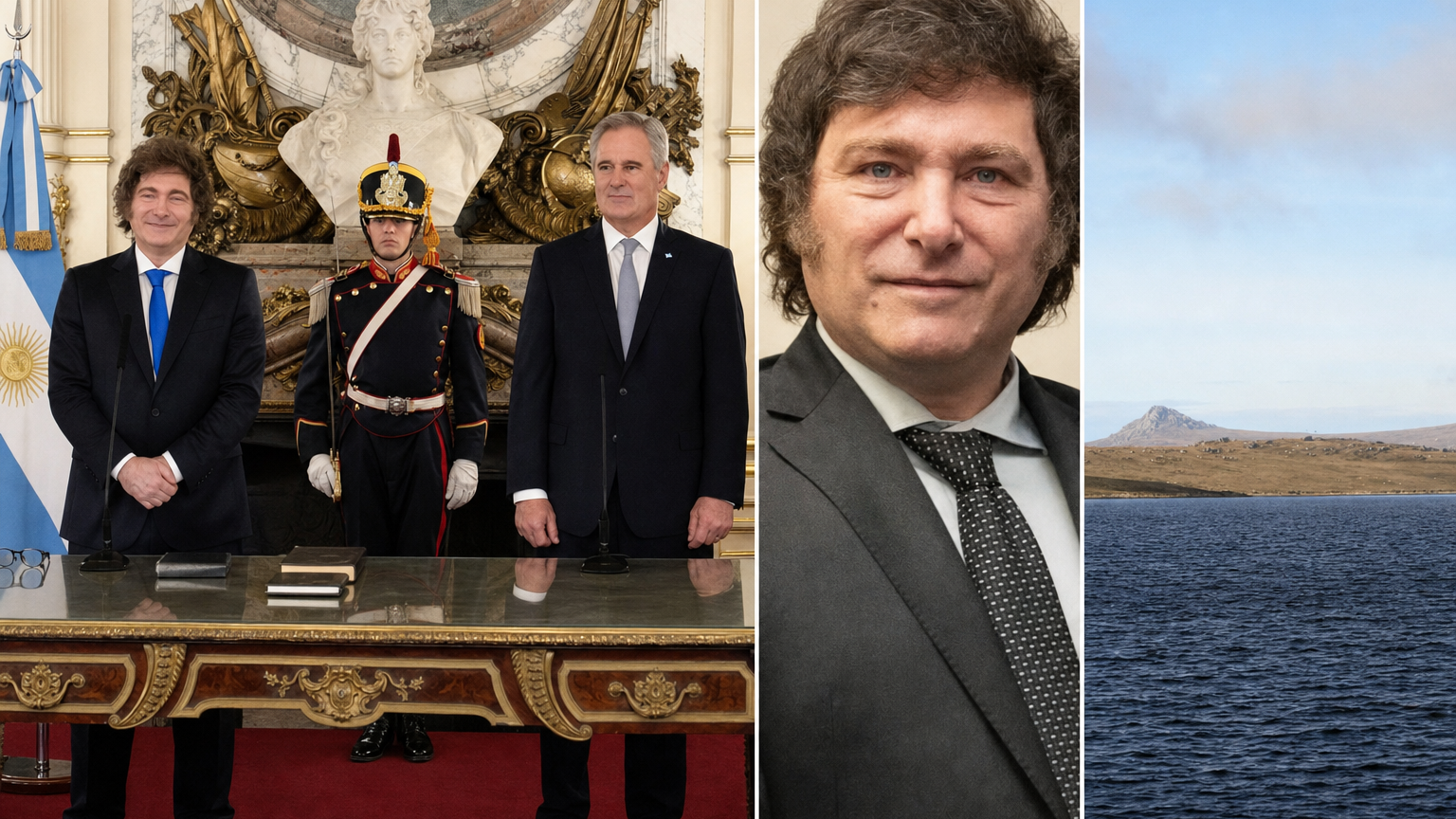
In a post on X, Argentine President Javier Milei instructed the Foreign Ministry and legal teams to initiate international arbitration proceedings against the United Kingdom over the Sea Lion project in the North Falkland Basin. Milei set a two-week deadline for the UK to stop what he called the illegal plundering of Argentine resources, warning that failure to comply would result in the case being taken to the International Tribunal for the Law of the Sea in Hamburg. Foreign Minister Pablo Quirno confirmed that the government had formally notified the UK of the start of the arbitration process and described the move as a historic step in Argentina’s nearly 200-year campaign for sovereignty over the archipelago, which it calls the Malvinas. The presidential office added that Argentina would not stand idly by while the UK caused irreversible harm to its sovereign rights.
The Sea Lion oilfield is operated by Israel’s Navitas Petroleum, with UK-based Rockhopper Exploration holding a 35 percent working interest, company filings show. Independent evaluations by Netherland, Sewell & Associates place proved and probable reserves at more than 314 million barrels gross, with first oil targeted for early 2028 and significant contingent resources beyond that. Both companies have consistently maintained that the project holds valid licences from the Falkland Islands government and retains full support from UK authorities. Rockhopper’s August 2026 report projected future net revenue exceeding $6 billion for its share under certain price assumptions after royalties and taxes.
This threat escalates measures introduced earlier in September when an Argentine federal judge ordered a temporary halt to Sea Lion activities pending an environmental review, according to an Associated Press dispatch. The government has filed criminal complaints against executives and shareholders of Navitas Petroleum, Rockhopper Exploration and other licence holders, invoking a 2011 law that imposes penalties of up to 20 years in prison and disqualification from operating in Argentina, Reuters reported at the time. A presidential bill under consideration would extend sanctions to suppliers and broaden the legal framework to cover additional economic activities around the islands, previous official statements indicated.
Milei has characterised the oil development as a clear and present danger to Argentine interests and insisted the Malvinas are defended with deeds rather than words. His administration argues that any exploration or exploitation of resources in the area without Buenos Aires’ authorisation must face consequences, as Quirno wrote on X. The latest action builds on a national address in early September in which Milei pledged to use all diplomatic, economic and legal tools to press the sovereignty claim.
The United Kingdom maintains that the Falkland Islanders have the right to self-determination and that the islands will remain British, a stance Prime Minister Andy Burnham reiterated at the United Nations General Assembly this month. Burnham told delegates that Britain would stand firm in defence of the islanders’ wishes, according to a Downing Street summary of his remarks. The Falkland Islands government has backed the Sea Lion development as a route to economic diversification, while Rockhopper and Navitas issued a joint statement affirming that their licences and timetable remain unaffected by Argentine legal moves.
Britain has administered the Falkland Islands since 1833, a period during which Argentina has maintained its competing sovereignty claim. The two countries fought a 74-day war in 1982 after Argentine troops landed on the archipelago, leading to more than 900 deaths before British forces regained control. The International Tribunal for the Law of the Sea, established under the 1982 UN Convention, can issue legally binding emergency orders, yet it possesses no enforcement power if a party declines to comply, various legal assessments have observed.