

 ع
ع


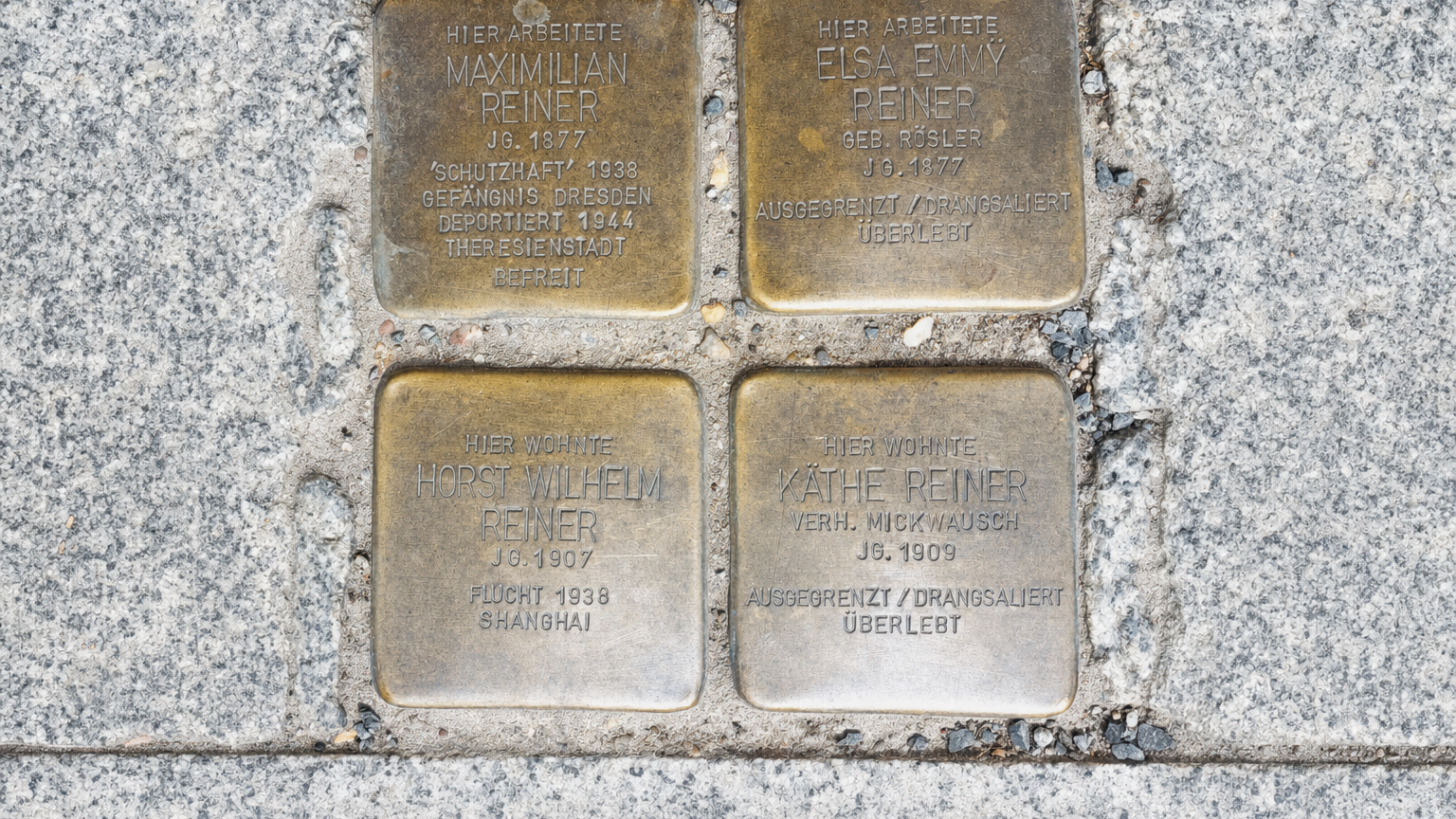
The Heidenau city council approved a ban on new installations of Stolpersteine in public areas during a vote on September 25, 2026. According to the Jerusalem Post, the secret ballot saw 13 councillors support the measure, with six voting against and one abstaining. The proposal was advanced by representatives from the CDU, AfD and the Oberelbe Alliance for More Democracy, who maintained that people should not walk over the names of those killed by the Nazis. Plans for seven additional stones were halted by the new policy.
Supporters of the resolution recommended that all future Holocaust commemorations take place at a dedicated site in the northern cemetery to ensure a dignified remembrance without the risk of stepping on the plaques. The town’s administration had recommended rejecting the proposal and stressed that commemoration should remain visible in public spaces, a position noted in reports by the Neue Zuercher Zeitung. There are currently five Stolpersteine in Heidenau, one of which honors a former mayor ousted by the Nazis.
Artist Gunter Demnig, the creator of the stumbling stones concept, dismissed the town’s arguments in comments to German media outlets. He insisted that the memorials must be located where the victims once lived or worked to effectively engage younger generations with the history, according to coverage by CNN. Project figures show that more than 126,000 such stones have been laid in 31 countries since the first one was placed in Cologne in 1992, the Associated Press reported.
Israeli Ambassador to Germany Ron Prosor expressed shame over the decision on social media, pointing out that some of the existing stones in Germany relate to members of his own family. “I’m ashamed,” Prosor said, adding that “Germany needs a clear firewall against anti-Semitism – whether it comes from the right, the left or Islamist circles. Without exception.” Education Minister Karin Prien labeled the council’s action a scandal, as relayed by dpa international. Activists and politicians from various parties reacted with anger to the joint stance taken by the CDU and the AfD on this matter.
Stolpersteine consist of brass-covered cubes set into the pavement bearing inscriptions about individual victims of Nazi persecution, including their names, dates of birth and details of their deportation and murder. The initiative, started by Demnig in the early 1990s, has become the world’s largest decentralized memorial to Holocaust victims. In Heidenau near Dresden, the five existing memorials include one commemorating Paul Gröger, a pre-Nazi era mayor.
A similar prohibition has been in place in Munich for over a decade, where the city council upheld a ban on street-level memorials in 2015 despite a large petition against it, according to the Jewish Telegraphic Agency. The International March of the Living described Heidenau’s vote as a wake-up call and called for its reversal, Jewish News reported. The DW noted that activists, politicians and representatives of Holocaust victims reacted with anger after the center-right CDU joined forces with the AfD.