ع
ع


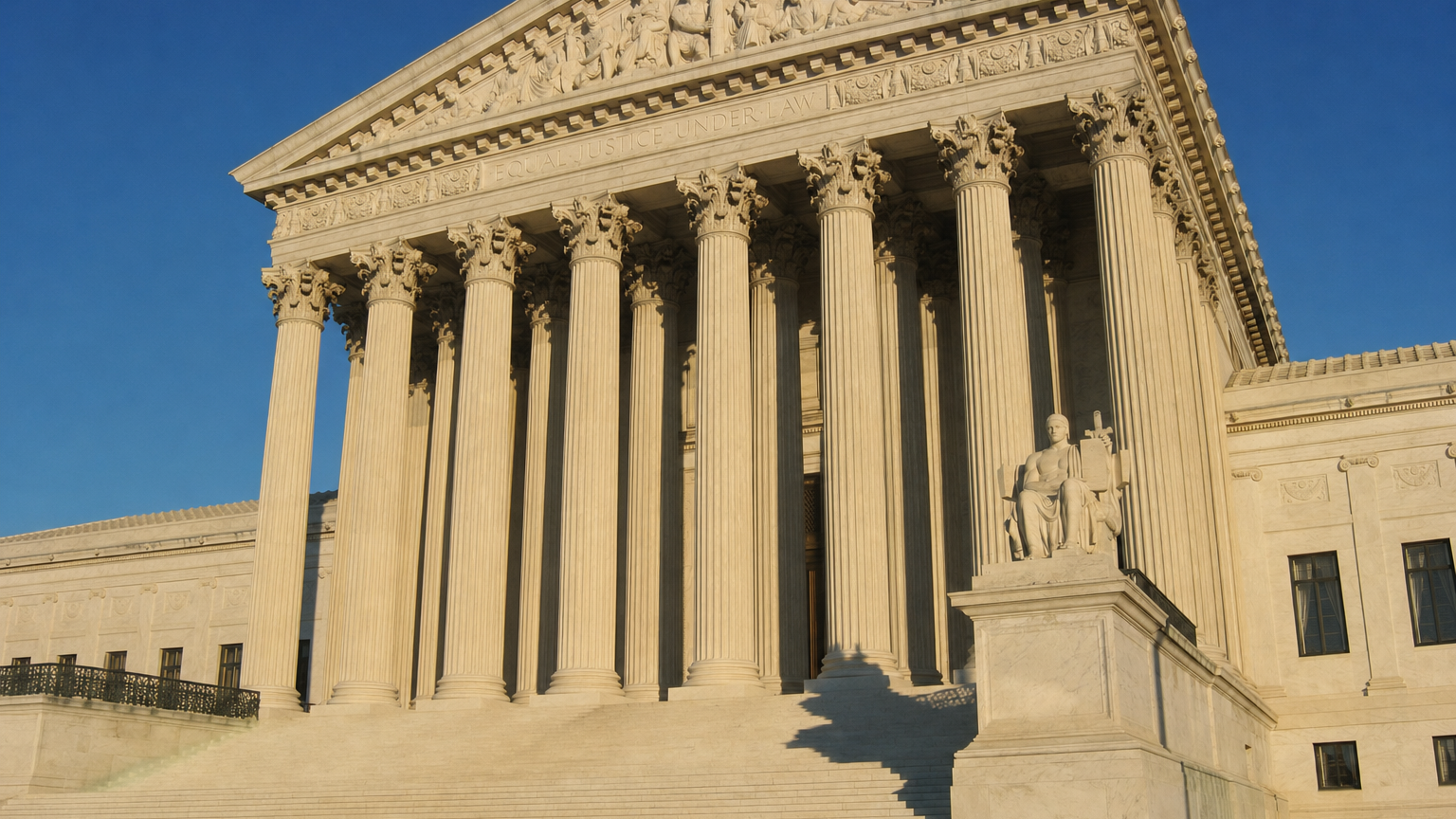
The Supreme Court granted the Justice Department’s emergency request to block a lower court order that had halted use of the modified Systematic Alien Verification for Entitlements program, according to a Reuters report on the unsigned opinion. The decision allows states to query the Department of Homeland Security database using Social Security numbers and other data for individualized citizenship checks of registered voters. Federal law requires the government to respond to such requests from state and local election officials, the court determined, while noting that statutes generally prohibit mass voter purges within 90 days of an election. The ruling arrives less than two months before the midterm contests that will determine control of Congress.
A federal district judge in Washington had blocked the database overhaul in June after finding it violated multiple federal privacy statutes and relied on error-prone information, according to court records detailed by CNN. U.S. District Judge Sparkle Sooknanan wrote that the changes, implemented after a 2025 executive order from President Donald Trump, created a centralized repository containing sensitive details on millions of Americans. The U.S. Court of Appeals for the District of Columbia Circuit upheld that injunction in a 2-1 decision earlier this month, prompting the administration’s appeal to the high court. Three liberal justices dissented from Friday’s order, though they did not issue a written explanation.
Voting rights and privacy advocates had presented evidence that the revamped system produced high error rates when used for voter screening, a Reuters review of Supreme Court filings showed. In Travis County, Texas, an election official reported that 25 percent of matches flagged as noncitizens involved individuals who had already proven their citizenship. Similar discrepancies appeared in St. Louis County, Missouri, where at least 81 percent of responses were later determined to be inaccurate. Naturalized citizens have been disproportionately affected by such mismatches in states that have tested the database on voter rolls.
The Trump administration described the lower court ruling as indefensible and argued that blocking the tool threatened the integrity of upcoming elections, the Justice Department stated in its filing. Officials maintained that the database enhancements improve accuracy over prior methods and fulfill longstanding state requests for better verification resources. The program remains voluntary for states, and its use must comply with federal restrictions on systematic removals close to Election Day. Several Republican-led states, including Texas and Florida, have already incorporated the system into their election administration processes.
The Systematic Alien Verification for Entitlements database originated decades ago under immigration law to help agencies confirm eligibility for public benefits and prevent improper payments to noncitizens, according to a PBS News summary of its history. The 2025 modifications expanded it to include Social Security Administration records, permitted bulk uploads and enabled states to screen voter registrations more efficiently than the previous individualized query format. A separate federal judge in Florida had ordered the Homeland Security Department to restore access for four states under a prior settlement, creating conflicting directives that the Supreme Court action now resolves nationwide. The original system did not cover native-born citizens or allow the broader searches now permitted.
Election officials in jurisdictions that piloted the database reported investigating dozens of flagged registrations, with a notable portion ultimately confirmed as valid voters, a CBS News account of the litigation indicated. The League of Women Voters and allied groups that brought the original challenge warned that the system’s flaws could suppress participation among eligible citizens, particularly in diverse communities. The Department of Homeland Security paused certain features after the June injunction to comply, including the Social Security number search capability. Friday’s Supreme Court order puts those elements back in operation pending a full appeal on the merits.