ع
ع


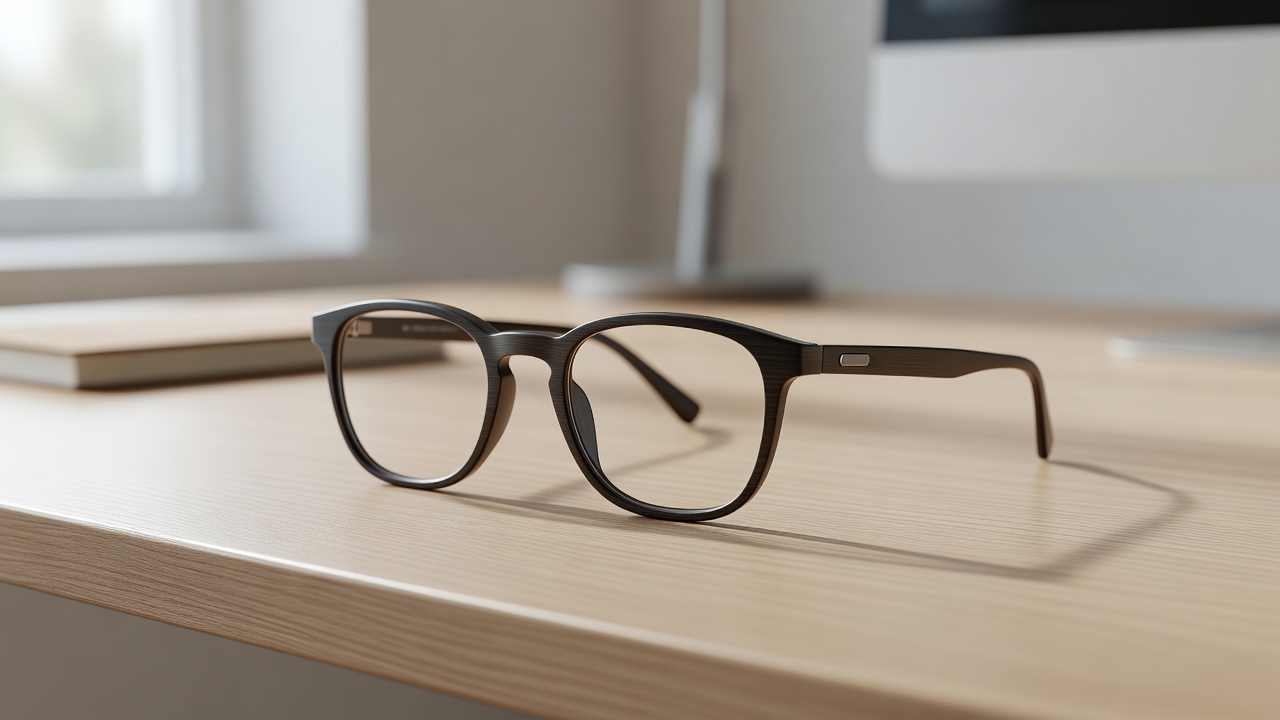
Meta is developing camera-free smart glasses code-named Luna that would rely on six built-in microphones and a side button to interact with the company’s Meta AI and Muse personal agent instead of any lens for photos or video according to a report from The Information. The device is expected in two styles known as Clubmaster and Burbank with shipments potentially beginning in October 2026 if the company unveils it at its Connect event this week. Multiple technology outlets including Decrypt and Tom’s Guide have reported the plan as an effort to move past the privacy controversies surrounding the firm’s current offerings.
The Ray-Ban Meta smart glasses have drawn the nickname pervert glasses after repeated instances of users secretly filming strangers particularly women and posting the footage online often without the subjects’ knowledge or consent. A BBC investigation earlier this year documented cases where women were approached and recorded in public settings leading to harassment on platforms such as TikTok. The label gained traction as reports emerged of the glasses’ recording indicator light being easy to obscure or ignore in some situations.
Industry data shows the camera-equipped models achieved strong sales with seven million units sold in 2025 alone yet the privacy issues have prompted warnings from law enforcement agencies. Internal memos obtained by media outlets indicate that the New York Police Department and Homeland Security have cautioned that the devices could be used to covertly record inside jails government buildings and other sensitive areas. U.S. Immigration and Customs Enforcement has banned its personnel from wearing them at work according to reports from Reuters and CNET.
Legal and regulatory actions have intensified the scrutiny with Texas Attorney General Ken Paxton launching an investigation in May 2026 into Meta’s privacy representations and the potential for unlawful collection of facial data. Lawsuits filed in California allege that footage from the glasses including intimate or private moments was sent to contractors in Kenya for AI training with some faces not always blurred as claimed. European regulators have also signaled concerns with France’s data protection authority warning that such devices risk normalizing near-invisible surveillance across society.
A broader industry shift toward camera-free designs has emerged as manufacturers seek to avoid the stigma while still offering smart features such as displays for translations or teleprompters. PCMag has highlighted models from Even Realities Xgimi and RayNeo that deliberately omit cameras with some explicitly marketing the absence as a privacy benefit particularly in markets sensitive to recording. RayNeo’s iO glasses for instance weigh just 33 grams and use a head-up display along with multiple microphones and bone conduction for audio without any lens according to product details reviewed by technology publications.
The camera-free approach aligns with satirical takes from privacy-focused companies such as DuckDuckGo which released normal sunglasses without electronics as a commentary on the trend. These developments come as the smart glasses market expands with Samsung preparing its own intelligent eyewear through partnerships and Apple reportedly targeting a 2027 launch. Observers note that success for products like Luna will depend on whether consumers prioritize AI voice capabilities over the photo and video functions that drove earlier adoption.