ع
ع


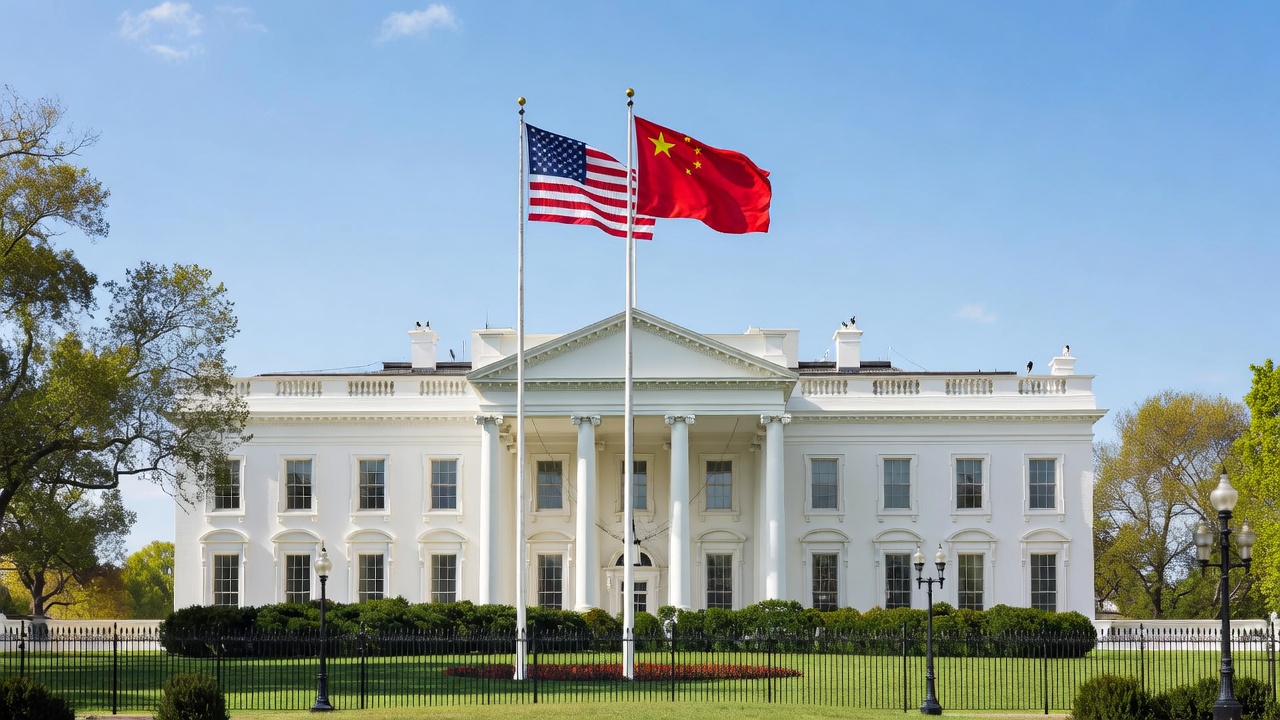
The Center for Strategic and International Studies described the Sept. 24 summit as an opportunity for both leaders to stabilize the bilateral relationship following last year’s trade tensions. The visit builds on a trade truce agreed during their October 2025 meeting in Busan, South Korea, that halted new tariffs in exchange for continued flow of rare earth minerals from China. Chinese officials are seeking approval for $30 billion in low-tariff exports to the United States and clearer signals on allowing investments in electric vehicles and renewable energy, the Washington-based think tank reported.
According to the Council on Foreign Relations, Beijing holds an upper hand in the current dynamics due to its control over critical supply chains. The two sides are expected to discuss extending the existing trade framework while addressing persistent imbalances that have fueled disputes since the first Trump administration. Discussions may also cover easing some technology export controls that have restricted Chinese access to advanced semiconductors.
A Brookings Institution review of previous encounters noted that Taiwan has emerged as a central topic in recent Trump-Xi talks despite initial US intentions to focus on economics. President Xi has repeatedly warned that mishandling the Taiwan issue could lead to clashes, a point emphasized in state media coverage of the May 2026 Beijing summit. The US has delayed certain arms sales to Taiwan as part of efforts to maintain dialogue, multiple reports from the trip indicated.
The New York Times reported that friction over technology and artificial intelligence could complicate the atmosphere during the Washington meetings. Both nations are navigating rivalry in AI development while seeking to avoid escalation that might disrupt global supply chains. Previous agreements have allowed limited sales of Nvidia chips to China, but broader controls remain in place.
Politico’s coverage of the May summit highlighted thin results on substantive deals despite optimistic rhetoric from the US side. Trump indicated willingness to reconsider aspects of Taiwan policy in exchange for economic concessions, a shift that raised concerns among regional allies. The upcoming visit offers another chance to define a new framework for managing competition, according to analysts cited in the publication.
Foreign Affairs magazine outlined the broader implications for global primacy in technology and regional power balances. The summit comes as both leaders face domestic pressures that could influence their negotiating positions on Iran-related issues and economic recovery. No major breakthroughs are anticipated, but the meeting aims to prevent deterioration in relations, the article concluded.