ع
ع


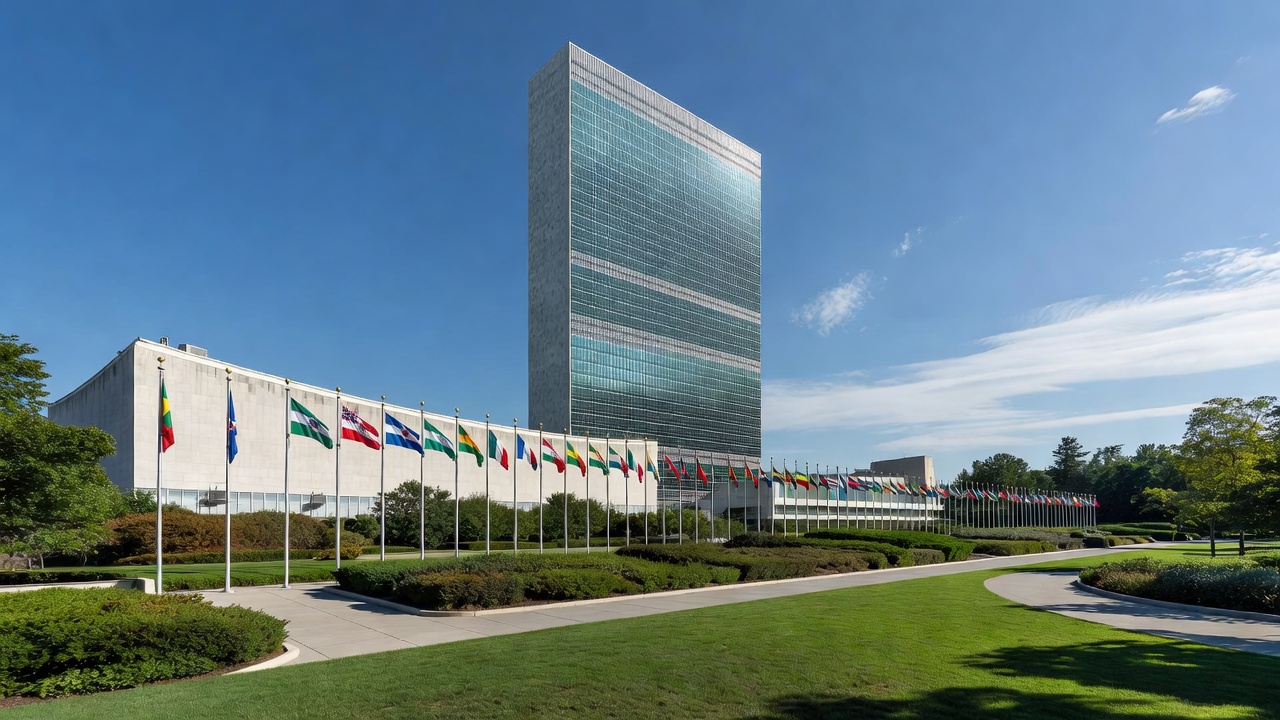
The encounter at a reception hosted by Trump included Secretary of State Marco Rubio, Treasury Secretary Scott Bessent, White House Chief of Staff Susie Wiles and Deputy Chief of Staff for Policy Stephen Miller, a White House official said. Rodriguez described the talks as historic and said they covered strengthening relations along with a cooperation agenda in strategic areas such as energy, mining, security and other matters of mutual interest. The interim leader is scheduled to address the General Assembly on Wednesday as her delegation seeks to present Venezuela as open to fresh investment following last month’s energy agreement that gives the United States partial control over the country’s oil reserves.
A Reuters dispatch from the event noted that Rodriguez’s team, which includes the economy vice president, the oil minister and PDVSA officials, has held parallel discussions with US counterparts, multilateral lenders and companies on energy, mining and debt issues. Trump has separately called for 100 billion dollars in investment to revive Venezuela’s oil sector, which has suffered from years of underinvestment and mismanagement. The meeting marks the first in-person contact between the two leaders since the January 3 US military operation that removed Maduro from power and led to his indictment in New York on narco-terrorism charges.
According to the Council on Foreign Relations, the political instability and economic collapse under Maduro drove nearly eight million Venezuelans to emigrate, representing one of the largest displacement crises in Latin American history. A National Bureau of Economic Research analysis found that areas with high emigration rates experienced GDP contractions averaging 29 percent along with rising inequality. These pressures have persisted into the post-Maduro period even as the interim government has begun releasing political prisoners and pursuing talks with opposition factions.
World Bank data places direct physical damage from the twin earthquakes that struck near Caracas on June 24 at 19.6 billion dollars, with reconstruction costs potentially double that amount in a country whose GDP has shrunk by roughly 80 percent over the past decade. The disasters compounded humanitarian needs in a nation where Foro Penal has documented 344 political prisoners still held as of mid-September despite an amnesty law that freed more than 800 detainees between January and May. A Congressional Research Service review indicates the Trump administration has prioritised stabilising security and economic conditions while pressing for eventual elections.
Rodriguez assumed the interim role immediately after Maduro’s capture, with the US recognising her government as it sought to reset relations and open the energy sector to American firms, according to multiple diplomatic accounts. Opposition figures including Edmundo González Urrutia, whom the US previously recognised as president-elect following the disputed 2024 vote, have continued to call for a fuller democratic transition from exile. González attended Trump’s inauguration in January 2025 and has met with regional leaders to advocate for verified prisoner releases and fresh elections.
The interim administration exceeded constitutional time limits on its mandate in July without triggering a vote, prompting analysts to watch for signs of progress in Panama-brokered talks between government and opposition representatives that resumed in August. US sanctions relief and investment flows remain tied to measurable advances on democracy and human rights, a State Department assessment found. Rodriguez’s New York visit represents her first trip to the United States since taking office as she works to normalise ties with Washington.