ع
ع


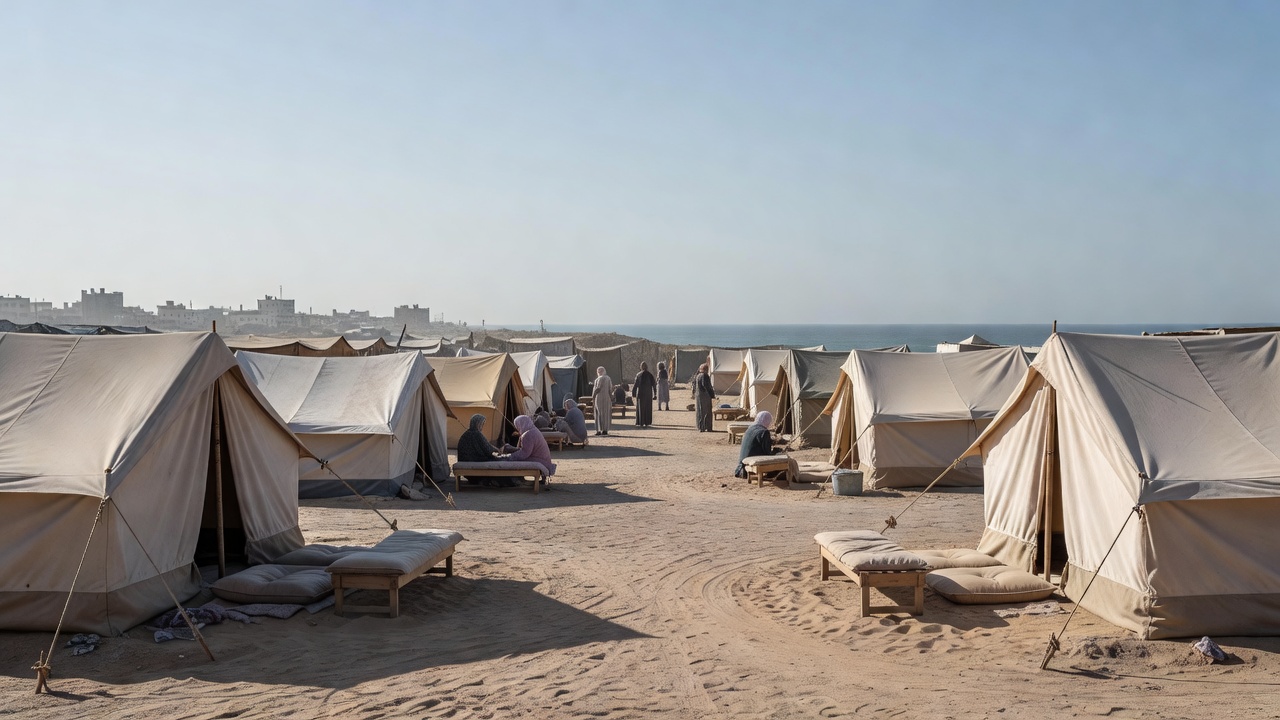
The UNFPA-led task force analysis of data collected by 10 organisations found that overall reported gender-based violence incidents in Gaza rose 27 percent in the second quarter of 2026 from the January-to-March period. Denial of resources opportunities and services accounted for 32.7 percent of the cases while psychological and emotional violence made up 30.9 percent and physical assault 30.5 percent according to the September 2026 trends report. Adult women between the ages of 18 and 59 represented 68 percent of reported survivors an increase of 11 percent from the previous quarter the UNFPA assessment showed.
Forced and early marriage rose to 2.6 percent of total reported incidents from 2 percent in the first quarter yet the absolute number of cases increased 123 percent the UNFPA report stated. The analysis highlighted that such marriages involved girls aged 12 to 17 with orphans left especially vulnerable amid the breakdown of family structures in the ongoing crisis. One interviewed woman in a Gaza City displacement camp told researchers she had attended the wedding of two girls from her family who were aged 14 and 15 the document noted.
Sexual violence including rape and sexual assault accounted for 2.7 percent of all reported gender-based violence cases between April and June up from 2.1 percent in the preceding quarter the task force found. That shift represented a 61 percent surge in the absolute number of such incidents which the UNFPA linked in part to greater awareness and improved confidential reporting channels. Under-reporting remains acute due to stigma and fear of retaliation while UN safety audits have shown women and girls face particular risks at night and often avoid camp toilets and bathrooms as a result the report added.
UN Women data released in April 2026 placed the number of women and girls killed in Gaza above 38,000 between October 2023 and December 2025 with nearly 790,000 experiencing crisis-level or catastrophic food insecurity by the end of that period. The agency found that women now head nearly one in four households in Gaza roughly double the pre-October 2023 rate of one in nine and that such households report gender-related protection concerns at a rate of 19 percent compared with 8 percent in male-headed households. Women-headed households also indicated higher unmet needs for safe spaces at 20 percent versus 10 percent according to the UN Women analysis.
An independent international commission of inquiry on the occupied Palestinian territory concluded in a March 2025 report that Israeli forces had systematically employed sexual reproductive and other forms of gender-based violence against Palestinians since October 2023. The commission documented a large increase in sexual and gender-based crimes that it said were intended to retaliate and punish Palestinians collectively for the attacks carried out in southern Israel. It further noted the disproportionate impact on women and girls including through the destruction of healthcare infrastructure that has restricted access to reproductive services.
UN Women figures from a September 2026 brief indicated that women and girls in Gaza have been displaced multiple times on average with limited access to water food and medical care compounding protection risks. The agency has supported multisectoral responses through 68 safe spaces for women and girls as well as case management and dignity kit distributions that reached thousands of beneficiaries in early 2026. Partners continue to provide psychosocial support legal aid and sexual reproductive health information despite damaged infrastructure and operational constraints the update showed.