ع
ع


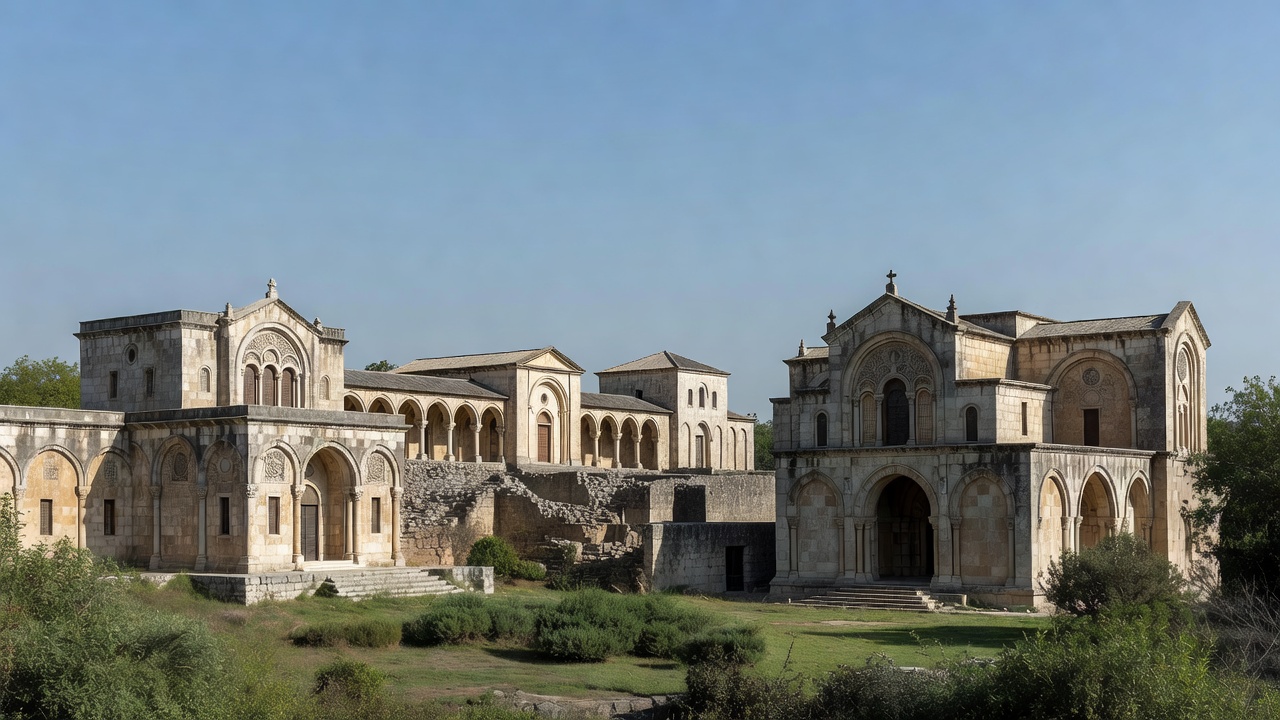
UNESCO data places damage to Ukraine’s culture and tourism sectors at nearly $3.5 billion following two years of conflict, a 40 percent rise from prior estimates that covers more than 4,700 reported assets including historic buildings, museums and religious structures. The organization has verified harm to 545 cultural sites as of July 2026, encompassing 281 historical buildings, 156 religious sites and dozens of museums along with libraries and archives. A UNESCO assessment found that recovery would require approximately $9 billion over the next decade to rebuild and restore lost revenue exceeding $19 billion in the combined sectors.
Similar destruction has unfolded in Gaza, where UNESCO tallies indicate at least 164 cultural sites damaged since October 2023, including ancient mosques, churches, archaeological remains and museums that trace local Islamic, Christian and Greco-Roman history. In Syria and Iraq, years of fighting have affected all six World Heritage sites, with deliberate targeting of mausoleums, souks and shrines documented in multiple reports from the organization. Yemen has seen at least 16 heritage locations impacted by recent strikes, according to regional monitoring cited in UNESCO-affiliated reviews.
The International Criminal Court established a legal benchmark in 2016 by convicting Ahmad Al Faqi Al Mahdi of war crimes for destroying nine mausoleums and a mosque in Timbuktu, Mali, an action described by UNESCO as part of a campaign of cultural cleansing. This precedent has fueled arguments for prosecuting similar acts in ongoing conflicts, where heritage destruction is viewed as an attack on community identity. A UN Secretary-General report from 2024 outlined UNESCO’s expanded training for police and justice officials to counter illicit trafficking tied to such incidents.
UNESCO’s Intergovernmental Committee, formed in 1978, has mediated returns of cultural property and recently examined cases from colonial eras alongside conflict-related losses, according to the latest UN summary covering activities through mid-2024. The committee facilitated the 2021 repatriation of the Gilgamesh Tablet to Iraq and continues consultations on recommendations for restitution of items lost to occupation or illicit appropriation. A separate Peking University project has catalogued more than 23,000 Chinese bronzes held overseas, creating an evidence base for potential claims as documented in a 2026 South China Morning Post account.
Women in conflict zones experience amplified losses when heritage sites are ruined, a pattern detailed in research on Islamic State actions in Syria and Iraq published by The Conversation in 2026. The study, based on interviews with affected residents, found that shrines and gathering places served vital roles in mourning, education and social cohesion that cannot be easily replaced. Comparable effects have been noted in Ukraine, where damage to libraries and museums has erased elements of collective memory.
Broader international frameworks, including the 1970 UNESCO Convention against illicit trade, underpin current efforts to inventory and digitize at-risk items in cities such as Kyiv and Odesa. The 2024 UN report to the General Assembly highlighted these measures alongside Security Council resolutions that condemn trafficking during armed conflicts. Progress on restitution remains uneven, with a 2024 overview of Holocaust-era looted art showing that 24 nations have made little or no advancement on return principles endorsed in the 2009 Terezin Declaration.