ع
ع


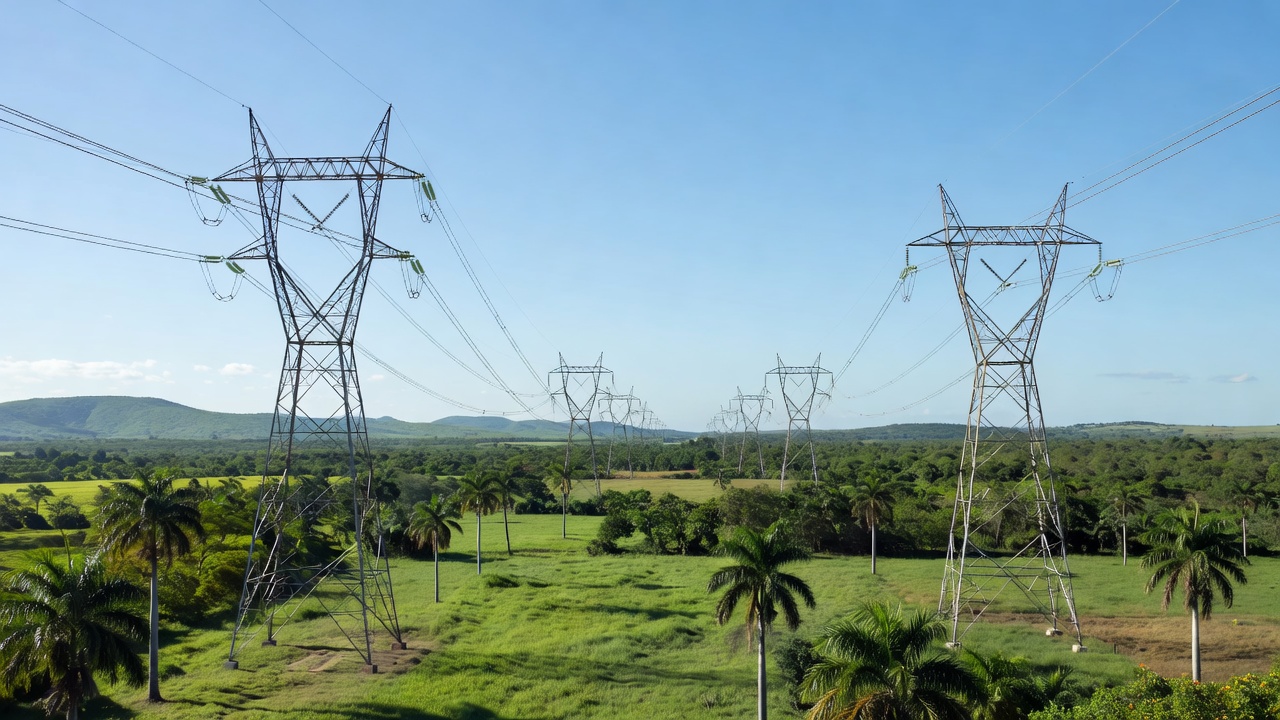
Cuba’s Ministry of Energy and Mines announced the islandwide outage on its official X account after a failure in high-voltage transmission lines in central Cuba occurred around 2 p.m. local time on Friday, according to a Reuters dispatch from Havana. The collapse cascaded through the system, disconnecting both western and eastern regions, with the state newspaper Granma reporting that unstable weather conditions further strained the grid. Power had returned to about 5 percent of users in Havana, home to roughly 862,000 customers, by late evening, primarily in areas around hospitals, a U.S. News and World Report article citing official data showed. Felix Estrada, an official with Cuba’s National Electrical Union, stated that protocols were now in place to begin gradual restoration of the system.
This event marks at least the sixth partial or total grid collapse since January 2026, when the United States intensified an oil blockade that has blocked fuel shipments to the island, Reuters reported in its coverage of the latest failure. The country’s aging infrastructure, with most thermal power plants operating for over 30 years without adequate maintenance, has left the system vulnerable to frequent breakdowns, an assessment by economist Ricardo Torres in a report titled “Without Electricity, There Is No Country” found. Electric generation in Cuba fell from more than 21,000 GWh in 2019 to less than 16,000 GWh in 2025, a reduction of nearly 25 percent that the report attributed to investment priorities favoring tourism over energy at a ratio of nearly four to one.
United Nations human rights experts have described the U.S. oil blockade as a violation of international law and warned that Cuba risks becoming a “silent Gaza” as shortages intensify, according to Reuters and The Economic Times articles that cited the experts’ statements. Data compiled from state utility UNE and reviewed by IEEE Spectrum showed daily electricity deficits averaging around 1,600 MW in 2025, with peaks exceeding 2,200 MW in June 2026 when 106 distributed generation plants sat idle due to fuel shortages. The Antonio Guiteras plant in Matanzas, the island’s largest generator, has recorded 16 breakdowns so far in 2026, contributing to cascades that remove hundreds of megawatts from an already constrained network, a CiberCuba analysis of official figures detailed.
Residents across Havana described the cumulative impact of repeated outages that disrupt water pumping, food storage and medical services, with 84 percent of water infrastructure dependent on electricity according to CSIS reporting on UN data. “No one can stand these constant blackouts. There isn’t enough food, there’s no water, there’s no electricity — you have no idea,” Mercedes Rodriguez, a 60-year-old Havana worker, told The Associated Press while waiting for public transport. Frank Lorenzo, a 23-year-old resident, told Reuters he had endured 24 hours without power the previous day before the latest collapse left him facing another night without refrigeration or fans.
Cuba’s power crisis forms part of a pattern dating to 2024, when multiple nationwide blackouts occurred after the Antonio Guiteras plant went offline and fuel imports from Venezuela and other allies declined sharply, Wikipedia’s compilation of events drawn from news reports noted. The island requires about 110,000 barrels of oil daily for its needs but produces only around 40,000, forcing reliance on costly spot-market purchases that have become harder under the tightened U.S. measures, an EL PAÍS graphic analysis of UNE releases showed. Officials have restarted some circuits serving critical facilities, yet large portions of the country, including Santiago de Cuba, remained without electricity late into the night, according to multiple dispatches from Havana-based correspondents.
The latest blackout follows protests in July 2026, when residents in several cities banged pots and pans to demand restoration after outages stretched beyond 30 hours, Al Jazeera reported in its coverage of that period’s third collapse in 10 days. A Forbes review of the energy sector traced the fragility to post-Soviet neglect, estimating modernization costs could reach $10 billion, while renewable sources accounted for just 3.6 percent of generation in 2024 despite new solar additions. Energy Minister Vicente de la O Levy has acknowledged the difficulties on state media, noting the blockade’s role in exhausting fuel reserves without providing a specific timeline for full recovery, CBS News coverage from earlier incidents indicated.