
 ع
ع


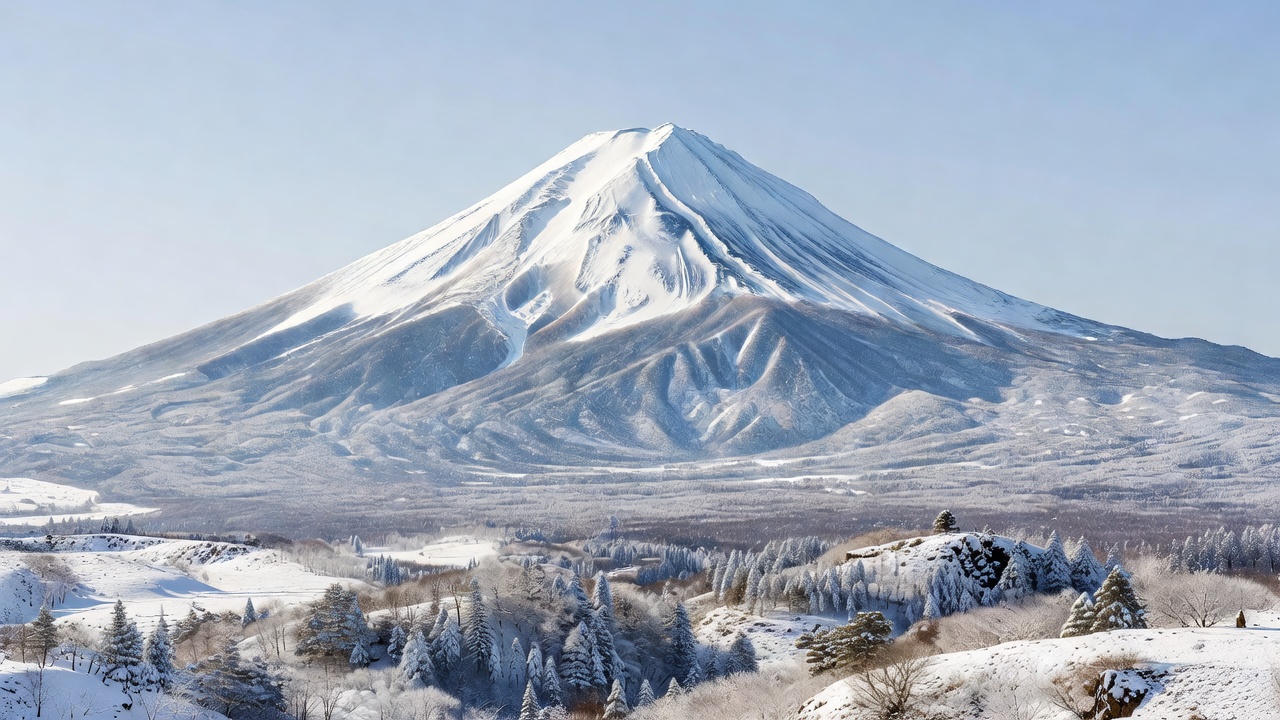
Yamanashi Governor Kotaro Nagasaki outlined the policy at a regular press conference, stating that those attempting to climb above the sixth station on routes such as the Yoshida Trail outside the official season must submit a detailed climbing plan in advance. The plan will include information on routes, equipment and intended safety measures, with officials prepared to recommend changes if experts deem the proposal inadequate. Fees for prefectural helicopter rescues will apply to those who fail to register or ignore advice, though reductions or waivers may be available for climbers who follow procedures and demonstrate appropriate precautions, according to a Yamanashi prefectural government assessment. Nagasaki told reporters that the public should refrain from off-season climbs altogether.
The measures, which Yamanashi authorities expect to implement from September 2027 after regulatory adjustments, draw on an existing system in Saitama prefecture that charges 8,000 yen per five minutes of helicopter flight time. Yamanashi officials indicated they would use that rate as a reference while continuing to evaluate inclusions such as personnel costs to ensure fairness. In an announcement reported by The Japan News, prefectural representatives emphasised that the goal remains saving lives first while shifting some financial burden from taxpayers who currently cover all rescue expenses.
Yomiuri Shimbun analysis of smartphone location data conducted with Location AI placed the annual number of off-season climbers at between 8,000 and 12,000 from 2019 to 2025, excluding most foreign visitors who form a significant share of summer traffic. Prefectural police figures show 79 rescue incidents occurred during those off-season periods, resulting in 19 deaths, compared with 310 incidents and 21 fatalities while the mountain was officially open. The data places the off-season fatality rate at roughly four times higher than during the July-to-early-September season when huts and support services operate.
Shizuoka prefecture, which oversees the southern slopes, will introduce mandatory registration for off-season attempts and penalties for those who fail to notify authorities or enter restricted zones, though it has not announced a parallel rescue fee. Officials in both prefectures have recorded a steady increase in unplanned winter and shoulder-season climbs, including cases of foreign tourists who required multiple rescues after ignoring closure warnings. A 27-year-old Chinese student who developed altitude sickness and was airlifted once in April 2025 returned days later for belongings and needed a second rescue, an episode cited in local reporting as emblematic of the trend.
Mount Fuji’s official season draws approximately 200,000 hikers each year, according to Yamanashi and Shizuoka prefecture tallies, but the mountain’s trails remain legally closed outside that window under road regulations that carry potential fines up to 300,000 yen or six months’ imprisonment. Yamanashi’s new framework will also include physical barriers and sensors to limit access during the closed period, building on earlier efforts to manage overcrowding that once prompted a cap on daily summer climbers. Central Statistical Bureau and police compilations further indicate that middle-aged and older men account for the majority of fatalities, with more than 70 percent occurring above 3,000 metres where sudden collapses and exposure prove especially lethal.
The policy discussion gained momentum after repeated taxpayer-funded operations strained local budgets, with a single helicopter dispatch costing several hundred thousand yen in fuel alone before labour and equipment factors. Saitama prefecture’s comparable programme since 2018 has resulted in average charges of around 72,000 yen across 38 cases, providing a working model that Yamanashi is adapting to Fuji-specific conditions. Authorities in both prefectures continue to stress that the changes aim to encourage better preparation rather than deny emergency assistance when lives are at risk.