ع
ع


Investments, Trade and Industry Cabinet Secretary Lee Kinyanjui said in a statement that authorities had identified deliberate misuse of visa applications, with some visitors on investor or tourist status engaging in activities that violated the terms of their entry. Kinyanjui noted particular concern over the high number of foreigners operating in retail and local trade sectors without complying with work permit rules. The cabinet secretary stressed that Kenya’s visa-free entry policy and exemptions from Electronic Travel Authorisation do not confer any automatic right to work, trade or conduct business, according to the ministry’s clarification.
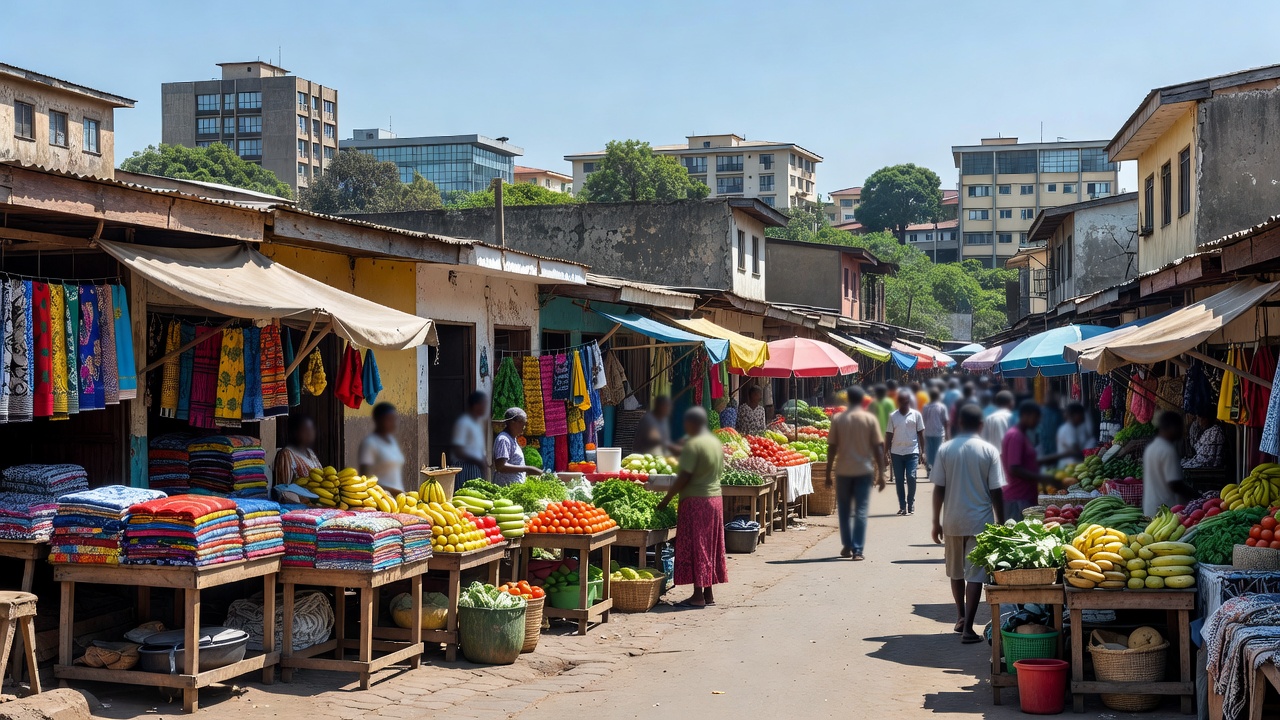
This announcement on September 6 follows President William Ruto’s directive two days earlier for a crackdown on foreigners running small businesses, with enforcement set to begin the next day. Ruto told micro, small and medium enterprise representatives at State House that such operations should be reserved for Kenyan traders while the government continued to welcome larger legitimate foreign investments. The president’s order has drawn support from local business groups facing what they describe as unfair competition in sectors ranging from hawking to small retail shops.
An Aga Khan University professor told Al Jazeera that the move would help shield Kenyan small businesses by prioritising investors who inject capital and generate employment rather than those competing directly in petty trade. Hesbon Hansen Owilla argued that small-scale foreign traders often utilise Kenya’s infrastructure and services without delivering proportional economic benefits. The academic added that the policy aligned with broader efforts to promote job creation for locals amid ongoing challenges in the labour market.
Kenya National Bureau of Statistics figures from the 2025 Economic Survey place employment in the wholesale and retail trade sector at 278,800 in 2024, accounting for 49.7 percent of overall employment even as the sector’s contribution to gross domestic product slipped to 7.5 percent. A Kenya Institute for Public Policy Research and Analysis assessment linked the slowdown in job growth within wholesale and retail to reduced output from agriculture and manufacturing supply chains. These trends have intensified pressure on local traders, contributing to calls for tighter regulation of foreign participation in the informal economy.
Kinyanjui stated that foreigners found contravening applicable visa provisions would have their visas revoked in accordance with the law, while those seeking to engage in employment or commerce must secure the necessary immigration approvals from the Directorate of Immigration Services. The ministry’s statement emphasised that Kenya remained open to legitimate foreign investors who adhere to regulations and support economic growth, employment creation and national development. This position reflects a balance the government has sought since introducing expanded visa-free access for African visitors in January 2024 to boost tourism and investment inflows.
Business Registration Service officials have previously reported that up to 80 percent of local small enterprises in areas such as clearing and freight have collapsed under competitive pressures from unauthorised foreign operators, according to industry submissions to parliament. Such data has informed the current enforcement push, which extends to ensuring compliance across East African Community immigration frameworks. Local trader associations welcomed the measures, citing measurable losses in market share and revenue over recent years.