ع
ع


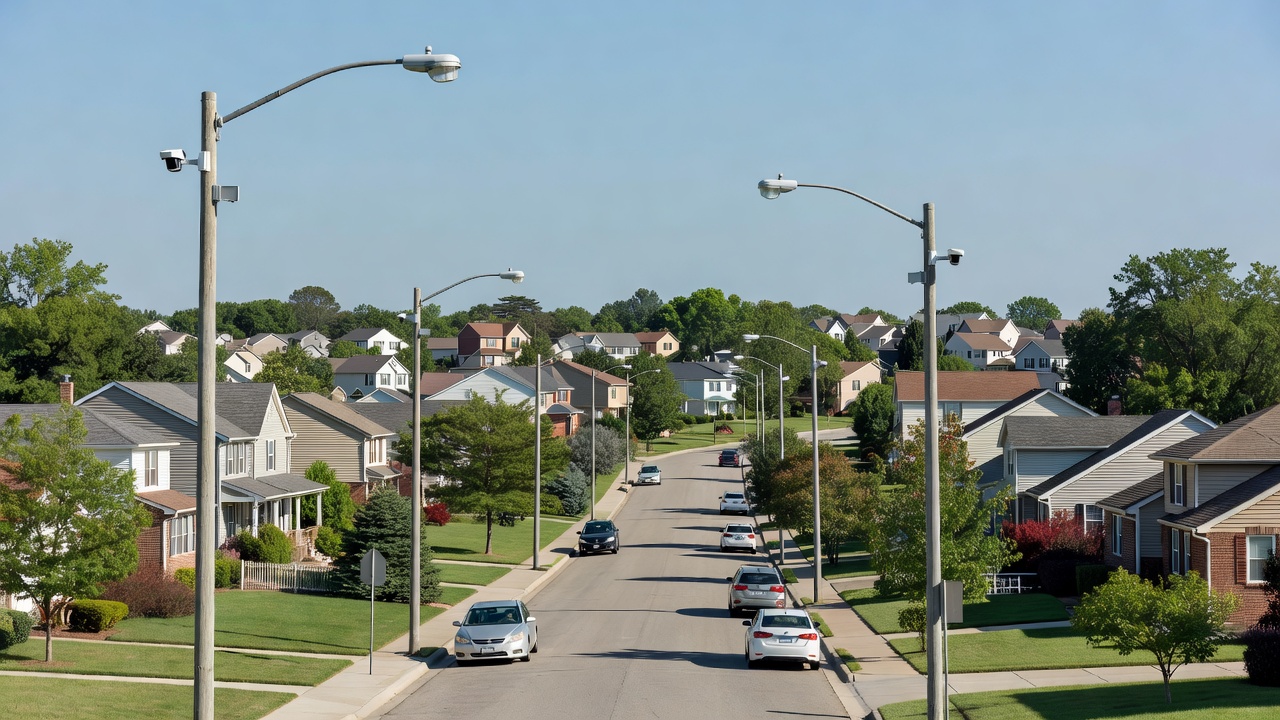
Flock Safety has deployed more than 120,000 AI-powered license plate recognition cameras across the United States, creating a vast network that scans approximately 20 billion plates monthly. Those devices equate to an average of 800 scans per vehicle annually based on Federal Highway Administration vehicle registration figures, a New York Times investigation published in August 2026 found.
More than 50 municipalities have canceled Flock contracts in recent years amid privacy concerns, with 82 terminations recorded across 28 states from 2021 through May 2026. The American Civil Liberties Union has spearheaded opposition through its Get the Flock Out campaign, arguing the technology enables indiscriminate mass surveillance. In San Francisco, audits uncovered hundreds of improper data queries by federal and out-of-state agencies, a June 2026 TechTimes article detailed.
U.S. Senator Josh Hawley launched a formal inquiry in August 2026 into Flock’s collection and dissemination of surveillance data, highlighting that the overwhelming majority of captured records involve law-abiding citizens. “In a few short years, Flock has assembled an unprecedented national surveillance network,” Hawley stated in his announcement. Reports have documented instances of police misusing the system to stalk individuals and erroneous alerts resulting in wrongful detentions, with one California department recording a 71 percent error rate in alerts according to information provided to the Senate subcommittee.
Flock Safety maintains that its platform contributed to approximately one million arrests in the previous year, with police chiefs praising its effectiveness. In Boulder, Colorado, city officials credited 31 cameras with reducing motor vehicle theft by 34.5 percent. The company has emphasized that new partnerships continue to outpace cancellations, with nearly 800 cities approving contracts in 2026 alone.
Privacy advocates and residents in multiple communities have responded by mapping camera locations through DeFlock.org, which has identified over 131,000 automated license plate readers nationwide. Protests in locations such as Troy, New York, have featured public meetings where officials faced criticism for deploying the devices without sufficient transparency, a Rolling Stone feature from late August 2026 reported. Security vulnerabilities, including cameras found exposed on the open internet, have compounded worries about data protection as independent researchers reported in late 2025.
Legislative efforts are underway in several states to restrict data sharing with federal agencies, including Colorado’s passage of a law requiring warrants for such transfers. The company paused certain federal data access features following criticism but continues to expand its footprint in local law enforcement applications, according to multiple accounts from mid-2026.