ع
ع


Nepal’s National Disaster Risk Reduction and Management Authority reported 165 deaths in the country with three more confirmed on the Tibetan side as of August 27 while nearly 1,400 people remained missing across the affected region. The toll included 826 unaccounted for in Nepal and 558 in China’s Gyirong County according to police and Chinese state broadcaster CCTV. Among those missing were more than 700 foreigners many of them tourists or pilgrims Reuters reported with the figures expected to fluctuate as search efforts continued.
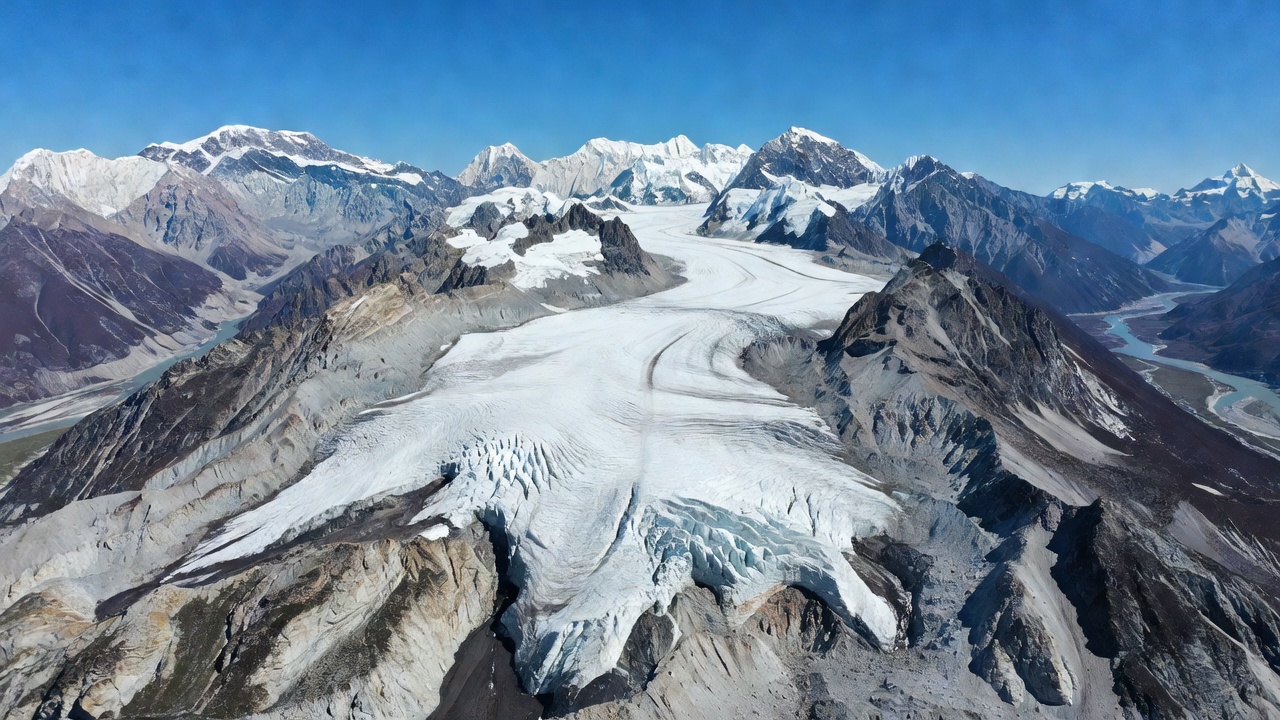
A substantial section of a glacier at roughly 5,200 metres broke away plunging 1,200 metres to the valley floor and triggering an ice-rock avalanche that struck the Lhende River about 20 kilometres northeast of the Nepal-China border crossing an analysis of Planet Labs satellite imagery by Nepali officials found. The U.S. Geological Survey initially recorded the event as a magnitude 4.4 earthquake but later clarified that additional seismic data and imagery showed it was instead a glacial collapse and debris flow with no actual quake occurring. Glaciologist Simon Cook at the University of Dundee told the BBC that permafrost partially holding some mountainsides together is warming and thawing and degrading so you are going to get more landslides in the region.
The surge of mud rock and water raced downstream along the Bhote Koshi Trishuli and Narayani rivers sweeping away villages buildings vehicles and infrastructure in Nepal’s Rasuwa and Nuwakot districts according to video evidence reviewed by Al Jazeera. Nepal government statements placed the destruction at more than two dozen bridges and approximately 40 kilometres of key roads with several hydropower projects also damaged or destroyed. The floods disrupted 430 megawatts of electricity supply or over 12 percent of national hydropower capacity a Reuters calculation based on energy ministry data showed.
Nepal’s Tourism Board placed at least 178 Indian nationals among the missing in the country many of whom were on pilgrimage to the sacred Mount Kailash site in Tibet according to an Associated Press dispatch. Other foreign nationals reported unaccounted for included roughly 65 Americans 53 Ukrainians 51 Malaysians 34 Australians 33 from the United Kingdom and 24 Canadians with smaller numbers from additional countries varying tallies from officials and embassies indicated. Chinese authorities said 260 of those missing in Tibet were foreigners though they released no further breakdown of nationalities.
President Xi Jinping called for an all-out search and rescue effort along with stronger monitoring and early warning systems to prevent secondary disasters Xinhua news agency reported. Nepal’s prime minister described the nation as shocked and distressed while pledging coordination with China India’s Narendra Modi offered all possible humanitarian assistance and the United Nations said its teams were mobilizing supplies and personnel according to statements from those governments and the world body. The United States separately committed $500,000 for emergency shelter water sanitation and relief items.
Researchers in Kathmandu found earlier this year that glaciers across the Hindu Kush Himalaya are melting faster with ice loss rates doubling since 2000 an assessment cited by the Associated Press noted heightening the risk of such events. The International Centre for Integrated Mountain Development has tracked similar vulnerabilities in the rapidly warming region where experts warn of increasing landslides and potential barrier lake outbursts. Officials continued to caution residents along the affected rivers while helicopters and ground teams pressed ahead with rescues as of August 27 according to updates from Nepal’s disaster authority.