ع
ع


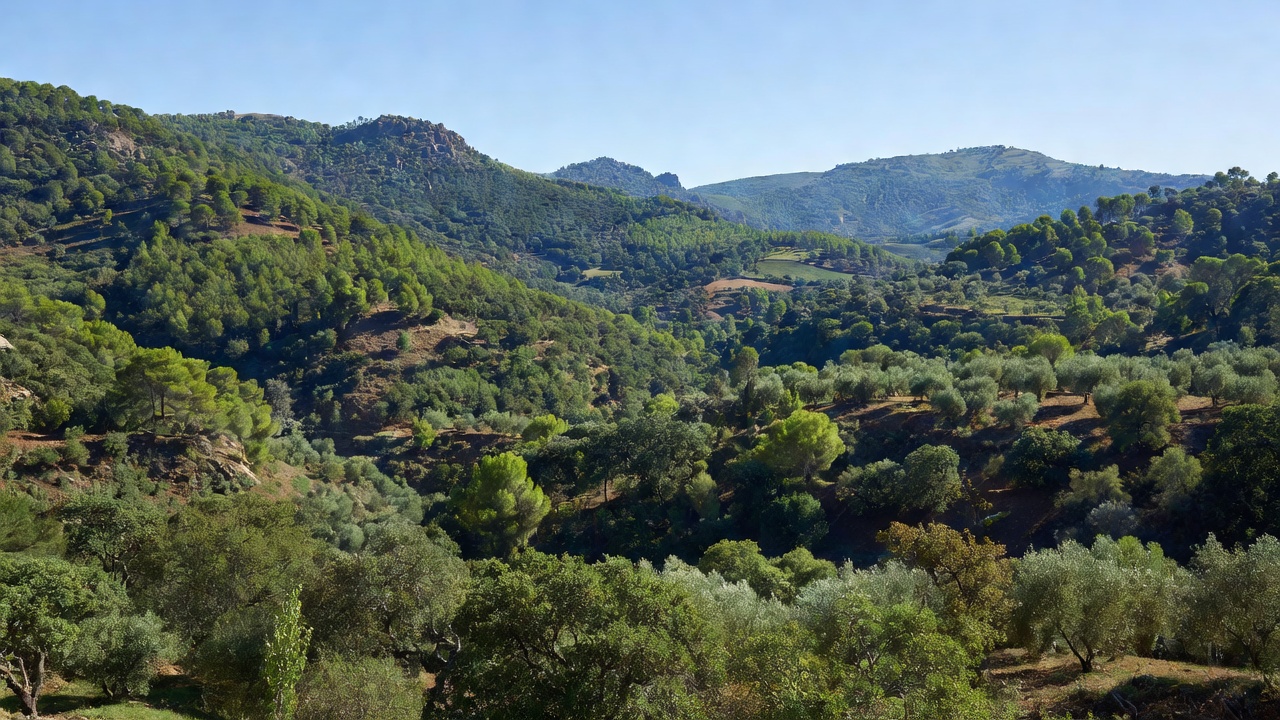
Interior Minister Said Sayoud reported that at least 12 people died in wildfires that struck northern Algeria on August 26 with the fatalities spread across three provinces. The minister who traveled to Bejaia alongside Health Minister Mohamed Seddik Ait Messaoudene to evaluate firefighting and evacuation operations added that 54 people suffered burn injuries including six in intensive care. Sayoud provided the update after visiting a hospital in Souk El Tenine where victims received treatment for burns and smoke inhalation according to accounts from Reuters and Al Jazeera.
Algeria’s civil protection services recorded 154 wildfires across the country that day Reuters reported with 36 fires breaking out in Bejaia province alone of which 18 were brought under control. Firefighting teams continued to battle 69 active blazes in multiple areas including 18 hotspots that remained in Bejaia and several in Jijel the agency detailed in its latest tallies. Operations had succeeded in containing fires in provinces such as Skikda El Tarf Bouira and Tebessa according to the minister’s briefing carried by regional outlets.
The deaths occurred as an exceptional heatwave gripped North Africa with particularly severe conditions affecting both Algeria and Tunisia multiple news services including France 24 noted. Authorities evacuated numerous families from homes in Bejaia and Jijel as flames approached residential zones the civil protection agency stated. Local broadcaster footage showed residents taking shelter in public buildings such as a post office while thick smoke filled the air around them.
This incident follows a pattern of intense summer wildfires in the country. Bejaia province suffered devastating fires three years earlier that claimed 30 lives according to historical records from Algerian authorities. At least six people died in similar blazes during July 2026 when crews responded to more than 2 000 fires across the nation government figures compiled by the interior ministry show.
A World Meteorological Organization assessment found that North Africa has warmed at a rate of 0.43 degrees Celsius per decade between 1991 and 2025 marking the fastest such increase among African subregions. The body linked the trend to more frequent and severe extreme heat events that have fueled greater wildfire risks in forested northern areas. Algerian officials have acknowledged that climate factors combined with dry conditions have worsened the annual fire season in recent years.
Sayoud said “Five deaths were recorded in the prefecture of Jijel four in that of Bejaia and three in that of Tizi Ouzou.” The minister’s televised comments emphasized ongoing efforts to support affected communities and manage the emergency response across the 16 provinces impacted. Updated civil protection data placed the majority of active fires in eastern regions where teams worked to prevent further spread into populated or agricultural zones.