

 ع
ع


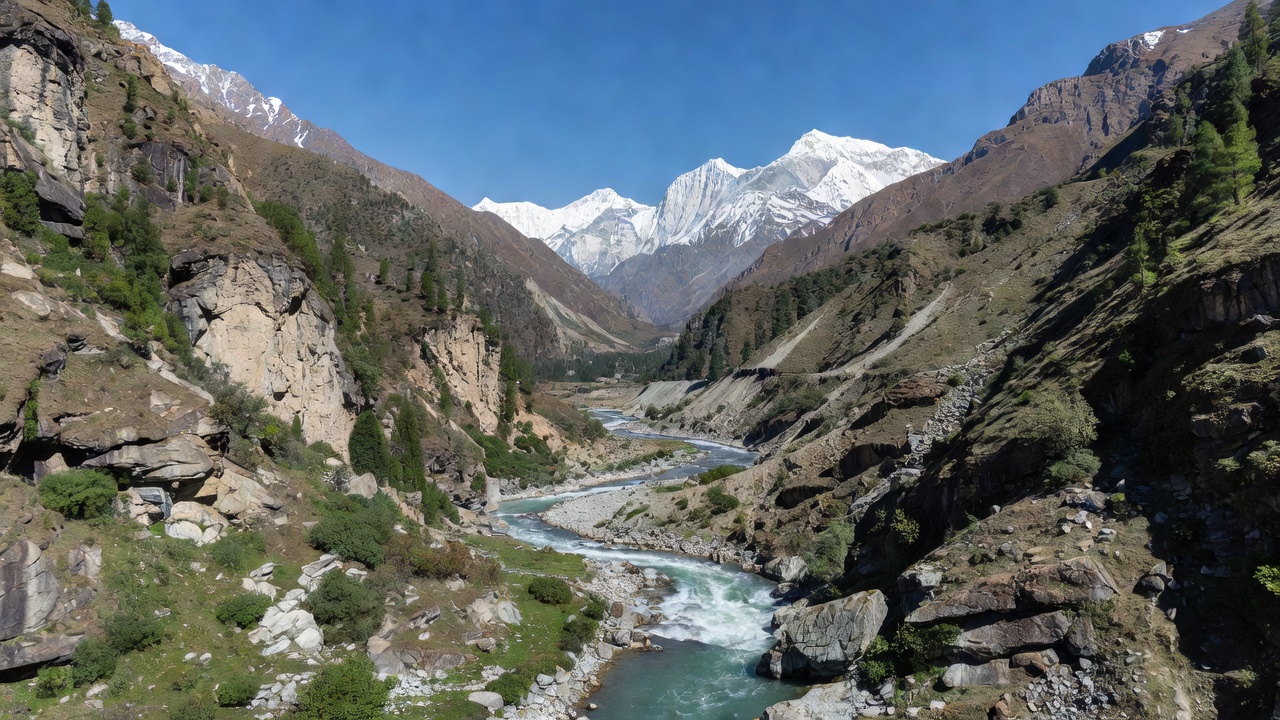
A flash flood triggered by excessive snow melt from the Tibetan side surged down the Bhote Koshi river on August 26, sweeping away villages, roads, bridges and project sites in Nepal’s Rasuwa district. The BBC reported at least 17 people killed in the disaster while Nepali officials warned that the toll could rise substantially with searches continuing. District administrator Narendra Pariyar told Reuters that reports indicated villages and infrastructure had been washed away though precise casualty and damage estimates were not yet available.
Nepal police spokesman Abi Narayan Kafle said eight bodies had been recovered so far with operations ongoing to locate others in the mountainous terrain. The flood affected the communities of Syapru Besi and Timure in Rasuwa, home to around 50,000 people, where waters rose well above normal levels according to Reuters. Videos from the scene showed powerful currents carrying debris through populated areas and prompted authorities to issue alerts for residents living downstream.
Nepal’s energy ministry stated that the floods damaged production, transmission and distribution facilities, disrupting 430 megawatts of electricity supply. Reuters calculations based on the ministry’s figures showed the losses represented more than 12 percent of the country’s total hydropower capacity of 3.2 gigawatts. Several hydroelectric projects along the river system sustained heavy damage, compounding existing strains on the national power grid.
Prime Minister Balendra Shah announced that medical teams, scouts, the Red Cross and security forces had been dispatched to support rescue and relief work in the affected zone. “Instructions have been given … to move the people living in the lower areas to safer places,” Shah said in a public statement. Helicopters deployed for the mission could not land in the hardest-hit locations due to sustained high water levels, officials told multiple outlets including Reuters and CNN.
The Nepal Tourism Board reported 384 travelers including 291 foreign nationals as missing from the disaster zone with nationalities encompassing India, Australia, the United Kingdom and Malaysia. Separate tallies indicated 105 Indians were among those unaccounted for according to the board’s preliminary data shared with local media. In addition the BBC reported that 13 armed police officers remained missing while a Chinese businessman lost contact with seven trucks operating in the border area.
Across the frontier in Tibet’s Gyirong county, Chinese state media Xinhua reported major casualties and missing persons after a mudslide struck a key land crossing and port facility. President Xi Jinping directed an all-out search and rescue operation while calling for improved monitoring and early warning systems to prevent secondary disasters, Xinhua added. The incident severed roads, communications and power supplies in the Shigatse region, mirroring disruptions on the Nepali side.
Comparable flooding in the same Himalayan region last year resulted in 18 deaths according to Nepali authorities. Climate experts at the International Centre for Integrated Mountain Development attributed the latest event to an avalanche of ice and rock from a glacier that fed into the river system. Officials extended high alerts to downstream districts and neighboring Indian states such as Bihar as waters continued to flow through the Trishuli and Gandak river systems.