ع
ع


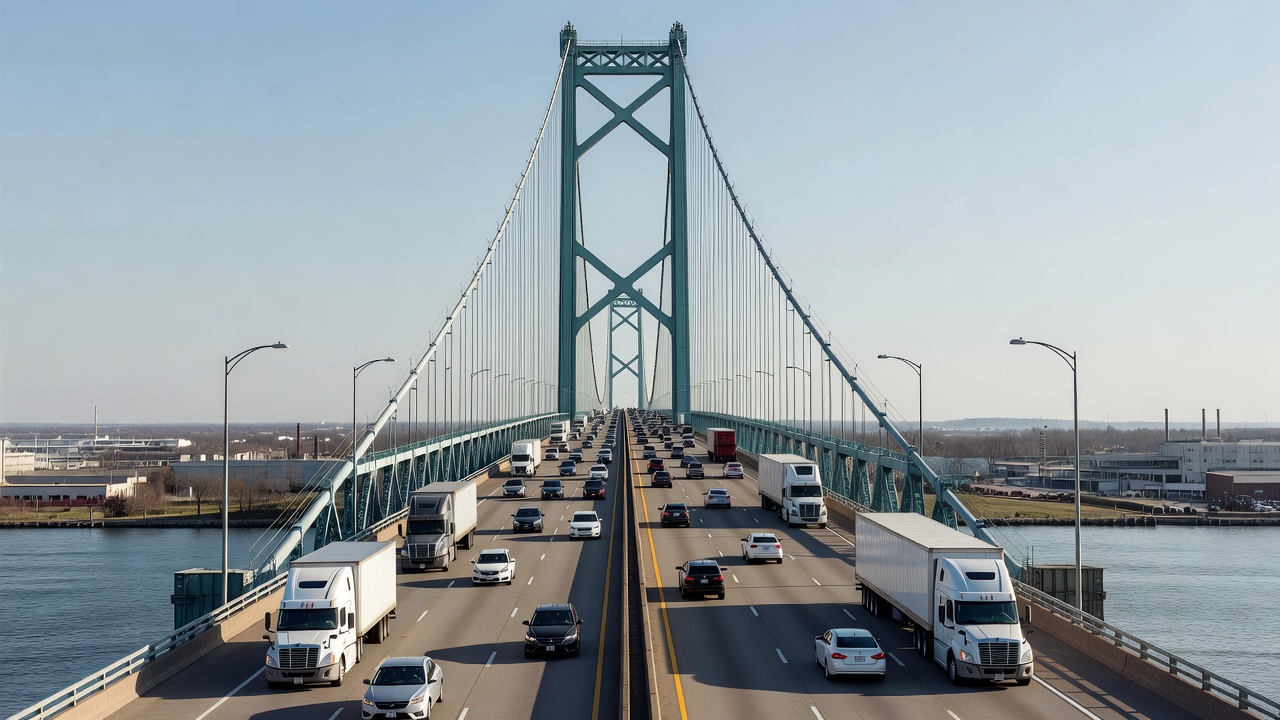
The announcement, posted on Truth Social, came after trade talks broke down late last week with both sides blaming the other for introducing unacceptable last-minute conditions, according to the US Trade Representative Jamieson Greer. Greer said Canada “wanted more” during the negotiations that had shown some optimism earlier in the week. Canadian authorities have called a news conference for Tuesday to outline their response measures and support for impacted industries.
Prime Minister Mark Carney described the tariff threat as unsurprising. He accused President Trump of wanting to destroy Canada’s auto industry while stating that Canada is prepared to resume discussions if the US comes with the right attitude. In response to earlier US measures, Canada has vowed to apply reciprocal tariffs on American products dollar for dollar beginning September 8, Al Jazeera reported.
Ontario Premier Doug Ford took a blunt tone toward the US president, suggesting Canada charge higher prices for exports of oil, gas, electricity and critical minerals. Trump responded by calling the premier’s statements bluster and warning that the consequences for Canada will be far worse unless officials fall in line. The public back-and-forth has added a personal edge to the dispute over trade terms.
The latest threat builds upon tariffs the US began imposing in March 2025 on steel, aluminum and automotive goods from Canada, a move that initially spared most trade under USMCA rules but has since expanded. As of last year, more than 85 percent of cross-border commerce remained duty-free due to the agreement, according to trade assessments. However, failure to extend the pact beyond its current terms has heightened uncertainty for businesses on both sides.
An Oxford Economics assessment found the risk of the USMCA unraveling has increased substantially, with the potential to plunge the Canadian economy into recession. Canada provides 60 percent of US crude oil imports and almost all of the country’s natural gas imports from abroad, according to energy trade figures. NBC News data places the total value of Canadian goods imported by the US at more than 380 billion dollars annually.
The highly integrated auto sector means the higher tariffs would also affect US manufacturers that rely on Canadian parts and assembly, CNN Business reported. Industry representatives have expressed alarm over potential cost increases and supply disruptions that could follow the January implementation. One small business owner in Oregon cited in reports warned that prices for certain products could rise by as much as 50 percent overnight.
Canadian officials have sought to mitigate the fallout by announcing C$11 billion in funding for the construction of six icebreakers at a Quebec shipyard to support northern shipping routes and domestic industry. The move comes as part of broader efforts to diversify and strengthen key sectors amid the trade tensions. Prime Minister Carney’s government has emphasized that all retaliatory actions will be calibrated to match US measures precisely.