ع
ع


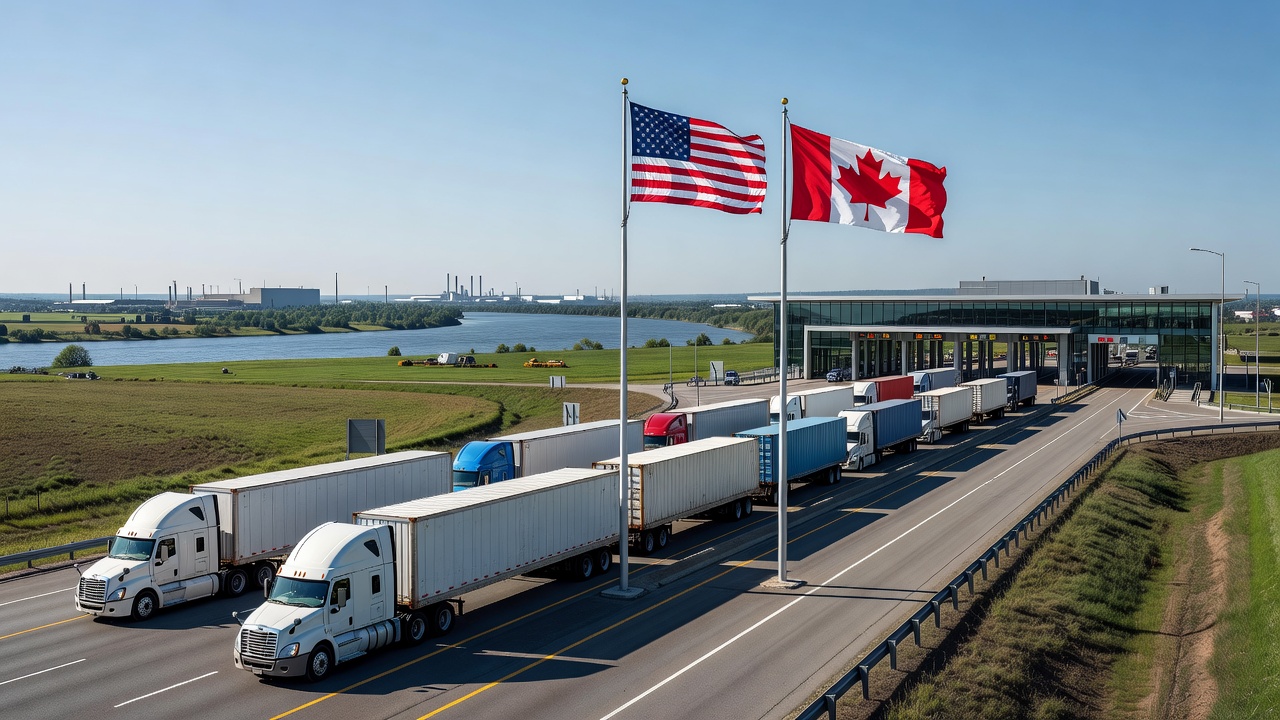
President Donald Trump announced a three-day pause on 50 percent tariffs that had been scheduled to hit Canadian goods worth around 30 billion dollars, stating that the United States and Canada had reached a deal subject to final documentation, according to his Truth Social post and a accompanying White House statement. Prime Minister Mark Carney reported substantial progress while cautioning that important work remained, adding on X that negotiators were moving toward an agreement securing the best terms for Canada’s strategic sectors and greater certainty in the trading relationship. U.S. Trade Representative Jamieson Greer described officials as very happy with the latest round of talks and said the pact would eliminate some irritants, protect American workers and strengthen the North American economy.
Greer, speaking after the third meeting in as many days on August 19, told reporters he would soon brief Congress and stakeholders on specifics, a Reuters dispatch indicated. The discussions followed Trump’s earlier threat of fresh duties, which he delayed after phone conversations with Carney, the New York Times reported. Canadian officials including Dominic LeBlanc have camped in Washington for more than a week to hammer out the text.
According to sources familiar with the negotiations cited by Reuters, the emerging framework envisions American reductions on tariffs for Canadian-built cars, trucks, steel and aluminum while Canada considers adjustments to dairy quotas for U.S. cheese and removal of provincial bans on American alcohol sales. Saskatchewan Premier Scott Moe said bilateral talks continued with an eye toward lowering existing sectoral tariffs, while Nova Scotia Premier Tim Houston noted that easing alcohol barriers had been a persistent American concern. LeBlanc assured that Canada’s dairy supply management program would remain entirely intact.
Economists had projected that full imposition of the threatened tariffs would reduce Canadian real GDP growth by 0.3 to 0.6 percentage points over the next year, according to an assessment by TD Economics. RBC Economics separately estimated the measures could affect roughly 20 percent of production and jobs in vulnerable manufacturing sub-sectors such as apparel, electrical equipment and textiles. A successful deal that returns closer to USMCA tariff-free terms would avert those drags on growth and supply chains, Canadian Manufacturers & Exporters president Dennis Darby said he was optimistic about achieving.
The current talks build on a backdrop of trade frictions that escalated in 2025 when the United States cited border security and trade imbalances to justify duties, prompting Canadian retaliation on billions of dollars of U.S. products, a March 2026 Congressional Research Service report documented. Some of those earlier tariffs were later suspended following court rulings or negotiations, yet disputes over autos, lumber, dairy and metals lingered into 2026. Both sides have expressed desire to resolve those irritants through the latest agreement.
Carney briefed his cabinet and provincial leaders on August 19 before further discussions, his office said, emphasizing the goal of maximum U.S. market access for Canadian businesses. Trump separately told reporters the arrangement would be welcomed by American farmers and manufacturers because Canada had agreed to eliminate certain tariffs on their exports. Al Jazeera reported that the president characterized the overall package as very fair.