ع
ع


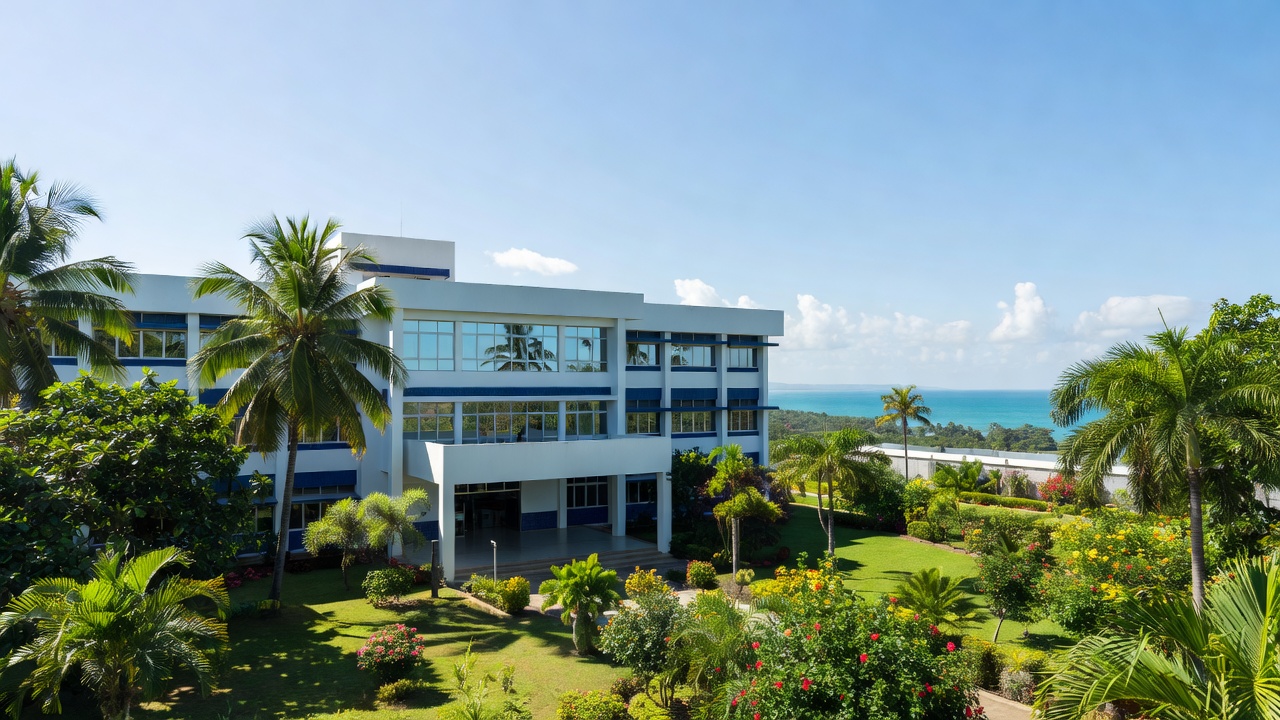
Dr Prahalahan Balakrishnan led the operation at Trincomalee General Hospital where the patient had been receiving treatment following his stroke. Balakrishnan told BBC Sinhala that the stone weighed 3.1 kilograms, measured roughly 17 centimetres across and had probably been developing in the man’s bladder for five to 10 years. The urologist added that the patient was in very good health after the procedure even as he continued care for his other medical conditions. Medical staff discovered the obstruction while addressing the man’s difficulty urinating.
Guinness World Records figures show the previous largest bladder stone weighed 1.9 kilograms and measured 17.9 centimetres long when it was removed from a 62-year-old man in Brazil in August 2003. A case report published in the Cureus journal in 2022 described successful extraction of a 600-gram giant bladder stone from a 53-year-old patient through open surgery. Another account in a Peruvian medical journal detailed a 2.15-kilogram stone removed from a 32-year-old man, illustrating that such giant calculi surface infrequently across different regions.
A 2024 study of urinary stone chemical compositions in Northern Sri Lanka published via the National Institutes of Health found that metabolic disorders featured prominently among urolithiasis patients in the area. The assessment examined stone types and linked them to dietary and environmental factors common in parts of the country where overall prevalence of urinary stones ranges between 8 and 13 percent according to regional health data. Bladder stones form when minerals crystallise in urine, with those exceeding four centimetres or 100 grams classified as giant in urological literature.
The Trincomalee medical team noted that stones of this scale can block urine flow and lead to complications if left untreated. Balakrishnan explained that smaller stones often pass naturally but larger ones require surgical intervention to avoid infections or damage to the kidneys. The hospital director indicated in statements to local outlets that the case might qualify for official Guinness recognition although verification processes remain pending.
European Medical Journal clinicians recounted the natural progression of an untreated giant bladder stone in an 80-year-old Canadian man that expanded from 3.2 centimetres to six centimetres over several years before he ultimately declined further care. Such examples highlight the gradual accumulation typical of these formations when urinary stasis persists. Similar dynamics appear in South Asian contexts where access to routine urological screening varies across districts.
Post-operative recovery for the Sri Lankan patient has proceeded smoothly under continued observation at the eastern hospital. The case has drawn attention from national media including News First and Newswire which reported the dimensions as spanning 14 to 19 centimetres. Balakrishnan emphasised the value of prompt diagnosis in stroke patients who may present with overlapping urinary symptoms that mask underlying issues.