

 ع
ع


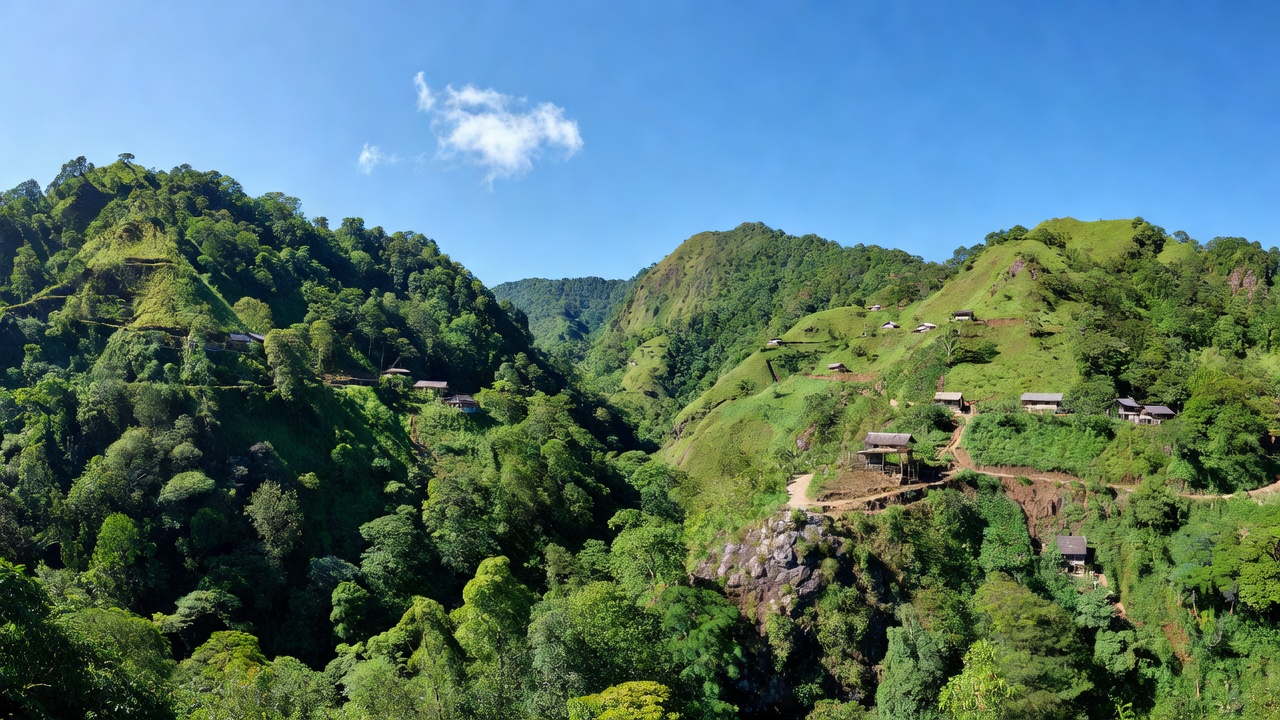
The National Disaster Management Agency raised the death toll from the earthquake to at least 53 with more than 100 others injured as rescue teams continued searching through collapsed buildings and landslide debris across six regencies on Flores Island. Around 5,000 residents have been displaced with over 1,300 homes damaged along with dozens of schools, health facilities and government offices, BNPB spokesman Berton Suar Pelita Panjaitan said. The US Geological Survey measured the shallow tremor at a depth of 10 to 15 kilometers with its epicenter 68 kilometers north-northwest of Ende at 5:58 a.m. local time.
More than 340 aftershocks have followed the main quake including several above magnitude 5, hampering relief efforts and keeping survivors away from their homes out of fear of further collapses, a France 24 dispatch from the scene reported. In hard-hit areas such as Nitung village in Sikka Regency hundreds of houses were severely damaged and residents remained cut off for nearly two days because of blocked roads, according to Sikka Deputy Police Chief Commissioner Marselus Yugo Amboro. Ruteng Regional General Hospital saw its operating rooms, delivery suites, pharmacy and laboratory rendered unusable after its roof collapsed, leaving staff without essential medical capacity.
Local media have highlighted aid shortages and fears of starvation as Indonesia reels from deadly earthquake with many survivors forced to higher ground where basic foodstuffs, clean water and shelter remain scarce. Public relations officer at Ruteng Regional General Hospital Rista Mari said, “We heard that medical assistance would be provided, but nothing has arrived yet.” Floresa Media editor-in-chief Herry Kabut added that residents had set up their own evacuation posts amid blackouts and roadblocks while many people had no idea where to go and were now starving.
The Indonesian government has dispatched 50,000 aid packages weighing 275 tons to the affected region and the International Federation of Red Cross and Red Crescent Societies has begun preparations to support around 2,000 people in temporary shelters, according to an Al Jazeera update. European Union chief Ursula von der Leyen offered access to the bloc’s Copernicus Earth observation satellites to assist mapping and response coordination while survivors urgently called for tents, medicines, blankets and generators. A resident of Nangahale village identified as Umri told AFP, “We need food, drink, medicines, and diapers for the children.”
Restoring electricity, telecommunications and access to isolated communities isolated by landslides has emerged as the primary obstacle for relief teams working in East Nusa Tenggara province, a Guardian report on the emergency noted. BNPB officials have acknowledged budget constraints and limited supplies are complicating the rollout of assistance even as search operations continue for those still missing. Hundreds of aftershocks have added to the logistical strain with some villages remaining unreachable days after the initial event.
Indonesia sits along the Pacific Ring of Fire at the convergence of three major tectonic plates and according to a Centre for Excellence in Disaster Management and Humanitarian Assistance assessment the archipelago experiences an average of 20 earthquakes each day although most are too weak to feel. The August 15 event ranks among the country’s deadliest since the 2022 West Java quake that killed hundreds, BNPB historical records show. Officials continue to assess the full scale of damage while urging residents to remain vigilant for ongoing seismic activity in the region.