ع
ع


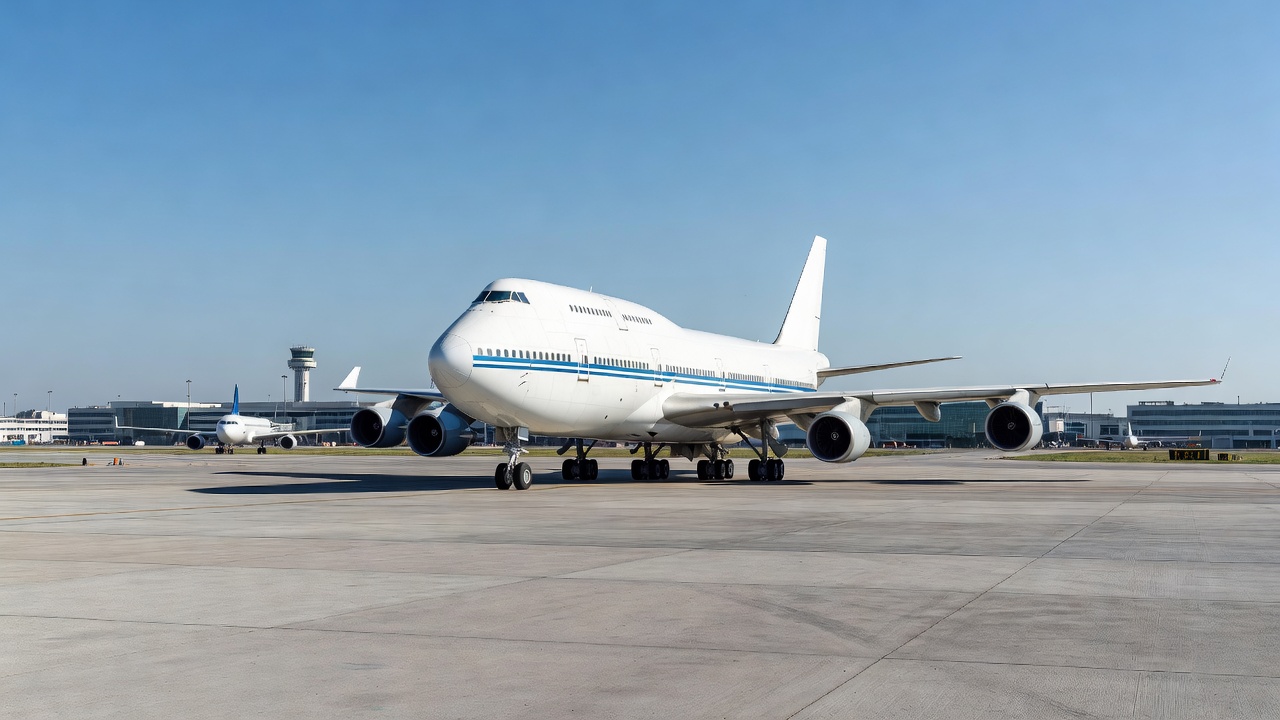
President Donald Trump secretly switched planes while departing Ankara after a NATO summit last month, using the presidential Boeing 747 as a decoy while he was transported in a catering truck to a smaller military aircraft, according to The Washington Post. The operation was prompted by what officials described as a credible Iranian assassination threat targeting both the president and Air Force One, with the maneuver kept hidden from accompanying journalists and some White House staff for hours. The New York Times reported that the threat involved Iranian proxy forces and emerged during the summit, leading the Secret Service to recommend the change because the new Qatari-donated jet lacked certain advanced defensive systems of the older model. This revelation emerged more than a month after the July trip, raising questions about the timing and disclosure of the security measures.
The plane swap took place days after US forces conducted renewed strikes on Iran at Trump’s direction, part of a conflict that escalated in February when joint American-Israeli operations killed Supreme Leader Ayatollah Ali Khamenei and dozens of top officials. A Reuters dispatch indicated the strikes were timed to coincide with a meeting Khamenei was holding with senior aides, including key figures from the Islamic Revolutionary Guard Corps. Iranian state media confirmed the 86-year-old leader’s death in an airstrike on his Tehran compound, prompting 40 days of national mourning and retaliatory actions that have claimed at least 940 Iranian lives and seven US service members to date, according to NBC News tallies. The broader campaign has included naval blockades and targeting of nuclear facilities that began in 2025.
Trump linked the Iranian leadership’s elimination directly to prior threats against him, telling ABC correspondent Jonathan Karl the day after the February strikes, “I got him before he got me. They tried twice. Well, I got him first.” Defense Secretary Pete Hegseth echoed that assessment in March, stating that an unnamed Iranian who led an assassination unit was among those killed in US strikes. The BBC reported that the White House has provided few details on the specific threat to the aircraft in Turkey, yet the episode fits into a pattern of Iranian retaliation that dates back to the 2020 US strike that killed IRGC commander Qasem Soleimani.
Iranian plots against Trump and other US officials have persisted for years, with the Biden administration warning Tehran in 2022 against targeting American citizens after a foiled plan involving former national security adviser John Bolton. In July 2024, authorities arrested Pakistani national Asif Merchant, who had ties to the IRGC and was plotting to assassinate Trump, while Afghan national Farhad Shakeri faced similar charges months later for an IRGC-directed scheme. Merchant was convicted in March 2026, though Shakeri remains at large, and those incidents coincided with a rally shooting in Butler, Pennsylvania, and an armed man’s arrest near Trump’s Florida golf course, though officials have not directly attributed those events to Iran.
New York Times correspondent Maggie Haberman, who has covered Trump extensively, described the cumulative effect on the president in remarks to the BBC, saying it was “a galvanising moment for him” where “all of that in his mind becomes one big blur.” She added that “for Trump himself, Iran and this feeling of being under threat is constant.” A White House official recounted to Semafor that Trump has mused about the dangers of the presidency, at one point observing, “Nobody told me how dangerous it is to be president, and if they had told me, I probably wouldn’t have run.” Trump himself posted on Truth Social in July that Iran had him at the top of its target list with “1,000 missiles locked and loaded.”
The elaborate ruse in Turkey, which involved closing window shades on the decoy jet at Secret Service direction, has drawn comparisons to past presidential travel in conflict zones but stands out for its level of secrecy from the press pool. Forbes noted that the switch followed the new jet’s debut as Air Force One on the outbound leg, with the White House initially citing a tour opportunity for service members at a UK base as the reason for the aircraft change. Government security experts cited by multiple outlets described such precautions as not unprecedented near active war zones, though the optics of the president hiding in a catering vehicle have fueled debate about public messaging during the conflict.
Iran has denied direct involvement in the specific assassination plots while continuing to issue threats, including murals and banners at Khamenei’s funeral that featured slogans such as “We will kill Trump” and “Blood for blood.” The war remains unresolved, with Trump warning of further responses if Iran acts on its declarations, according to his public statements. US officials continue to monitor potential retaliation as the conflict enters its second year since the initial 2025 escalation.