ع
ع


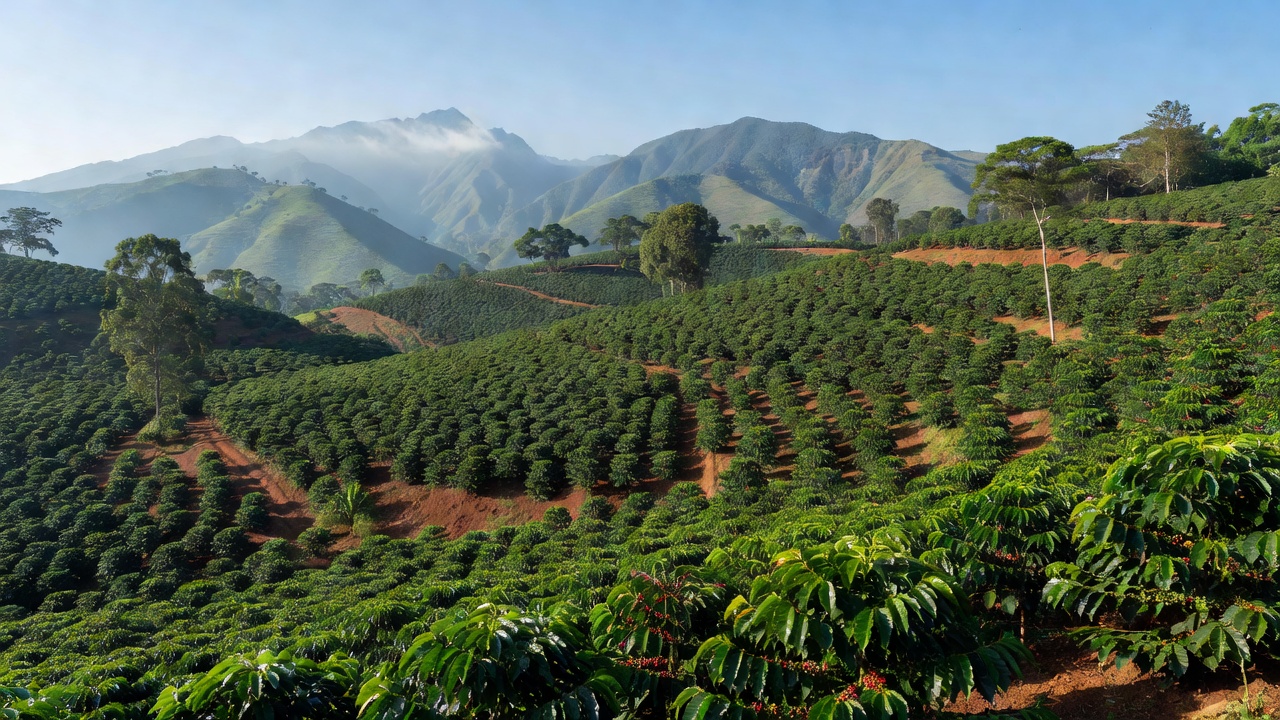
A 7.4-magnitude earthquake rocked western Colombia on August 10, with its epicenter located 5 kilometers east of San José del Palmar in the Chocó department at a depth of 107 kilometers, according to the U.S. Geological Survey. The Colombian Geological Service described the event as the strongest earthquake recorded in the country during the 21st century, and its tremors were felt across Colombia including in the capital Bogotá as well as in neighboring Ecuador. President Abelardo de la Espriella provided an updated toll that placed the number of deaths at 132 with 570 people injured, while local officials in affected areas reported dozens of buildings collapsed and more than 1,500 homes damaged. The president also noted that 61 structures had been completely destroyed and 18 health centers impacted, figures that a statement from the Colombian Association of Capital Cities corroborated in its own assessment of the destruction.
Emergency responders continued searching through rubble in several western provinces on Tuesday, where civilians have joined rescue operations amid ongoing aftershocks that numbered more than 20, the Geological Service reported. In the city of Cali, authorities said at least 188 people remained missing as crews worked to reach those potentially trapped under debris from fallen buildings. Chocó Governor Nubia Carolina Córdoba-Curi highlighted injuries and serious structural damage in the regional capital on social media, an alert that aligned with preliminary counts of 1,575 damaged homes released by the president’s office. The scale of the disaster prompted a nationwide declaration of emergency that has mobilized additional resources to the hardest-hit coffee-growing regions.
Infrastructure disruptions compounded the challenges, with several regional airports temporarily suspending operations for safety inspections while officials urged residents to avoid visibly damaged structures. The quake struck at 7:34 a.m. local time, catching many people at the start of their workday or school routines and leading to widespread evacuations across multiple departments. Bloomberg News reported that the Pacific region and central Andes sustained the heaviest losses, where toppled buildings buried victims and left families searching for loved ones in the aftermath. PBS News noted that initial local confirmations of 40 deaths in specific municipalities rose steadily as assessments expanded throughout the day.
Video footage distributed by BBC News under the title Watch: Family escapes home during Colombia earthquake captured one family’s narrow escape in the moments before their residence was rocked. Liliana Pérez Ocampo, a mother of four, described the initial confusion in remarks to the BBC World Service. “At first, we thought it was just a mild tremor like the ones that usually happen in Colombia, but when more than 30 seconds passed and everything was shaking harder, we realised it was an earthquake,” she said. Pérez Ocampo added that her two young children were at school during the event, yet the entire family remained safe, stating further that “In the end, material things can be replaced. The most important thing is life, and we have that.”
The seismic activity occurred along the Pacific Ring of Fire, a zone long recognized for frequent earthquakes that has shaped Colombia’s disaster preparedness policies over decades. Reuters reports indicated that the Colombian Geological Service has recorded multiple aftershocks since the main tremor, each contributing to additional structural stress on already weakened buildings. Al Jazeera coverage placed the confirmed death toll at 132 while noting that search efforts for survivors were intensifying in remote areas where access remained difficult. Comparable events earlier this century registered lower magnitudes, according to the same geological authority, underscoring the exceptional force of Monday’s quake.
International attention has focused on the human stories emerging from the destruction, including separate video clips showing individuals such as Maria Camila Guevara fleeing an apartment building as the ground shook violently. The Miami Herald detailed an earlier interim toll of 111 dead and 87 injured that authorities revised upward as more information arrived from outlying communities. Fox Weather confirmed fatalities across multiple municipalities in western Colombia, where damaged roads and bridges have slowed the delivery of humanitarian aid. Officials continue to update the public on recovery progress while emphasizing adherence to safety protocols in the face of possible further tremors.