

 ع
ع


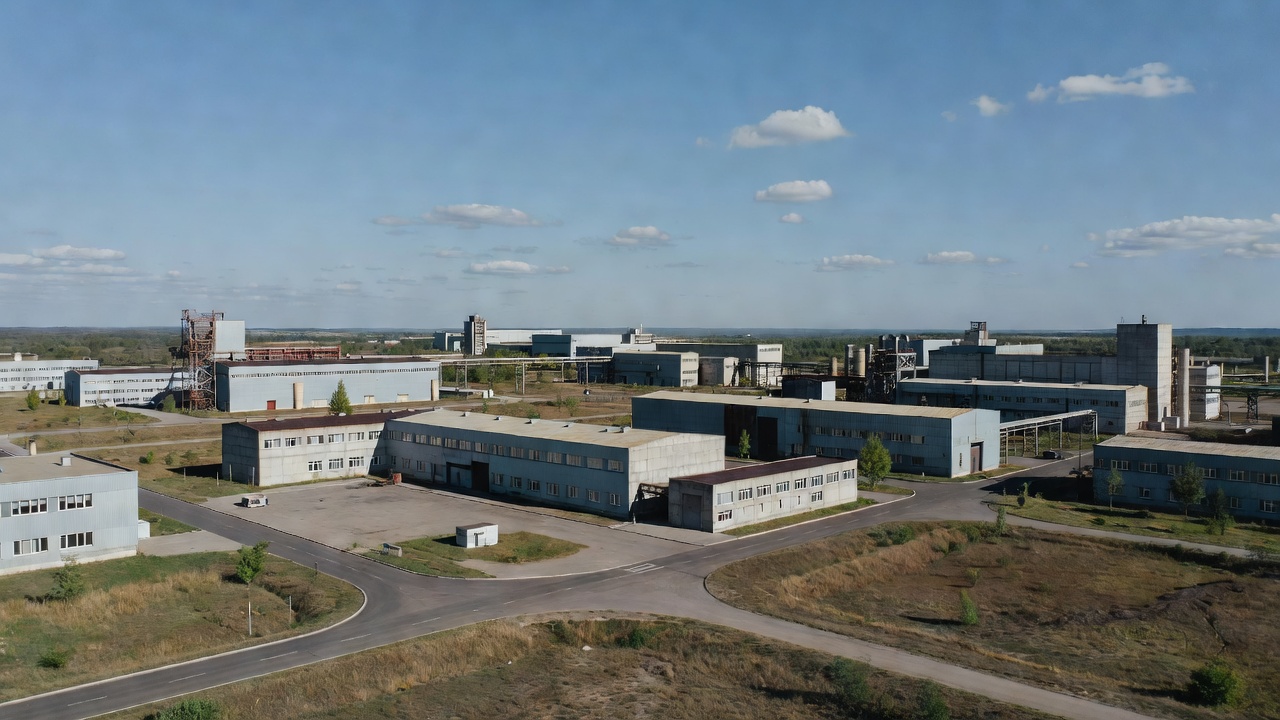
Zelensky made the accusation in a video address following Russian ballistic missile strikes on the Zaporizhzhia region that Ukrainian officials said targeted industrial facilities, infrastructure and non-residential buildings. Zaporizhzhia Regional Governor Ivan Fedorov reported that the assault left at least six people dead and 19 injured, with photos circulating of vehicles and structures engulfed in flames. According to the Ukrainian leader, the missiles came from North Korea, an assessment that aligns with debris analysis conducted in previous attacks. The strikes formed part of a broader overnight barrage that Ukrainian air force officials said included 120 drones and various missiles across multiple regions.
The Ukrainian president stated that Russia for the first time cannot wage war without reinforcements from North Korea. “The more North Korean strikes there are here in Ukraine, in Europe, the more their missiles and soldiers are used, the more they correct their shortcomings and blind spots,” Zelensky said, warning that this development poses a danger to the rest of the world. He also described a separate Ukrainian strike on a Russian petrochemical plant in western Siberia as a very significant achievement and pledged additional deep strikes to demonstrate to Russia that peace is necessary. The comments came one day after Ukrainian drone attacks on Tatarstan that Russian authorities said killed at least 13 people, including a child, and injured more than 75 others.
Zelensky had warned over the weekend that as many as 50,000 North Korean soldiers had been sent to support the Russian campaign. Ukrainian officials have repeatedly raised concerns about military cooperation between Moscow and Pyongyang since late 2023. A separate strike damaged a hospital in Kyiv where staff and patients sheltered during air raids, while power outages hit substations in Kherson and Kharkiv. Two women aged 52 and 66 sustained injuries in a Russian drone attack on Sumy, according to local authorities.
United Nations sanctions monitors reported in April 2024 that debris recovered from a missile that struck Kharkiv in January of that year derived from a North Korean Hwasong-11 series ballistic missile. A Reuters investigation published in 2025 detailed how Russia began using such North Korean weapons at the end of 2023, with the munitions carrying warheads up to one ton and providing Pyongyang with valuable test data from the battlefield. The United States and several allies issued a joint statement in January 2024 accusing Russia of violating U.N. sanctions through the acquisition and deployment of these missiles.
South Korean officials have described Ukraine as a testing ground for North Korean arms, with the ambassador to the United Nations noting in early 2024 that the transfers give Pyongyang critical technical and military insights. AP News reported at the time that U.S. intelligence had confirmed multiple barrages of North Korean-made missiles targeting Ukrainian positions around the new year period. The pattern of cooperation has expanded beyond munitions, with both Reuters and U.S. assessments pointing to North Korean troop deployments alongside Russian forces in subsequent months.
A separate incident saw explosions and fire hit a Wildberries logistics centre in Russia’s Voronezh region, an attack that the company said prompted facility evacuations though it stopped short of confirming the cause. Ukrainian officials have previously targeted such warehouses, viewing them as hubs supporting Russian military logistics. The latest developments underscore sustained Russian efforts to replenish missile stocks through external suppliers amid the ongoing conflict that began with the full-scale invasion in February 2022.