ع
ع


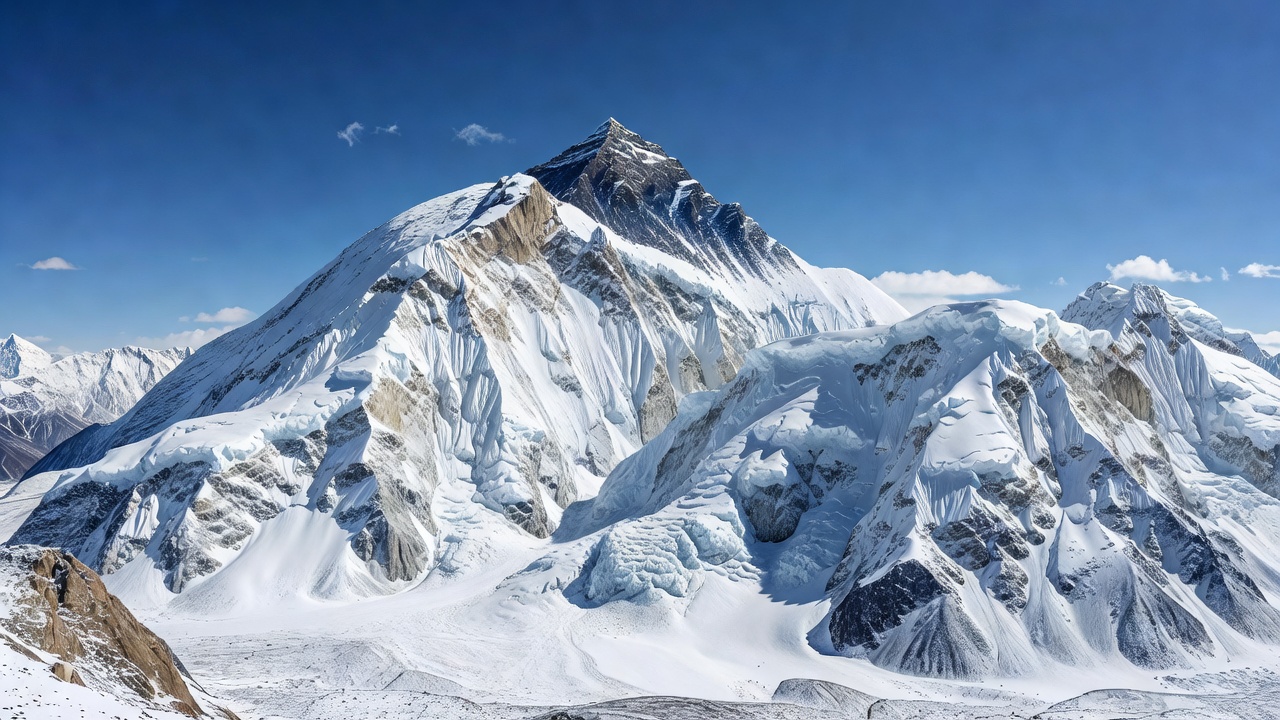
The Indo-Tibetan Border Police released a tender in June 2026 seeking bids from specialist agencies to recover the body of Lance Naik Dorje Morup, known to generations of mountaineers as Green Boots for the distinctive footwear he wore at the time of his death. The document, which The Guardian reviewed, sets a deadline of October 2026 for the completion of the Phase II retrieval operation on the Tibetan side of the mountain and estimates the mission will require a team of at least six to 12 high-altitude experts. According to the tender, DNA testing has already verified the identity, resolving long-standing uncertainty over whether the remains belonged to Morup or his teammate Tsewang Paljor.
Morup and two colleagues summited Everest on 10 May 1996 from the north ridge during an ITBP expedition that sought to mark the first Indian ascent via that route. A fierce blizzard engulfed the group on their descent, claiming the lives of Morup, Subedar Tsewang Smanla and Head Constable Tsewang Paljor in one of the deadliest seasons the mountain had seen up to that point. Accounts of the 1996 Indo-Tibetan Border Police expedition indicate the three had continued upward after others turned back, with radio contact confirming their position near the site where the body later appeared.
For years the prominent remains served as a navigational marker for climbers navigating the northeast ridge, tucked under an overhanging rock at approximately 8,500 metres in the death zone. Chinese authorities moved the body to a less visible location in 2014, according to multiple mountaineering accounts. The ITBP tender explicitly names Morup and calls for the remains to undergo further verification before transport to Delhi and eventual handover to his family in Ladakh.
Konchak Yangskit, Morup’s wife, told BBC News she had long clung to hope despite the passage of time. “On some days, before I went to sleep, I would think that there’d be a knock on the door tonight and that when I opened, he would be there,” she said. When the body returns she added she will ask him “Where were you all these years?” Their son Punchok Dorjai has expressed the family’s wish to accord his father martyr status with a funeral near Martyrs Park in Leh.
Retrieving a body from such altitude presents extraordinary difficulties, with the frozen form weighing several times its normal mass and the terrain featuring steep slopes, crevasses and extreme cold that can reach minus 40 degrees Celsius. A recovery effort typically costs between $40,000 and $80,000 even for less complicated cases, Outside Online reported, and the north side lacks the helicopter access available on the Nepali route. Precedents exist however including the 2007 removal of another prominent corpse known as Sleeping Beauty.
Himalayan Database figures show more than 340 people have died on Everest since records began with an estimated 200 bodies remaining on the slopes because recovery is often deemed too perilous. The database records five fatalities during the 2026 spring climbing season continuing a trend of lower death tolls in recent years compared with the 18 recorded in 2023. The 1996 disaster that killed Morup formed part of a broader tragedy that claimed eight lives across both sides of the mountain that month.