ع
ع


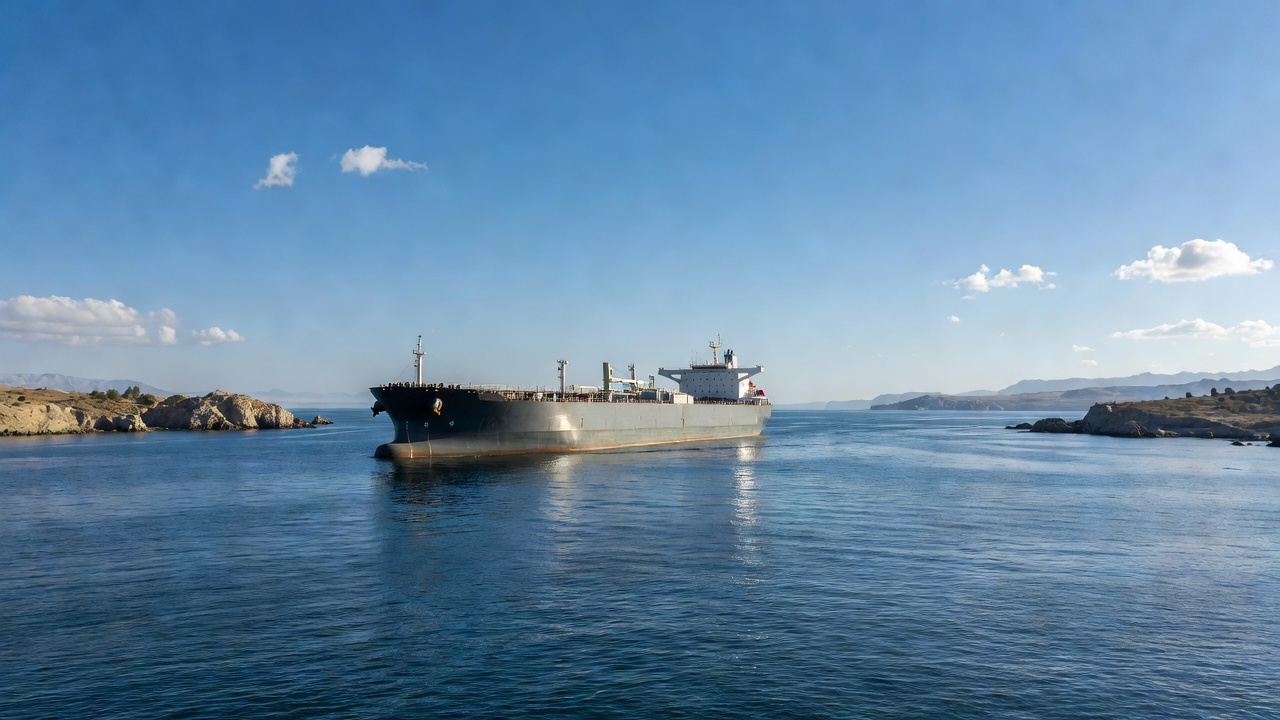
Oil prices fell sharply on August 4, 2026, reaching their lowest levels in three weeks as traders responded to indications from US officials that negotiations involving Iran and Oman might soon restore shipping through the Strait of Hormuz. Brent crude settled below 80 dollars per barrel while West Texas Intermediate traded under 76 dollars, reversing some of the gains accumulated since the onset of regional disruptions. The decline came after statements from Secretary of State Marco Rubio and Treasury Secretary Scott Bessent highlighted progress toward normalized maritime movement in the area, according to a BBC report on the developments.
The US Energy Information Administration data places average oil flows through the Strait of Hormuz at 20.9 million barrels per day in the first half of 2025, equivalent to about 20 percent of global petroleum liquids consumption. A subsequent EIA assessment found that volumes dropped nearly 30 percent in the first quarter of 2026 to 14.6 million barrels per day amid the conflict, with crude oil accounting for roughly three-quarters of the reduced traffic. The World Bank noted that the initial closure triggered the largest oil market disruption on record, cutting global supply by 10.1 million barrels per day in March and driving Brent prices up 65 percent that month.
Iran has blocked most tanker movements through the strait since the conflict erupted in late February 2026, while the United States imposed a naval blockade on Iranian ports and Yemen’s Houthis maintained a separate blockade on Saudi facilities in the Red Sea from July 20 onward. An Indian-flagged vessel sank near Yemen on August 4 after an attack, with all 14 crew members rescued, as threats to commercial shipping reached their highest point since the war began. The BBC reported that the route, which once carried one-fifth of the world’s oil and liquefied natural gas, became a dangerous alternative following blockages elsewhere in the region.
Secretary of State Marco Rubio said progress had been made in the talks and expressed hope that shipments could resume shortly, while Treasury Secretary Scott Bessent indicated a deal might be reached as soon as Tuesday or Wednesday to allow freedom of movement. Iranian officials told mediators they were not negotiating directly with the United States but described discussions with Oman over a new vessel mechanism as positive. Qatar has continued its mediation role without plans for direct US-Iran talks at this stage, the BBC stated.
Petrol prices in the United Kingdom held at an average of 1.60 pounds per litre, matching levels seen at the start of the conflict according to the RAC, while US gasoline exceeded 4 dollars per gallon and diesel reached about 5.40 dollars according to AAA data cited in the report. A Brookings Institution analysis from June 2026 placed American regular gasoline at 4.31 dollars per gallon and diesel at 5.35 dollars, reflecting sustained pressure from the supply shock. Major oil companies including BP, Shell, Chevron and Exxon have posted strong profits during the period of elevated prices even as they remain subject to geopolitical shifts.
Danni Hewson, head of financial analysis at AJ Bell, said investors remain acutely aware of the fragility of any agreements reached in the region. An EIA short-term energy outlook from July projected Brent crude averaging 74 dollars per barrel in the third quarter of 2026, down significantly from earlier peaks as inventory builds exert downward pressure. Two sources told CBS News that the United States had expended nearly all of its long-range precision missiles, a detail that adds to the context of President Trump’s decision to pursue talks rather than launch further strikes against Iran.