ع
ع


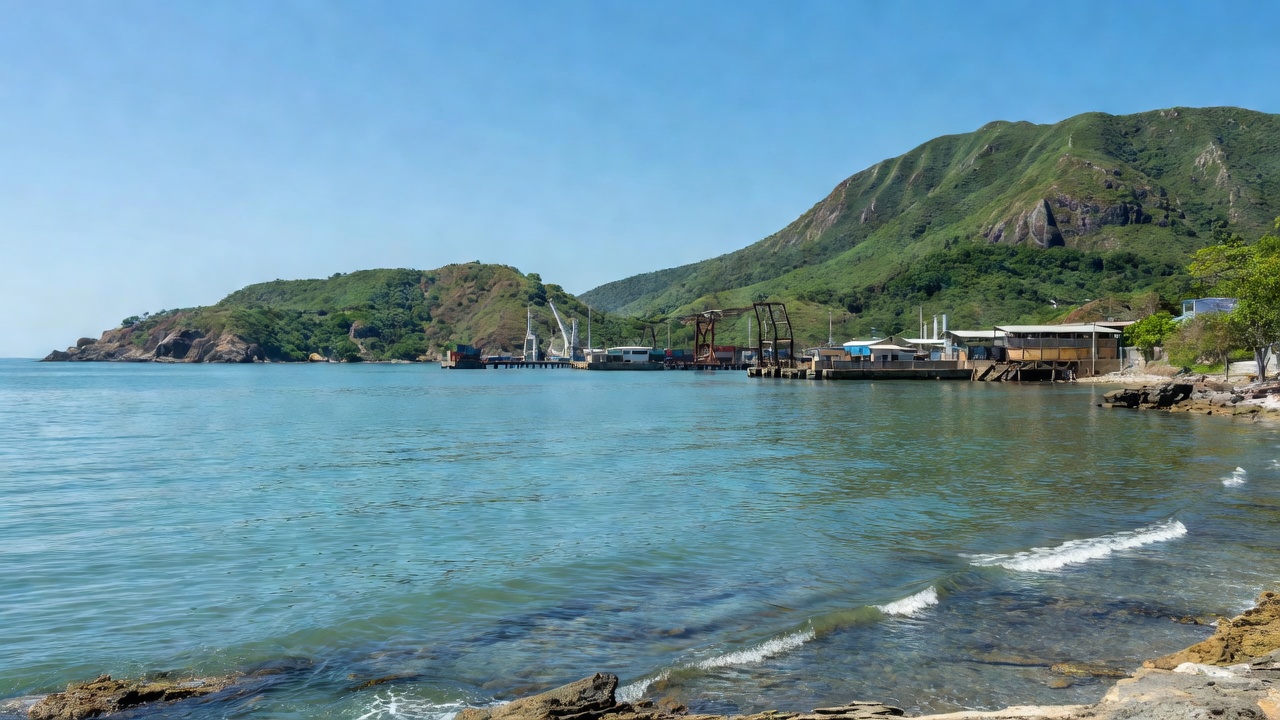
Families in Venezuela’s La Guaira state continue sifting through collapsed structures in search of relatives’ remains one month after twin earthquakes leveled much of the coastal area on June 24. BBC correspondent Will Grant returned to the region on July 24 and found residents relying on hand tools and manual labor long after organized rescue operations concluded. The scale of the destruction has left many grappling with the grim task of body recovery amid ongoing instability in the hardest-hit communities.
Government figures place the confirmed death toll above 5,300 while a United Nations assessment described an estimate of up to 50,000 missing as terrifyingly plausible. More than 16,700 people sustained injuries and nearly 18,000 families lost their homes in the disaster according to humanitarian tallies. These statistics reflect the earthquakes’ impact on an already strained infrastructure network across northwest Venezuela.
One resident told PBS NewsHour she discovered the bodies of her mother and brother locked in an embrace under piles of concrete. “We are the ones helping ourselves: our family. Nobody else helps us except for a few volunteers,” Yeikhary Urbina said in the report. Similar accounts have emerged as civilians describe spending days or weeks excavating sites where professional crews no longer operate.
Makeshift morgues established at the La Guaira port have processed a steady influx of remains leading to cases where identified bodies were subsequently misplaced according to the PBS NewsHour report. Some families identified loved ones only through tattoos clothing or dental records after decomposition advanced significantly in the summer heat. Firefighters cited in coverage noted that bodies in advanced decomposition sometimes fell apart during attempted recovery.
The United Nations has determined that 1.8 million people require humanitarian assistance in the aftermath including 680,000 children UNICEF data shows. Tom Fletcher the UN Emergency Relief Coordinator called the damage to roads airports and buildings overwhelming in statements to UN News. Three UN field hospitals now operate in La Guaira as part of the broader response.
The World Food Programme has positioned supplies sufficient for 10,000 families over two months according to its representative Stephanie Hochstetter. OCHA coordinated efforts from 27 countries involving more than 2,200 rescuers and 140 search dogs in the initial phase UN News reported. Acting President Delcy Rodríguez announced a reconstruction initiative named Venezuela Reborn while rejecting criticism of the government’s preparedness in a televised address.