ع
ع


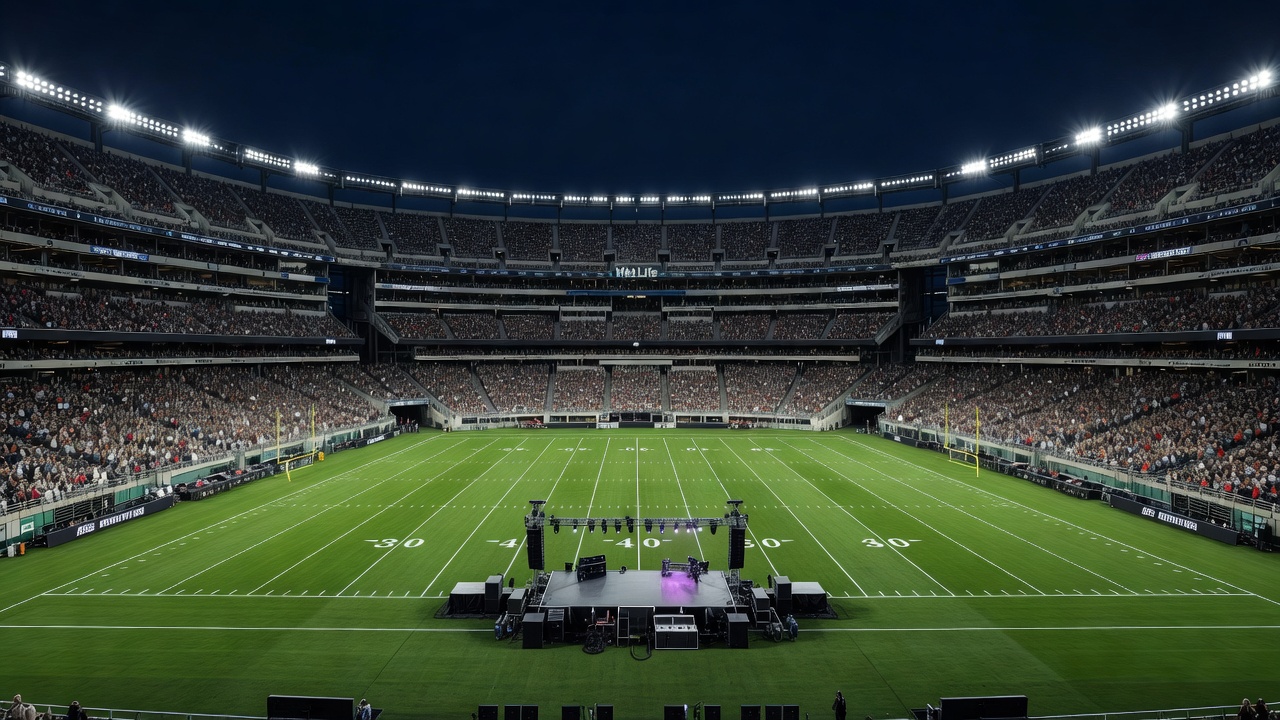
FIFA has organised a performance curated by Coldplay’s Chris Martin that will also include Nigerian artist Burna Boy for the final at MetLife Stadium in New Jersey, according to the governing body’s statement. The event has been described by FIFA as a landmark celebration at the intersection of sport, music and global impact. No fees will be paid to the performers but the show is expected to generate funds for an education initiative, FIFA said in its announcement. Both the BBC and ITV plan to air the full show with punditry covering the time needed for stage setup and removal.
The half-time interval will run up to 25 minutes, exceeding the 15-minute maximum set by the International Football Association Board under Law 7 of the game. FIFA secured a one-off exemption from IFAB for this match after the board rejected a similar 2021 request from CONMEBOL over player welfare concerns, a Times of India report stated. IFAB guidelines specify that any alteration to the half-time length requires referee approval and competition rules must define the duration in advance. Extended inactivity has raised questions about increased muscle injury risk when play resumes, according to IFAB assessments.
Last year’s Club World Cup final at the same venue featured a 24-minute half-time show with Coldplay, J Balvin, Doja Cat and Tems, FIFA records from that event show. James Massing of Live Nation, who produced both performances, told the BBC that fan expectations at major sporting events have risen and music helps make a final feel like a final. He has also contributed to Super Bowl half-time productions, which NFL archives confirm have included musical acts since 1967.
Massing told the BBC that the sports industry competes with other live experiences such as theatre and cinema, requiring innovation to maintain engagement. The Killers performed ahead of the UEFA Champions League final between Arsenal and Paris Saint-Germain in May, creating a noticeable energy peak in the stadium, he added in the interview. UEFA introduced musical performances at the Champions League final a decade ago while the British Grand Prix added music to its schedule three years ago, according to event organisers.
British football content creator Ellis Platten told the BBC he does not support the half-time show or associated hydration breaks, which have been used to broadcast advertisements on some networks. Platten, who has attended multiple matches across the tournament, expressed concern that fans grow restless by the end of an extended break and that player welfare considerations, including potential substitutions, should take priority. Sports broadcaster Betty Glover, covering the tournament in the United States, told the BBC she remains uncertain whether football truly needs such entertainment despite efforts to grow the sport’s American audience.
The 2026 tournament has featured prominent celebrity involvement ranging from match ball delivery to on-screen camera appearances, FIFA updates show. International NFL games in Europe incorporated dedicated half-time shows across all fixtures in 2025, industry reports from the league indicated. Massing noted that as sports become more global there is a shift toward creating occasions and moments rather than单纯 focusing on the game itself, according to his comments to the BBC.
Glover told the BBC that if entertainment draws new fans without affecting the match integrity then it serves a positive purpose, though she could not envision similar shows at the next World Cup hosted by Spain, Portugal and Morocco. Platten said he is curious to observe the half-time show’s effect on the final itself given the participation of players such as Lionel Messi. The development has prompted discussion across football media on whether such productions will influence future major tournaments or even domestic competitions.