ع
ع


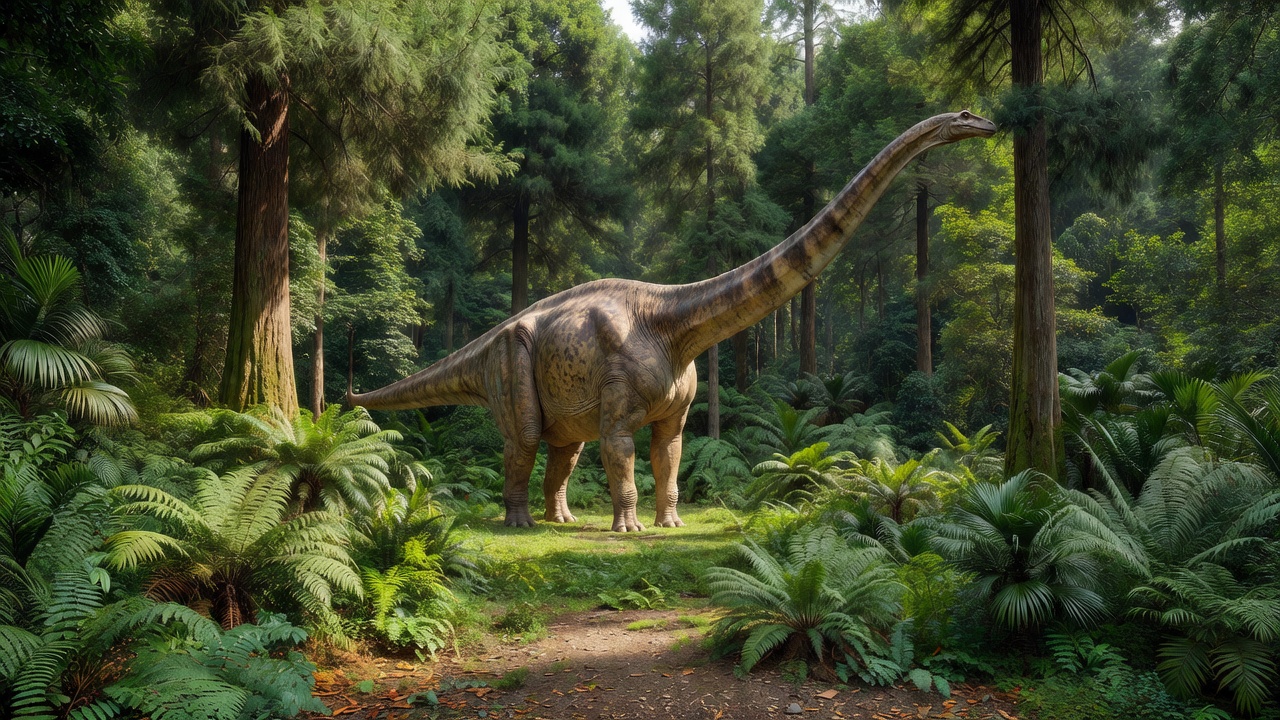
The discovery of Uragasaurus kalasinensis expands the documented range of the Mamenchisauridae family of sauropod dinosaurs, which were previously known almost exclusively from China, a Sci.News report on the paper indicated. Researchers recovered the key dorsal vertebra at Phu Noi in Kalasin province, a site first examined in 2008 after a resident found bone fragments resembling serpent scales. More than 90 percent of material excavated from the location consists of dinosaur fossils, according to records from prior digs maintained by Mahasarakham University scientists. The bone’s CT scan showed a Y-shaped lamina arrangement and an air-cavity system that set the specimen apart from all previously identified species.
Uragasaurus kalasinensis reached lengths of up to 20 metres, comparable to the length of a cricket pitch, and possessed an exceptionally elongated neck that would have allowed it to browse vegetation at different heights. The creature lived during the Late Jurassic between 150 and 145 million years ago in what paleontologists described as forested environments across mainland Southeast Asia. Scientists led by Apirat Nilpanaphan of Mahasarakham University published the formal description after determining that the unique vertebral features justified both a new genus and species name, derived from Sanskrit for serpent and the province of origin. This find marks Thailand’s 15th officially named dinosaur species, Khaosod English reported following the release.
The Phu Noi locality within the Phu Kradung Formation has produced several significant specimens, including Minimocursor phunoiensis recognised as the country’s 13th named dinosaur several years earlier, Thai PBS World noted in its coverage of regional paleontology. Thai researchers have steadily built a robust fossil record since the first dinosaur species was identified in 1986, with northeastern provinces such as Kalasin and Chaiyaphum proving especially productive. The latest addition demonstrates that isolated bones, when subjected to detailed imaging, can still yield substantial taxonomic insights, ScienceAlert observed in its summary of the methodology.
Nilpanaphan told interviewers the distinctive air-cavity structure was “unlike any other dinosaur in the world… That’s what sets it apart”. He recalled smashing his computer upon first realising the implications of the scan data, though he added that the moment left him feeling both exhilarated and relieved. The study team, which also included Sita Manitkoon, Varavudh Suteethorn and Komsorn Lauprasert, emphasised that the specimen represents the first formally named mamenchisaurid from Thai territory. Their work appears in Scientific Reports rather than a general news summary.
Only months earlier, in May 2026, scientists described Nagatitan chaiyaphumensis, a larger long-necked herbivore measuring 27 metres and weighing an estimated 27 tonnes that ranks as Southeast Asia’s largest known dinosaur to date, ABC News reported at the time of that announcement. Both finds underscore the diversity of gigantic sauropods that once inhabited the region before the Jurassic-Cretaceous boundary. Northeastern Thailand’s continuing yield of new species has positioned the country as a key area for understanding dinosaur distribution across Asia during the Late Jurassic, according to multiple paleontological assessments. The Uragasaurus vertebra now joins an inventory that continues to reshape views of prehistoric ecosystems in the area.