ع
ع


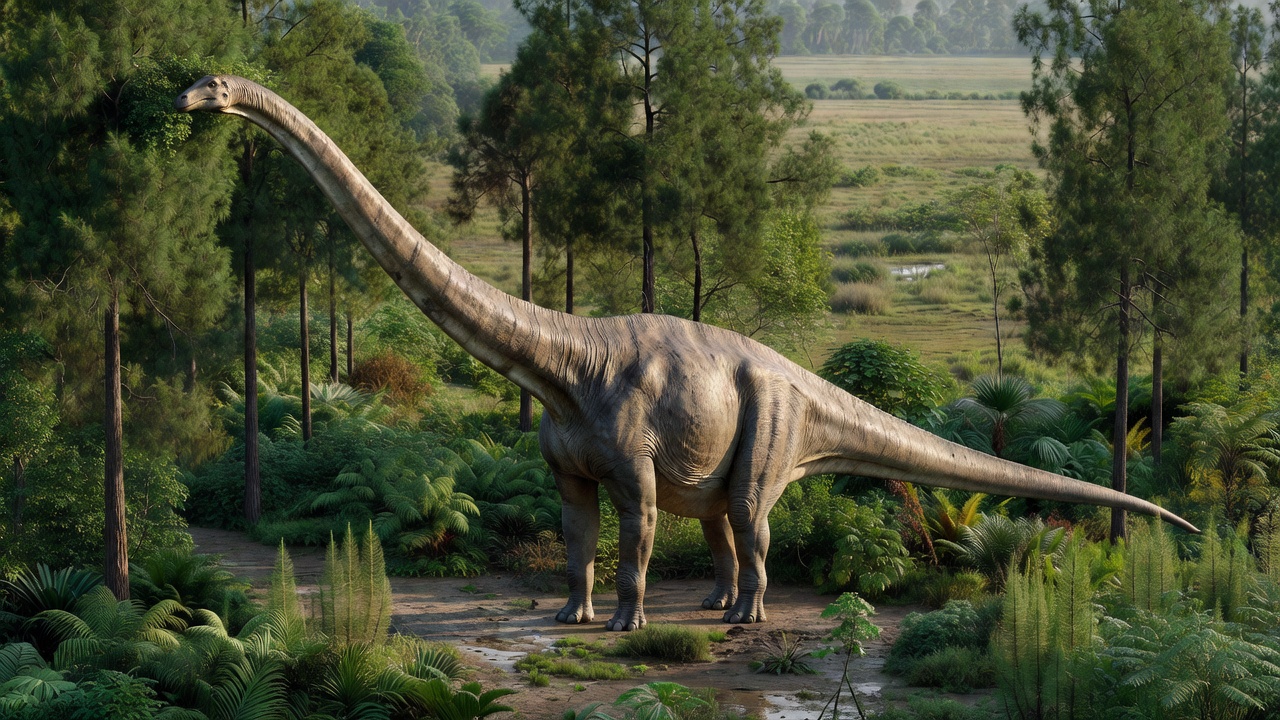
Palaeontologists have identified a new genus and species of dinosaur from a single well-preserved dorsal vertebra recovered at the Phu Noi locality in Kalasin Province, according to a study published this week in Scientific Reports. The specimen, named Uragasaurus kalasinensis, belongs to the Mamenchisauridae family of sauropods known for extremely elongated necks that allowed them to access vegetation at varying heights, the journal reported. Researchers estimated the plant-eating dinosaur reached lengths of up to 20 metres, comparable to the length of a cricket pitch, and lived during the Late Jurassic period roughly 150 million years ago. A computed tomography scan revealed distinctive internal features including a camellate pneumatic structure and a unique Y-shaped arrangement of laminae, characteristics that set the taxon apart from all others.
The fossil came from the Lower Phu Kradung Formation at a site first noted in 2008 after a local resident found bone fragments resembling serpent scales, ThaiPBS World reported. More than 90 percent of material excavated at Phu Noi consists of dinosaur fragments along with teeth and other bones, making the locality one of Southeast Asia’s most productive non-marine vertebrate fossil sites, according to The Straits Times. The discovery team from Mahasarakham University recovered the anterior dorsal vertebra that displayed a combination of traits not seen in previously described species. Phylogenetic analysis placed Uragasaurus kalasinensis as an early-diverging member of Mamenchisauridae, the Scientific Reports paper stated.
Most fossils assigned to this sauropod family have come from China, rendering the Thai specimen the first formally named mamenchisaurid from the country, a Nature portfolio journal assessment found. The find expands the known geographic range of the clade within Southeast Asia and supplies fresh data on faunal changes through the Upper Jurassic to Lower Cretaceous interval in the Phu Kradung Formation. It also reinforces an Upper Jurassic age assignment for the lower section of that geological unit, according to the study’s authors. The vertebra’s internal air-cavity architecture proved especially diagnostic.
Lead author Apirat Nilphanaphan from Mahasarakham University told BBC Thai the features, particularly the unique air-cavity structure, were unlike any other dinosaur in the world. That is what sets it apart, Nilphanaphan added after he realised the team had a new species. The researcher said he smashed his computer in a moment of exhilaration and relief once the distinction became clear, BBC Thai reported. The work builds on earlier surveys that documented a diverse array of Late Jurassic fossils at the same location.
Khaosod English reported that Uragasaurus kalasinensis represents Thailand’s 15th officially named dinosaur species and further highlights Kalasin Province as a key palaeontological region. The discovery arrives weeks after scientists revealed details of Nagatitan, another long-necked herbivore from Thailand that measured 27 metres and weighed 27 tonnes, equivalent to nine adult Asian elephants, according to earlier local media accounts. That specimen, also from northeastern deposits, held the record as Southeast Asia’s largest known dinosaur until the current description. Both finds underscore the scientific value of the area’s fossil-rich landscape, The Straits Times noted.
The Phu Kradung Formation continues to yield insights into sauropod diversity across the Jurassic-Cretaceous transition in a part of the world where such records remain comparatively sparse, a ScienceAlert review of the research indicated. Teams plan further excavation at Phu Noi to recover additional material that could clarify the new taxon’s full anatomy and ecological role. The single vertebra proved sufficient for formal diagnosis because of its exceptional preservation and diagnostic laminae configuration, Times of India coverage explained. Ongoing study of the formation may yet produce more evidence about the ecosystems that supported these giant herbivores.