ع
ع


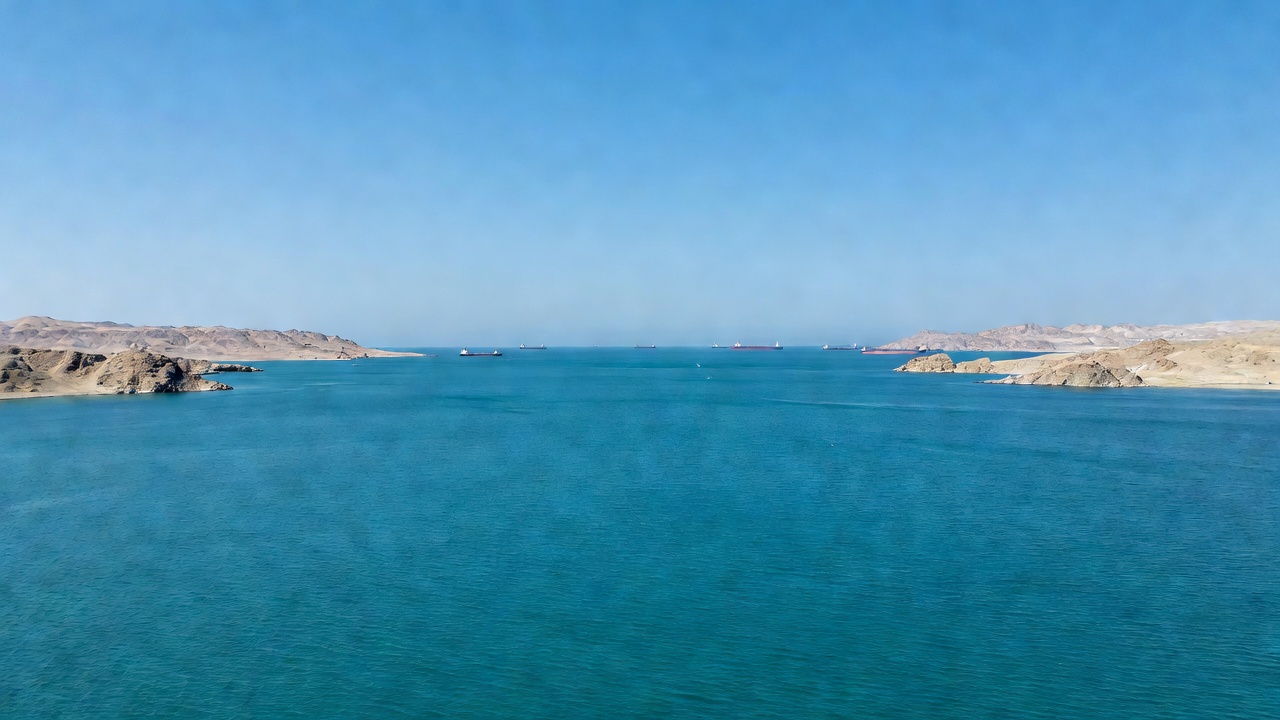
Senior US officials demanded that Iran issue a public statement affirming all channels of the Strait of Hormuz are open to shipping without tolls and that its forces will stop attacking vessels, according to Reuters. The message was conveyed through regional mediators ahead of talks scheduled for Saturday in Oman, where Vice President JD Vance, Secretary of State Marco Rubio, special envoy Steve Witkoff and Jared Kushner are expected to lead the US delegation. A separate Qatari delegation traveled to Iran on Friday for discussions aimed at reducing tensions in the waterway, Reuters reported.
No new attacks were reported Friday following strikes on three commercial ships earlier in the week along a US-recommended route in Omani waters, the BBC noted. President Donald Trump stated on Truth Social that Washington had agreed to continue talks at Iran’s request but declared in no uncertain terms that the ceasefire was over. Iran has insisted that only routes through its own waters are safe, a stance that contributed to the latest clashes after the two sides signed a June ceasefire.
Iranian representatives privately acknowledged to Trump’s advisers that the ship attacks were a mistake perpetrated by an errant group of hardliners seeking to sabotage the negotiations, senior US officials told CBS News. One official quoted by the network said the Iranians had responded that “We screwed up. We made a mistake. Let’s keep talking.” A separate US official told Reuters, “They’re either going to give us that statement or we’re not having a good outcome for them.”
Maritime data firm Kpler recorded just 23 tankers and cargo ships transiting the strait on Wednesday, down sharply from 47 a week earlier, while the Joint Maritime Information Center placed the pre-conflict daily average at 138 vessels. The decline follows a series of incidents that have curtailed traffic through the passage responsible for roughly one-fifth of global oil flows, according to analysts cited by the BBC. Lloyd’s List Intelligence documented at least 16 attacks on vessels in the broader region since March, several of which resulted in crew fatalities, the maritime intelligence provider reported.
The latest demands build on a 14-point memorandum of understanding agreed last month between the US and Iran that sought to extend the ceasefire and end conflict on all fronts, according to US officials who briefed reporters. The June accord requires Iran and Oman to negotiate future maritime administration of the strait involving other Gulf states, the BBC reported. Iran’s Fars news agency has stated that Tehran anticipates managing the waterway in coordination with Oman, potentially levying service fees on transiting ships.
US officials have pressed for the Iranian statement to explicitly or implicitly recognize that the recent attacks were an error while confirming toll-free access, Axios reported. The current tensions form part of a crisis that escalated earlier in 2026 with repeated maritime incidents, mine-laying reports and retaliatory military actions, a timeline compiled by Wikipedia from multiple sources shows. Negotiations continue even as ship traffic remains depressed and oil prices have risen in response to the instability.