ع
ع


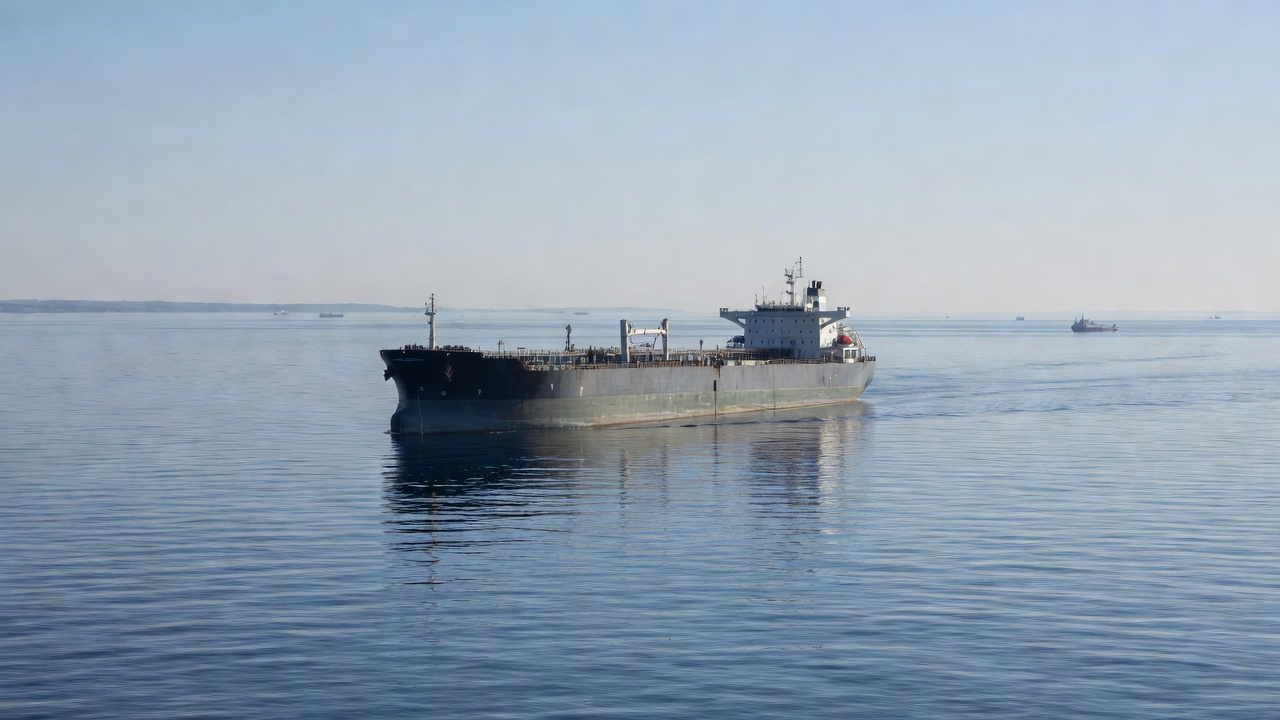
Ukraine’s Unmanned Systems Forces commander Robert Brovdi reported that long-range drones hit nine Russian shadow fleet tankers overnight on July 8 in the Sea of Azov, adding to strikes that have now targeted more than 20 vessels including tankers, a cargo ship and a ferry over the past 72 hours. Brovdi described the results as reaching industrial scale with the tankers badly damaged and on fire, noting that the shadow fleet appeared to be leaving the area. The operation forms part of what Ukrainian officials have framed as a logistics lockdown aimed at disrupting maritime supply routes to the occupied peninsula, where tankers had been shuttling fuel from Taganrog. Reuters reported that Ukrainian drones also struck three Russian oil refineries and pipeline pumping stations in the same wave of attacks ranging from the border to the Ural mountains.
Rostov region Governor Yury Slyusar stated that two empty tankers were attacked in Taganrog Bay on July 8 with two people wounded, though the vessels were still burning the following day. Ukrainian claims listed specific tankers among those damaged in the Sea of Azov and near Kerch, including vessels with deadweights around 7,000 metric tons each that had been transporting fuel toward Crimea. Brovdi’s updates on Telegram indicated the strikes continued a pattern seen earlier in the week when eight tankers were hit in one night. A separate naval drone attack targeted a sanctioned tanker near Yalta on the Black Sea coast of Crimea, according to footage released by Ukraine’s general staff.
The assaults coincide with continued Ukrainian strikes on Russian energy infrastructure that Reuters data shows have contributed to a domestic fuel crisis across the country. Russia has banned diesel exports and begun importing gasoline from Indian refiners as well as North Asian jet fuel to offset shortages that have led to queues at filling stations in major cities including Moscow and St Petersburg. A Reuters assessment found the attacks have disrupted daily life even in Russia’s grain belt where farmers face challenges harvesting crops due to fuel constraints. In occupied Crimea Russian-appointed authorities have reported parallel disruptions to power supplies and transport networks.
These maritime operations build on earlier Ukrainian efforts that a Naval News review traced to significant damage inflicted on Russia’s Black Sea Fleet between 2022 and 2024 forcing its relocation from Sevastopol to Novorossiysk. Mikhail Zvinchuk of the Rybar Telegram channel observed that the Black Sea Fleet had now largely shut itself in at Novorossiysk with limited ability to provide cover for commercial vessels. Pro-Russian military bloggers described the tankers as operating in a shooting gallery without adequate defence. John Hardie deputy director at the Institute for the Study of War told the Kyiv Independent that the strikes form part of Ukraine’s campaign to strangle Russian logistics including fuel supplies to Crimea.
Ukrainian President Volodymyr Zelensky has maintained that targeting oil facilities represents a measured response to Russian strikes allowing Russians to feel that it is their state that is waging war. Zelensky highlighted recent hits on oil depots in the Tver and Stavropol regions as well as an oil terminal in the Rostov region. Vladimir Putin estimated Crimea’s monthly fuel requirement at 70,000 tons in late June and pledged to increase deliveries by land and sea routes. The latest wave of attacks comes as U.S. President Donald Trump characterised the drone strategy as an escalation that could nevertheless help lead toward an end to the conflict during talks at a Nato summit.
Satellite imagery analysed after previous strikes on Kerch port showed a measurable reduction in the number of tankers loitering in the area according to BBC Verify. Nasa fire detection data aligned with Ukrainian claims of strikes beginning around July 6 with plumes of smoke visible in subsequent imagery. Ukrainian military releases listed vessels such as the Venera-3, Sanar-1 and Klimena among those hit in the Sea of Azov operations. The cumulative effect has placed additional pressure on Russia’s shadow fleet of sanctioned tankers that had been used to maintain supply lines despite international restrictions.