ع
ع


Saber Abu al-Kas told the BBC that his mother Amina Abu al-Kas suffered from an aggressive necrotising infection that spread to her skull with no available treatment inside Gaza. The family had hoped for approval to send her abroad for care yet waited without response until after her death. “Two weeks after her death I got a call” from the hospital that the paperwork was ready Saber Abu al-Kas stated adding that such approvals feel like a miracle during the current conditions. He noted that many who offered condolences remarked at least she is at peace now because a patient in Gaza faces circumstances different from anywhere else in the world.
The Gaza health ministry has reported that more than 1,000 patients including hundreds of children have died while waiting for medical evacuation since the ceasefire took effect in October 2025 according to data cited in UN OCHA updates and Medical Aid for Palestinians statements. An OCHA humanitarian situation report from February 2026 placed the number of patients still requiring urgent evacuation at more than 18,500 including 4,000 children with the World Health Organization having facilitated around 10,762 total evacuations including companions between October 2023 and January 2026. Save the Children estimates based on current rates that clearing the backlog could take over a year a figure drawn from the same UN assessments.
World Health Organization representative for the occupied Palestinian territory Dr Reinhilde Van de Weerdt explained that recipient countries often specify the types of patients they will accept such as only children or those needing short treatments. Patients and any companions must then obtain visas for the host country while clearing security checks by Israeli Egyptian or Jordanian authorities as well as the receiving nation. The WHO has described the entire sequence of approvals and transfers as something that feels like a miracle with the agency assisting in coordination through Israeli-controlled crossings.
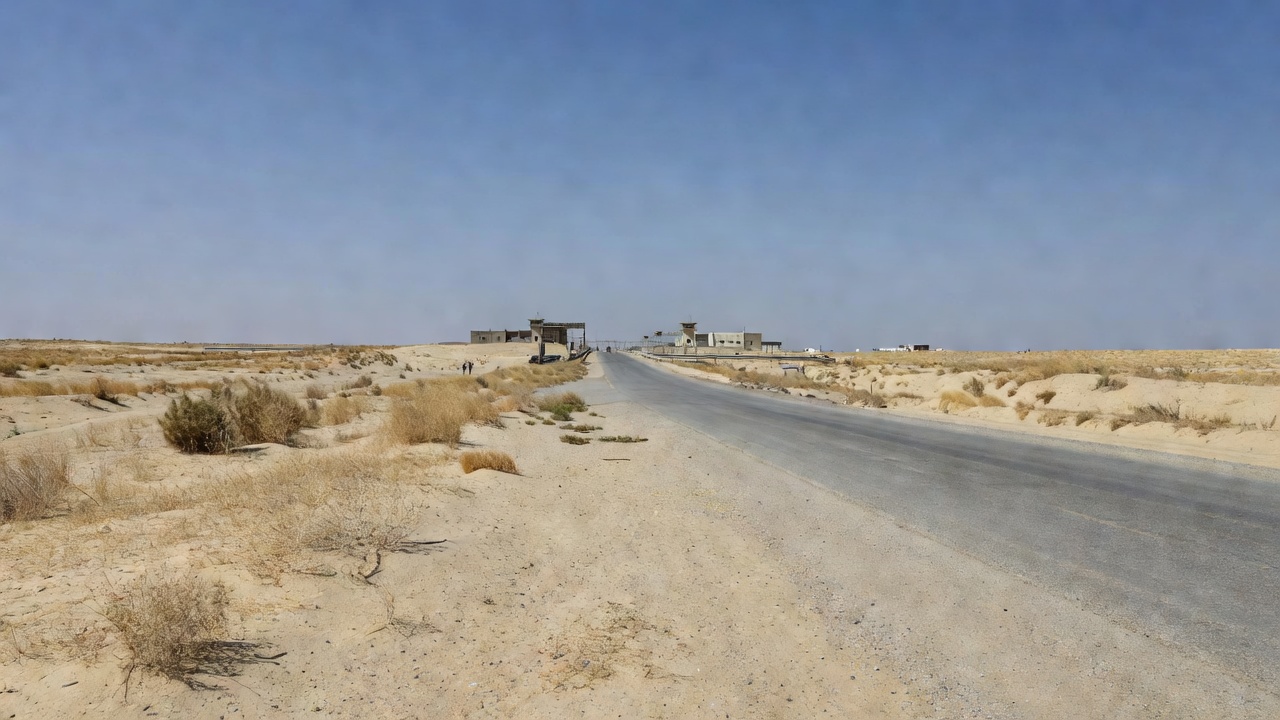
Gaza health ministry acting undersecretary Maher Shamia said in early June 2025 that primary causes of delays include lengthy Israeli security screenings and restrictions on the number of departures permitted each week. Medical evacuations are allowed via the Rafah crossing with Egypt on only three days per week and through Kerem Shalom with Israel on one day a week according to the ministry’s assessment. The ministry has maintained a fluctuating list of around 15,000 patients in need at various points with not all deaths fully recorded amid the constraints.
COGAT the Israeli defence ministry body responsible for civil affairs in Gaza has stated that the vast majority of medical evacuation requests submitted by countries and organisations have been approved since the start of 2025. The body noted that departures require an official request from a receiving country followed by completion of security screening with Israel having allowed more than 5,600 such evacuations for children and adults since 2024 per its own figures. COGAT has also reported that 17,000 tons of medicines and medical aid have entered Gaza since the ceasefire including items for cancer treatment and wheelchairs.
Pat Griffiths a spokesman for the International Committee of the Red Cross in Jerusalem said the fact that the medical evacuation list is thousands long signals that people in Gaza do not have access to care that should be available. Griffiths added that under international humanitarian law Israel as the occupying power has an obligation to allow such access with shortages ranging from basic consumables to advanced equipment contributing to preventable deaths. The ICRC assessment aligns with separate MSF reports that between July 2024 and August 2025 at least 740 patients including 137 children died while waiting for evacuation amid a health system where only 14 of 36 hospitals were partly functional as of October 2025.