ع
ع


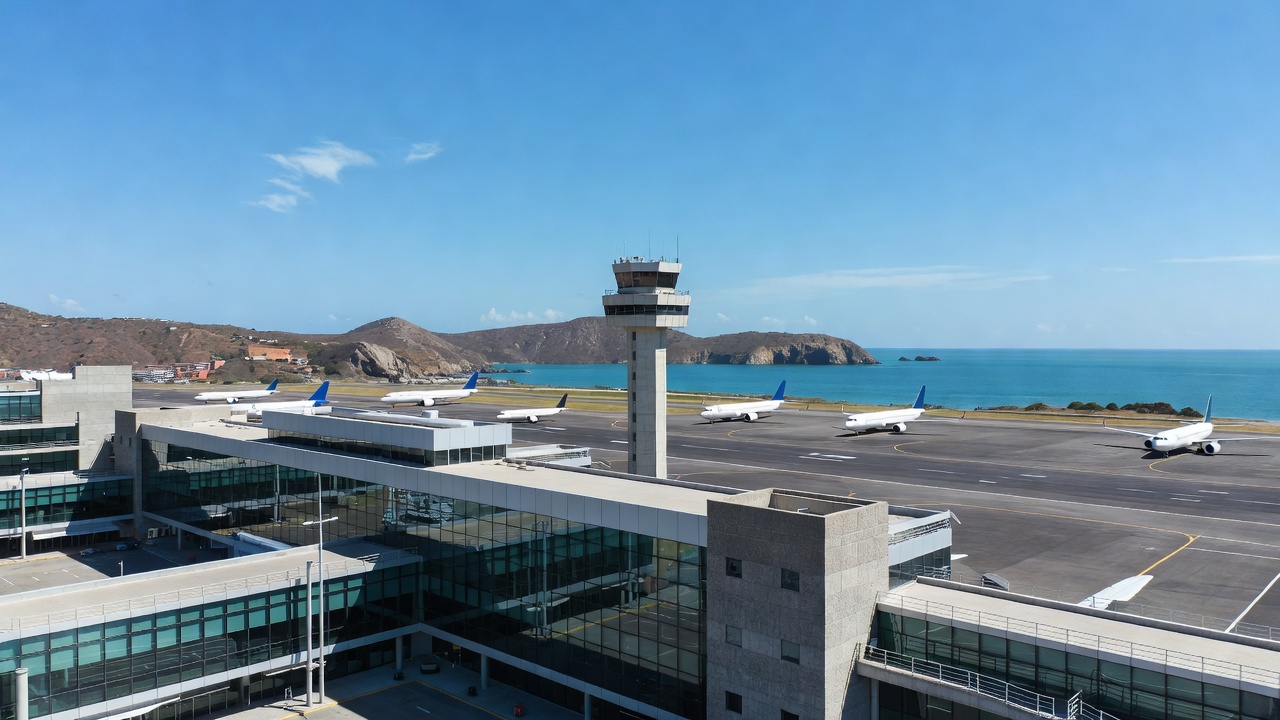
A deportation flight from Miami carrying 146 Venezuelans, including 19 women and seven children, arrived at Simón Bolívar International Airport at 10:22 a.m. local time on June 24 and the group was transferred to Hotel Santuario in La Guaira for processing, according to Venezuelan authorities and an ICE Flight Monitor tracked by Human Rights First.[[1]](https://apnews.com/article/earthquake-venezuela-us-deportees-immigration-hotel-survived-783140c04b418de2308f548402ace9af) Hours later twin earthquakes measuring 7.5 and 7.2 in magnitude struck the northern coast, causing the hotel to collapse and leaving more than 100 of the deportees missing or feared dead as rescue teams searched the rubble. The quakes produced severe to violent shaking across the region with widespread building collapses, according to a seismic analysis published by Earthquake Insights. Venezuelan officials initially reported lower casualty counts that rose rapidly in subsequent days while families pleaded for access to the site where authorities had blocked entry and stated there was no life remaining.
Families of several deportees described desperate searches through hospitals, morgues and debris in the days following the June 24 disaster, with some learning of survivors only after extensive efforts. Abelardo Rincón, 23, who had lived in Georgia for six years, called relatives from the hotel before going missing while Darwin Eliecer Serrano Lopez, 35, spoke to his cousin at 5:32 a.m. shortly before the first quake struck less than half an hour later. Anderson Daniel Salcedo, 22, survived after being trapped for 40 hours but required leg amputations while Lisbeth Portillo, 58, escaped with about 20 others and later told the Associated Press she saw a woman next to her begin to fall amid screams for help. Jose Rincón, Abelardo’s grandfather, told reporters he had viewed at least 200 bodies including at a Caracas morgue yet still held no answers about his grandson weeks after the event.
The earthquakes killed at least 1,719 people and injured some 5,000 others with tens of thousands reported missing by families, United Nations data and Venezuelan government updates confirmed through June 29.[[2]](https://news.un.org/en/story/2026/06/1167837) La Guaira suffered some of the heaviest damage with numerous structures pancaked under the intense shaking that an initial USGS assessment projected could produce thousands of fatalities and billions of dollars in losses. Rescue operations continued into late June with Mexican army teams and local crews searching collapsed buildings while aftershocks frayed nerves among those awaiting news of loved ones. The disaster struck a country already strained by years of economic and political challenges that had prompted large-scale emigration to the United States.
US authorities described the deportation flight as having reached Venezuela safely with all individuals returned home, a Department of Homeland Security statement issued after the quakes noted that Immigration and Customs Enforcement bears no further responsibility once custody ends. The flight formed part of a resumed schedule that saw 12 deportation operations to Venezuela in May alone after a 13-month pause ended in February 2025, according to tracking by Human Rights First and reports from NPR and the Baltimore Sun. Venezuelan officials provided limited information amid the chaos and posted public hotlines while facing criticism over response speed as detailed in multiple accounts from CNN and Al Jazeera. Some survivors reached safety on foot and sought treatment in overwhelmed hospitals where conflicting reports initially complicated family efforts to locate relatives.
The incident occurred against a backdrop of intensified US deportation activity under the second Trump administration with more than 400,000 removals conducted between ICE and CBP in the first 250 days of 2025 according to Migration Policy Institute estimates.[[3]](https://www.migrationpolicy.org/news/new-era-enforcement-trump-2) That pace included interior enforcement actions that doubled daily ICE deportations from 600 in January to 1,200 by June while the administration pursued a goal of one million removals annually and revoked protected status for hundreds of thousands of Venezuelans. Earlier in 2025 the Supreme Court allowed termination of humanitarian parole programs affecting roughly 500,000 people from Venezuela and other nations, a Justice Action Center summary stated. Deportations to Venezuela had been limited previously due to diplomatic tensions yet resumed with flights often landing in Caracas before transfers to processing sites like the La Guaira hotel.
Surviving deportees and their relatives have recounted the abrupt transition from years spent building lives in the United States to the sudden disaster upon involuntary return. Mildrey Sarazo, wife of Darwin Serrano Lopez, expressed a desire to bury her husband and gain certainty about his fate while Marlene Lozano, grandmother of Anderson Salcedo, said the family prayed for his strength despite knowing he would never be the same after losing his legs. Paola Chacón, cousin of another deportee, drove through the night to search and vowed to remain until answers emerged. The events have compounded the trauma of family separations caused by immigration enforcement with many Venezuelans having fled economic collapse and insecurity only to face this sequence of deportation and natural disaster.