ع
ع


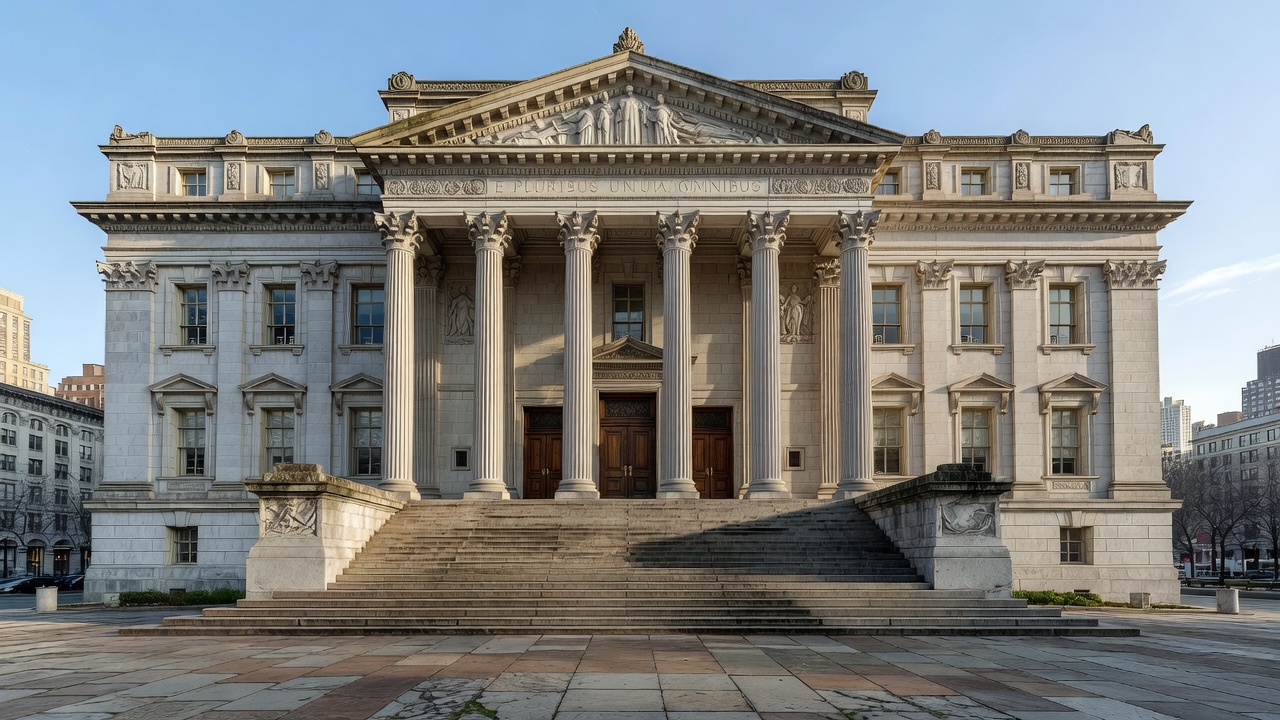
Deposed Venezuelan President Nicolas Maduro pleaded not guilty to narco-terrorism conspiracy and related drug trafficking charges in a New York federal court on January 5, 2026, claiming through a translator that he had been kidnapped from Caracas and was a prisoner of war. His wife, Cilia Flores, entered a not guilty plea as well after the couple was seized by U.S. forces two days earlier on orders from President Donald Trump following a strike on the country. Manhattan U.S. Attorney Jay Clayton said in a CNBC interview that his office was completely comfortable with the prosecution, which rests on a superseding indictment building on charges first brought in 2020.
Defense lawyer Barry Pollack, who previously represented Julian Assange, told the court that Maduro is the head of a sovereign state and entitled to privileges from that status. Pollack raised questions about the legality of the military abduction and said there would be voluminous court filings on the matter. Flores, who sustained a large bruise on her forehead and possible rib injuries during the capture, requested medical attention including an X-ray from jail officials, according to proceedings detailed by CNBC.
The U.S. Department of Justice indictment refers to Maduro as the illegitimate ruler of Venezuela due to fraudulent election results and accuses him along with co-conspirators of partnering with narco-terrorist groups to import tons of cocaine into the United States over decades. A Congressional Research Service analysis published in March 2026 notes that the charges supersede a 2020 indictment that first alleged Maduro worked with Colombian guerrilla groups in a narcoterrorism conspiracy. The filing lists specific acts, including an alleged 2007 meeting in which Flores accepted bribes to connect a drug trafficker with a Venezuelan anti-drug official.
According to a Carter Center report from February 2025, Venezuela’s July 2024 presidential election did not meet international standards, with opposition-collected precinct tally sheets from more than 80 percent of polling stations showing challenger Edmundo Gonzalez winning with 67 percent of the vote against Maduro’s 30 percent. The center found that results announced by Venezuelan authorities failed to reflect the will of the people. Other defendants charged in the indictment, including Maduro’s son Nicolas Ernesto Maduro Guerra, Diosdado Cabello Rondon, Ramon Rodriguez Chacin and Hector Rusthenford Guerrero Flores, leader of the Tren de Aragua group designated a foreign terrorist organization, are not in U.S. custody.
Maduro repeatedly stated, “I’m innocent. I am not guilty of anything.” Flores identified herself by saying, “I am first lady of the Republic of Venezuela,” and replied, “Not guilty. Completely innocent,” when asked for her plea. The couple agreed to remain in jail without bail for now, though they could file a bail application later, with the judge setting the next court date for March 17.
The Trump administration’s actions have drawn comparisons to its pardon of former Honduran President Juan Orlando Hernandez, who was convicted in 2024 on cocaine trafficking conspiracy charges. A Congressional Research Service assessment drew parallels to the 1989-1990 U.S. prosecution of Panama’s Manuel Noriega on drug charges following his capture. The intervention forms part of a broader strategy that includes U.S. oversight of Venezuelan oil sales, with Trump indicating American companies would invest $100 billion to rebuild the sector, Reuters reported.