ع
ع


Oman Reports Oil Tanker Attack in Strait of Hormuz Sparking Market Turmoil
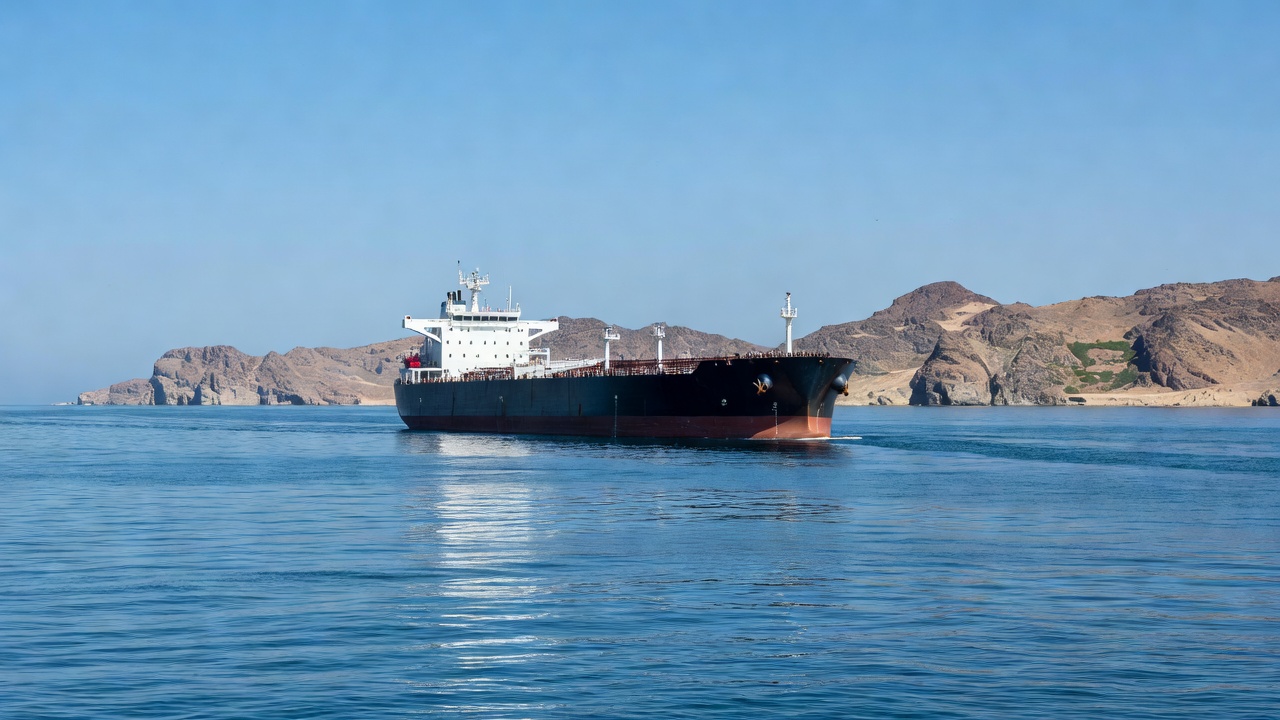
An oil tanker was attacked in the Strait of Hormuz on March 1, 2026, Oman’s Maritime Security Centre reported, with four crew members injured and all 20 evacuated. The vessel, identified as the Palau-flagged Skylight, was targeted about five nautical miles north of Khasab Port, according to the centre, one day after Iran’s Islamic Revolutionary Guard Corps declared the strait closed to international navigation.
The Maritime Security Centre of Oman said the Skylight was struck in the waters off Musandam, with the incident representing the first reported attack on a vessel in the strait. According to its statement, the tanker was operating under the flag of Palau and is subject to United States sanctions. The centre has not identified the attacker or the weapon involved in the strike that occurred on Sunday morning.
Oman’s Maritime Security Centre further stated that the 20 crew included 15 Indian nationals and five from Iran, all of whom were evacuated successfully. The centre’s preliminary information indicated that at least four people were injured during the attack and subsequently transferred for medical care. Omani authorities also reported a separate drone attack targeting the port of Duqm in the country.
The incident followed the Islamic Revolutionary Guard Corps’ declaration on February 28 that the Strait of Hormuz was closed to international shipping, with radio warnings issued to vessels in the area. This came after United States and Israeli strikes on Iran that killed Supreme Leader Ayatollah Ali Khamenei and led to Iranian missile responses, regional accounts show. Oman had been acting as a mediator in nuclear discussions between Tehran and Washington before the recent escalation.
Major shipping operators reacted swiftly to the developments, with Maersk announcing the suspension of all transits through the Strait of Hormuz until further notice on Sunday afternoon. The very large crude carrier KHK Empress, which was partially loaded with Omani crude oil, and the Indian-flagged tanker Desh Abhimaan both executed U-turns and abandoned their planned routes, according to ship tracking information. Marine insurers have stopped providing coverage for any voyages in the vicinity, according to industry updates, creating additional operational challenges for the sector.
Oil futures were set to reopen amid expectations that Brent crude could reach 100 dollars per barrel, a level not seen since the 2022 Russian invasion of Ukraine, market observers noted. Analysts at Barclays raised their forecasts to that level, warning that a prolonged disruption could block up to 20 million barrels per day, or around 20 percent of global supply. The US Energy Information Administration has historically placed the strait’s daily throughput at similar figures.
Eight OPEC+ nations including Saudi Arabia, Russia, Iraq, the United Arab Emirates, Kuwait, Kazakhstan, Algeria and Oman convened a virtual meeting on Sunday to assess market conditions. The group said in a press release that it would increase collective oil output by 206,000 barrels per day beginning in April. The press release added that the countries will hold monthly meetings to review market conditions, conformity and compensation, with the next gathering set for April 5.