Three U.S. service members were killed with at least five others seriously wounded as American and Israeli strikes on Iran continued into a second day on March 1, 2026, the Pentagon confirmed according to NPR reporting. President Trump warned that more American deaths were likely in the operation known as Epic Fury while vowing to avenge the fallen troops whom he called true American patriots. The casualties involved ground-based forces stationed in Kuwait with additional personnel sustaining minor shrapnel injuries and concussions and returning to duty.
U.S. Central Command reported striking an Iranian Jamaran-class corvette that was sinking at a pier on the Gulf of Oman. B-2 stealth bombers armed with 2,000-pound bombs targeted ballistic missile facilities the previous night as part of more than 1,000 targets struck overall. Trump claimed U.S. forces had sunk nine Iranian naval ships and largely destroyed the naval headquarters although Central Command would not confirm those specifics. The president indicated further attacks were coming with forces going after the rest of the targets.
In an address posted online Trump said “true American patriots who have made the ultimate sacrifice for our nation, even as we continue the righteous mission for which they gave their lives.” He added “And sadly, there will likely be more before it ends, that’s the way it is” while accusing Iran of waging war against civilization. Trump further stated that America would avenge the deaths and warned of responding with a force never seen before if Iran escalated.
Israel’s military carried out large-scale strikes in Tehran with explosions reported in the capital targeting what it called the Iranian terror regime to establish air superiority. Iranian state media confirmed that Supreme Leader Ayatollah Ali Khamenei was killed in the strikes on his office in Tehran. Iran announced a three-person temporary leadership council to govern the country under Islamic law until a panel of Shia clerics selects a new supreme leader. The development followed the 1989 transition after the death of Ayatollah Ruhollah Khomeini according to historical accounts from Britannica.
Iranian Foreign Ministry spokesperson Esmail Baghaei told NPR that 158 students were killed at an elementary school in Minab in southern Iran with some still under the rubble. He stated that hospitals in central Tehran had also been hit and described the conflict as an unjust war imposed on the nation. Baghaei said Iran had no problem with the American people but viewed it as the U.S. administration’s war of choice adding that the country would continue to fight foreign aggression and domination. A Central Command spokesperson told NPR the military was looking into reports of civilian harm while stressing that protection of civilians is of utmost importance and that unlike Iran the U.S. would never target them.
Iranian retaliation damaged airports in Dubai, Abu Dhabi and Kuwait along with luxury hotels believed to house U.S. personnel according to NPR. At least nine people were killed in an Iranian missile attack near Jerusalem Israeli officials reported. The strikes shut down several major airport hubs in the Middle East including one of the world’s busiest in Dubai with videos showing smoke and evacuations dominating social media. Security tightened across Iraq and Jordan with air defenses activated and entrances to Baghdad’s green zone blocked to protect embassies.
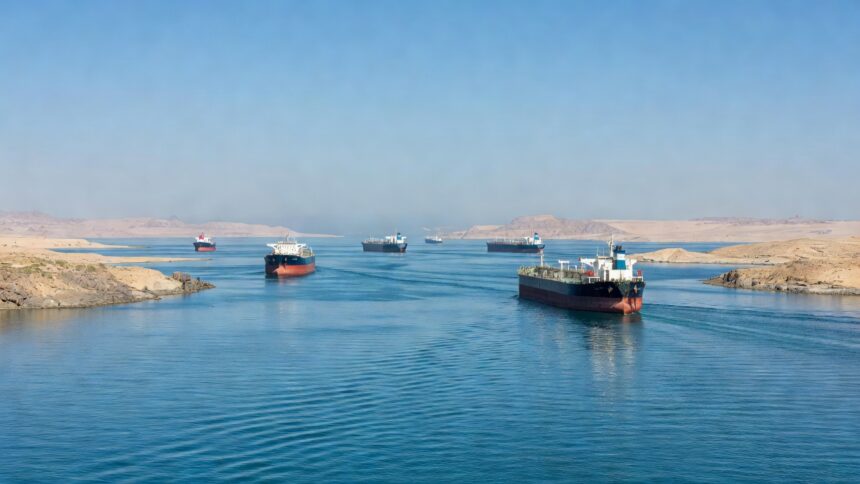
Iran announced it was closing the Strait of Hormuz and threatened its biggest wave of attacks yet on Israel and U.S. bases. U.S. Energy Information Administration data shows the strait carried roughly 20 million barrels per day in 2024 or about 20 percent of global petroleum liquids consumption. The OPEC group of oil producing countries was scheduled to meet to consider increasing production and avoid severe price rises if Gulf supplies were restricted. Council on Foreign Relations assessments note the confrontation follows years of tensions over Iran’s nuclear program after the collapse of the 2015 nuclear agreement and failed renegotiation attempts in 2025.