ع
ع


Iran’s newly appointed supreme leader Mojtaba Khamenei pledged that the country would continue fighting in the ongoing war with the United States and Israel in his first public statement since taking office, which was read by a news anchor on state television on March 12, 2026. The message called for national unity, said the Strait of Hormuz would remain closed to pressure Iran’s enemies and demanded that all US bases in the region be closed immediately or face attack, according to a report by Al Jazeera. It added that armed groups in Yemen would also act while others in Iraq wanted to assist the Islamic revolution, and it thanked Iran’s military for preventing the country from being dominated or divided under attack.
The statement was attributed to Mojtaba Khamenei but not delivered by him in person, a detail that has fueled rumors he may have been injured or killed in the conflict, Middle East analyst Zeidon Alkinani told Al Jazeera. Al Jazeera’s Tohid Asadi, reporting from Tehran, said the new leader signaled he would leverage the Strait of Hormuz and potentially intensify the fighting. The remarks also appeared to contradict comments a day earlier by President Masoud Pezeshkian, who suggested Iran would consider ending the war if certain conditions were met, according to the same Al Jazeera coverage.
Ayatollah Ali Khamenei, who had ruled Iran for 37 years, was killed in Tehran on February 28 during the initial US and Israeli strikes that sparked the broader war now affecting much of the Middle East, Al Jazeera reported. Iran’s Assembly of Experts reached a consensus to name his son as successor on March 8, the outlet added. According to a Carnegie Endowment analysis published on March 6, Mojtaba Khamenei, a 56-year-old mid-ranking cleric who teaches theology at Qom Seminary, had long been rumored as a potential successor though his father reportedly opposed the idea of hereditary succession.
Mojtaba Khamenei fought in the Iran-Iraq war in the 1980s and has operated as a reclusive figure managing aspects of his father’s wealth and influence without holding public office, the BBC reported on March 9. The New York Times noted on March 3 that his selection could signal a victory for hard-liners among senior clerics despite some reservations that it might make him a target. Iranian society remains divided over the appointment, largely because of economic hardships that triggered violent protests in December and January, Al Jazeera stated.
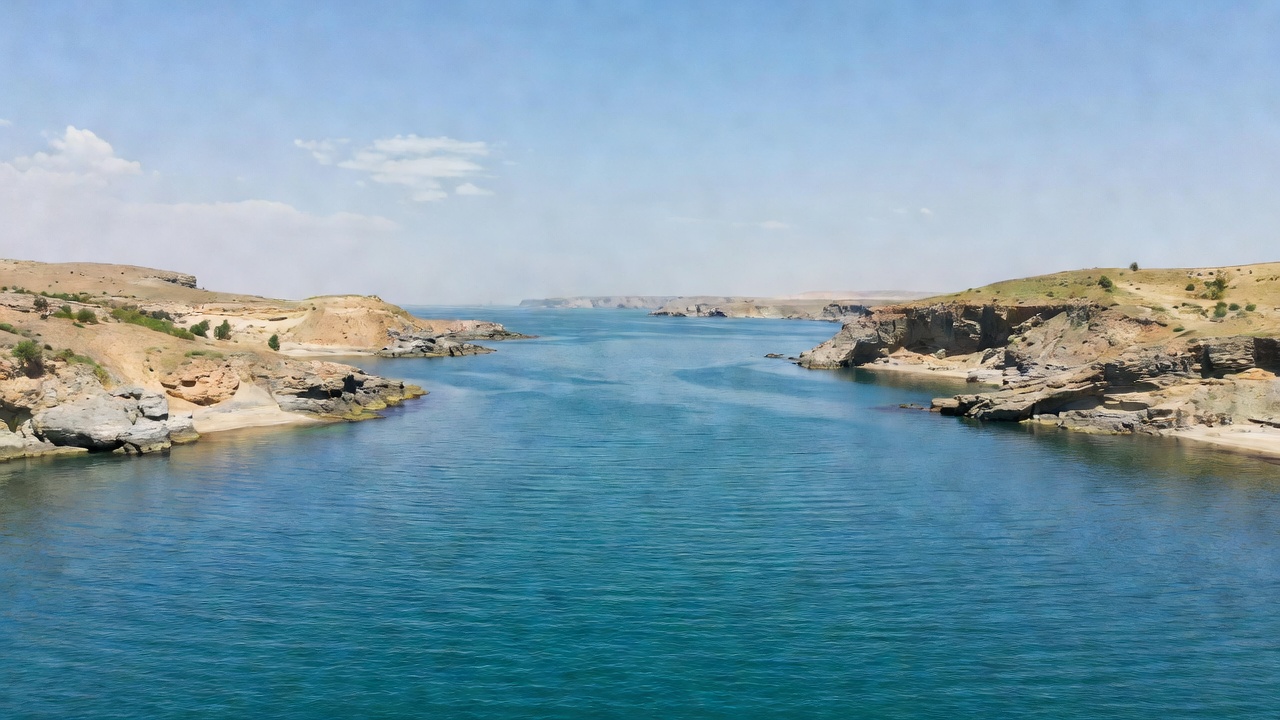
The statement comes as shipping data shows transits through the Strait of Hormuz, which the US Energy Information Administration said averaged 20.9 million barrels per day in the first half of 2025 or about 20 percent of global petroleum liquids consumption, have fallen to less than 10 percent of pre-conflict levels. UNCTAD has described the waterway as one of the world’s most critical chokepoints, carrying around a quarter of global seaborne oil trade along with significant liquefied natural gas volumes. In the announcement, Khamenei thanked “the brave fighters who are doing a great job at a time when our country is under pressure and under attack” and pledged that Iran would keep fighting.
Lecturer in international security Rob Geist Pinfold at King’s College London told Al Jazeera that the message represented a doubling down on Iran’s established positions rather than the change in rhetoric hoped for by the Trump administration. Associate professor Zohreh Kharazmi at the University of Tehran said many inside the country appreciated the “bold and courageous message” delivered in the face of US threats, according to Al Jazeera. Analyst Zeidon Alkinani added that the focus on armed resistance allowed the new supreme leader to sidestep discussions over economic reform and other issues that matter to ordinary Iranians.