Mojtaba Khamenei Urges Resistance and Hormuz Leverage in First Message as Supreme Leader
Iran’s new Supreme Leader Mojtaba Khamenei urged continued military resistance against the United States and Israel along with sustained use of the Strait of Hormuz as leverage in a written message released on March 12 2026 according to Iranian state television. The communication read by a presenter alongside a still photograph rather than through any personal video or audio appearance came three days after his unanimous appointment by the Assembly of Experts and as the conflict that began with fatal strikes on Feb. 28 entered its second week. Iranian state media reported that the message also focused on domestic unity calls for revenge over all casualties and warnings to regional states hosting U.S. bases even as no direct evidence of Khamenei’s condition has been provided following reports he was injured in the initial attacks that killed his father Ali Khamenei.
The statement attributed to Mojtaba Khamenei praised Iran’s armed forces and called for what it termed the continuation of effective and regret-inducing defense. It noted that studies had been conducted regarding the opening of other fronts where the enemy has little experience and is highly vulnerable with activation to occur if the state of war continues and if it serves Iran’s interests. The message further described the Axis of Resistance as an inseparable part of the Islamic Revolution’s values and thanked groups including Yemen’s Houthis Lebanon’s Hezbollah and armed factions in Iraq for their support.
Domestically the new leader highlighted the Iranian people’s resilience in the period immediately after his father’s death when the country temporarily lacked a supreme leader or commander in chief. The insight and intelligence of the great nation of Iran in the recent events and its perseverance courage and presence astonished friends and enemies alike the message said according to the state television broadcast. Khamenei reminded citizens of the importance of participation in Quds Day ceremonies where the element of confronting the enemy must be emphasized while warning that without public support neither leadership nor institutions can function effectively.
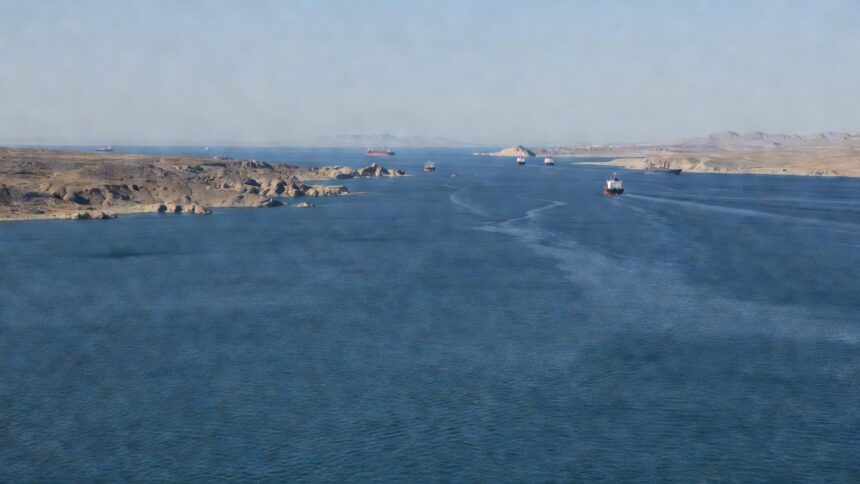
On the issue of retaliation the statement vowed that Iran would not ignore revenge for the blood of martyrs extending the commitment to every national casualty rather than only the killing of the former supreme leader. A limited amount of this revenge has already taken place in practice but until it reaches its complete extent this case will remain open above all others it read. This position was outlined as Iranian actions targeted shipping in the Strait of Hormuz and Persian Gulf where Reuters reported at least 16 commercial vessels had been struck or attacked since the conflict’s start on Feb. 28.
The message warned governments in the Middle East whose territories host U.S. military facilities noting that Iran had previously struck some of those bases without attacking the countries themselves. These countries must determine their position toward those who have attacked our homeland and killed our people and I recommend they close those bases as soon as possible the statement said. BBC reporting from March 13 found that many Iranians were questioning who was truly in charge given the new leader’s continued absence from public view since his appointment.
The conflict has triggered major disruptions in global energy markets with the International Energy Agency coordinating the release of 400 million barrels from strategic reserves described as the largest such intervention in its history. IEA data placed potential global supply declines at up to 8 million barrels per day during March while oil prices climbed above $100 a barrel at times before settling with volatility. The agency’s April 2026 Oil Market Report indicated cumulative supply losses exceeding 360 million barrels for March alone contributing to a downward revision in global oil demand forecasts amid the war’s effects.
Mojtaba Khamenei was formally named supreme leader on March 9 2026 in a unanimous vote by the Assembly of Experts Wikipedia’s entry on the succession recorded. A Soufan Center assessment published the same day as the message found that it endorsed Iran’s defense strategy while leaving some room for political resolutions potentially conditioned on reparations. Multiple outlets including CNN and NPR confirmed that no video audio or in-person appearance by the new leader had been released at the time of the statement’s broadcast heightening speculation over his whereabouts and well-being.