ع
ع


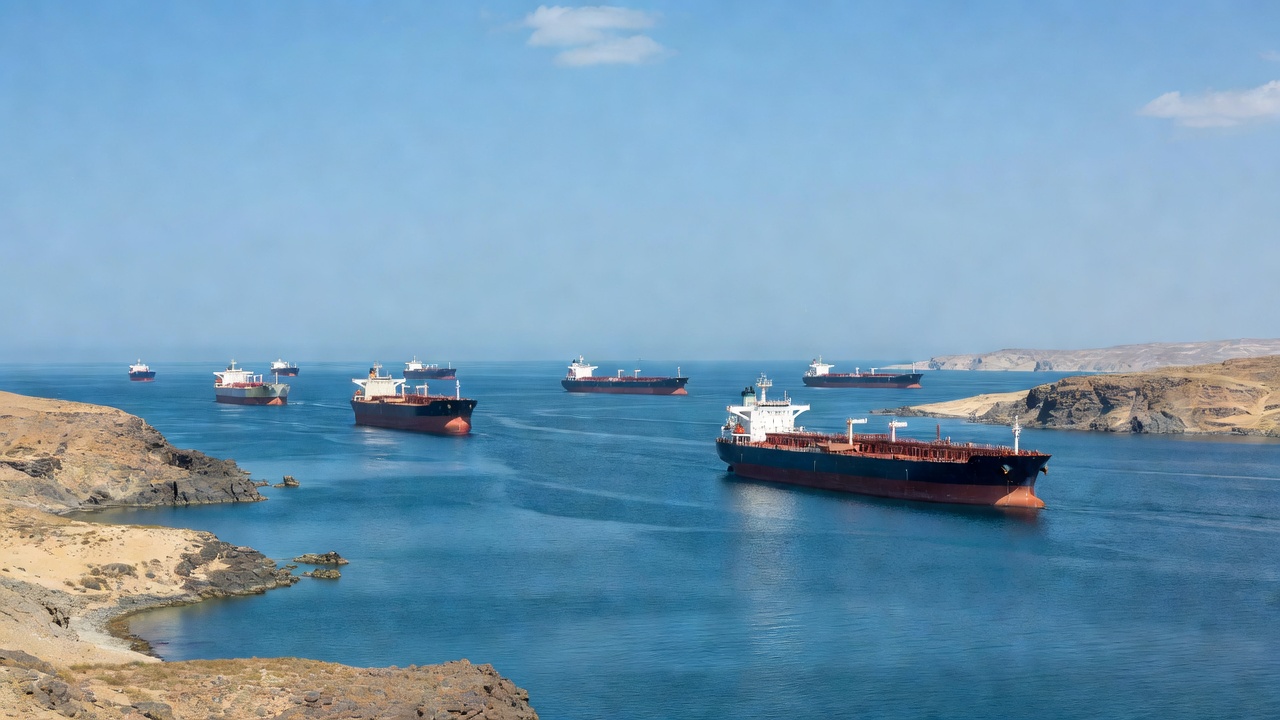
Oil prices plunged more than 10 percent on April 17 2026 after Iran’s foreign minister declared the Strait of Hormuz completely open to commercial vessels during a ceasefire in the conflict involving the United States Israel and Iran. The announcement triggered an immediate sell-off that sent West Texas Intermediate crude down 11.4 percent to 83.85 dollars per barrel according to NBC News while Brent crude fell 9 percent to 90.38 dollars. BBC reporting placed Brent at 88 dollars after starting the session above 98 dollars with the drop occurring in less than two hours as markets reacted to the reduced risk of shipping interruptions.
Iranian Foreign Minister Abbas Araghchi posted the declaration on X stating “In line with the ceasefire in Lebanon the passage for all commercial vessels through Strait of Hormuz is declared completely open for the remaining period of ceasefire” Axios reported. The statement aligned with similar claims made separately by President Donald Trump that the critical waterway was once again accessible. Iranian forces had blocked transit in response to military operations that began in February 2026 according to a Congressional Research Service assessment published the following month.
A Congressional Research Service report from March 2026 documented how Iran’s closure of the strait on March 4 sent Brent crude up 8 percent in two days from 71.32 dollars to 77.24 dollars per barrel with prices later breaking the 100-dollar mark as shipping traffic came to a near standstill. The assessment noted that the narrow passage between the Persian Gulf and Gulf of Oman handles roughly one-fifth of global oil trade under normal conditions making it a focal point for energy security concerns. Attacks on vessels attempting to transit the route had compounded the supply fears throughout the early weeks of the conflict the report added.
U.S. stock indexes rallied on the news with both the S&P 500 and Nasdaq Composite reaching record highs NBC News reported while the Dow Jones Industrial Average gained nearly 2 percent. CBS News coverage placed WTI just over 85 dollars after the decline and noted the positive equity reaction reflected broader relief over energy costs. The market moves reversed some of the upward pressure on inflation expectations that had built during the period when the strait remained closed.
The foreign minister’s announcement arrived against the backdrop of a ceasefire that has so far held in Lebanon and related regional tensions according to multiple outlets covering the diplomacy. Shipping data cited in the Congressional Research Service document showed a sharp decline in tanker traffic after the March closure with insurance costs for Gulf routes surging in tandem. Oil traders had monitored the situation closely because any sustained blockade could remove several million barrels per day from global supply chains the assessment found.
President Trump separately indicated the waterway was open for transit Axios reported in coverage that tied the parallel statements to efforts aimed at restoring commercial flows. The Iranian declaration specified the opening would last for the remainder of the ceasefire period leaving the long-term status dependent on further diplomatic outcomes. Energy Now relayed Reuters figures confirming the more than 10 percent loss across both major crude benchmarks by the close of trading on April 17.