

 ع
ع


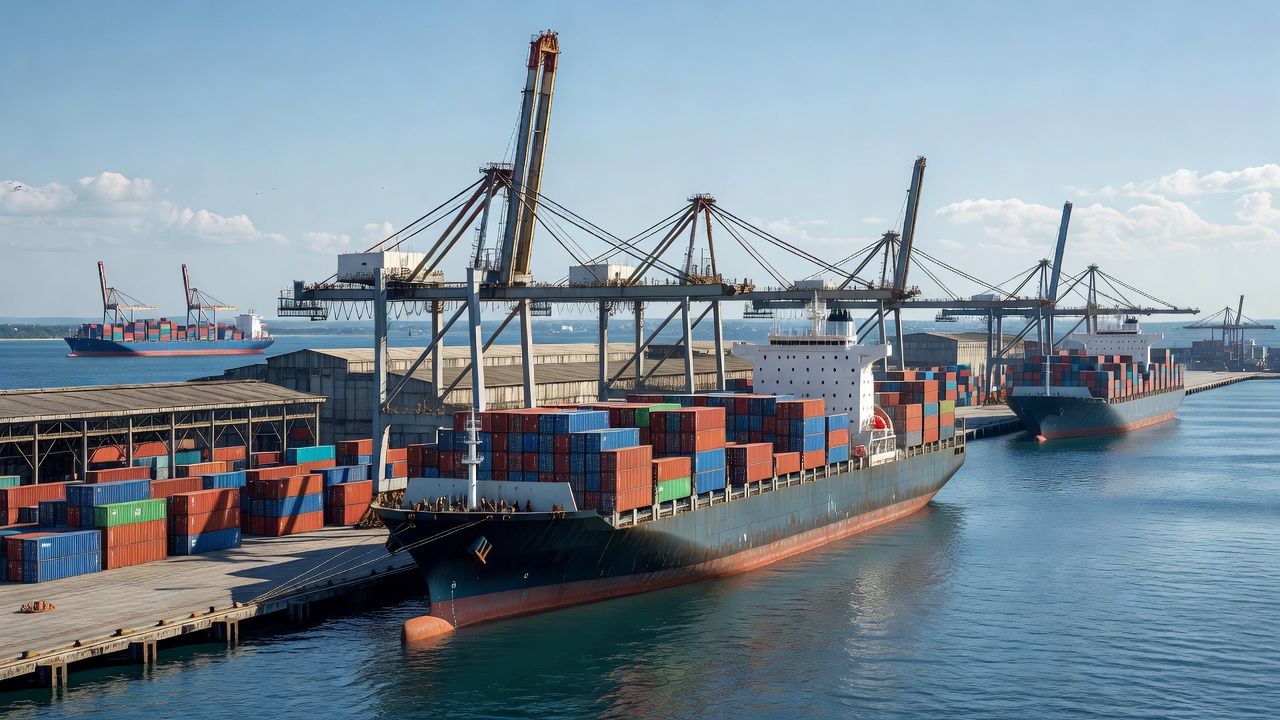
The White House report titled The Great Transshipment Scam described how Chinese exporters have used third countries for repackaging and limited processing to disguise the origin of goods and secure lower tariff rates, according to the document. White House trade adviser Peter Navarro told reporters that for years the scam has let communist China launder its exports through the network of more than 40 nations ranging from Southeast Asia to Israel. The assessment placed the central value of affected goods at 75 billion dollars a year while broader government and private sector estimates cited in the report ranged from 34 billion to 303 billion dollars.
A Reuters review of the findings showed the 19 billion to 26 billion dollar revenue loss calculation stems directly from that central 75 billion dollar case, with some analyses putting potential annual shortfalls as high as 100 billion dollars. The practice intensified after the initial 2018 tariffs on Chinese goods, when United States imports from China fell while those from Vietnam and Mexico rose sharply even as China’s global export share increased, according to trade data compiled by Reuters. Such rerouting has allowed continued manufacturing growth in China while appearing to reduce direct bilateral trade volumes.
Navarro stated that the evasion has cost American jobs and deprived the Treasury of billions, a point echoed across multiple administration briefings on the report. The White House has deployed artificial intelligence tools to detect irregular shipping patterns, the document noted, building on earlier enforcement actions by Customs and Border Protection that included a 400 million dollar seizure operation targeting Southeast Asian transshipments detailed in a 2025 Paul Weiss analysis. New trade frameworks under negotiation will contain explicit penalties for partners found enabling such activity, Navarro added.
Vietnam has featured prominently as both a transshipment point and a target of additional 40 percent duties on rerouted goods, Reuters reporting on 2025 executive orders indicated, while imports from China to Vietnam have fluctuated in response to tariff adjustments. Similar patterns have appeared with India and Malaysia, where limited assembly operations have been used to alter product certificates of origin, according to the White House inventory of risk countries. The report warned that the shadow network has grown in sophistication with faster processing times and more elaborate paperwork.
A spokesperson for the Chinese embassy in Washington told the BBC that trade wars have no winners and that Beijing opposes the US tariff measures along with the use of state power to target Chinese companies. The spokesperson further cautioned that any unilateral actions or agreements concerning transshipped goods must not target or harm the interests of third parties. China has maintained its practices align with global trade norms while characterising the American approach as protectionist.
The findings arrive as the Trump administration continues to adjust tariff policy through successive executive orders issued throughout 2025, according to records maintained by the US Trade Representative. An August 2025 extension of a US-China tariff truce prevented duties from rising to 145 percent on the American side and 125 percent on the Chinese side, Reuters reported at the time, yet transshipment concerns have persisted. Cargo gap analyses, including a February 2026 Bloomberg assessment that identified a 112 billion dollar discrepancy in China-US shipments, have reinforced administration claims of widespread evasion.