ع



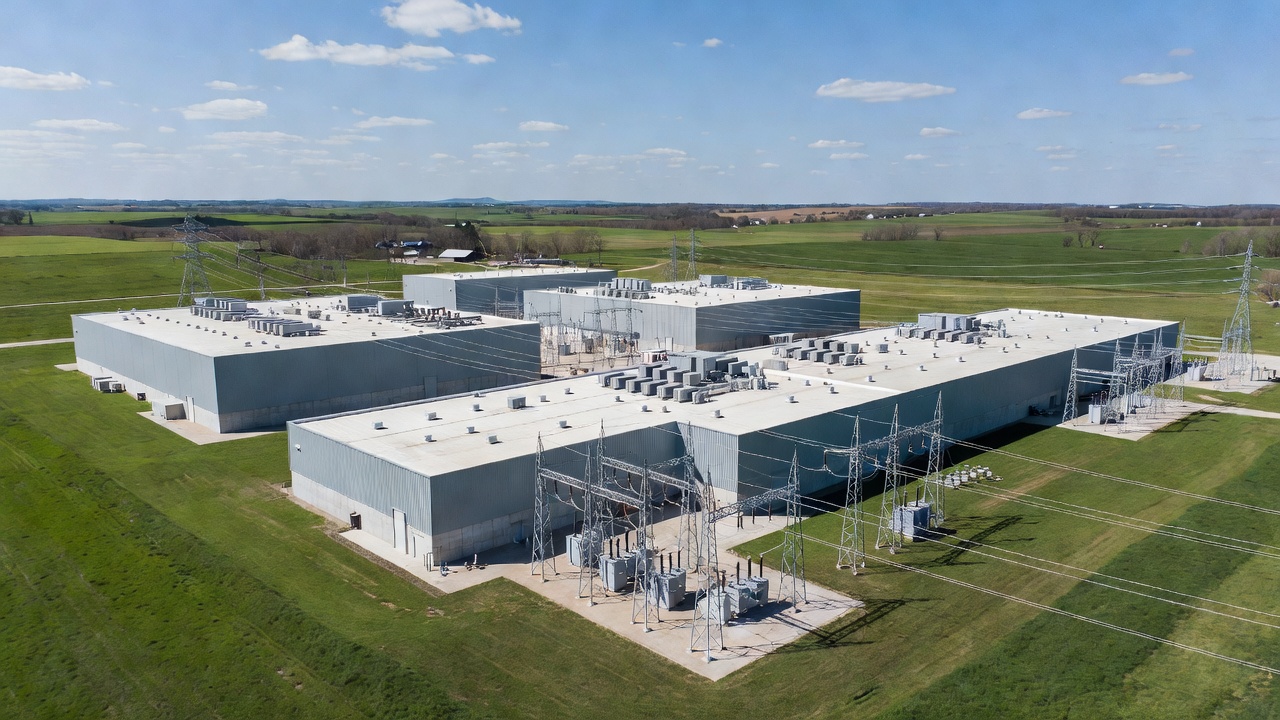
An NBC News exit poll found that 56 percent of voters viewed data centers and artificial intelligence infrastructure as a crucial or major element in their congressional vote while 76 percent said they would oppose construction of a new data center in their own community. The results delivered a setback to the industry that has powered much of the recent AI boom, with nearly 40 local ballot measures to restrict or ban new facilities passing overwhelmingly in 10 states. According to a tracker maintained by Data Centers on the Ballot, only one measure in Harwood, North Dakota, favored expansion while voters in places like Ohio and Illinois approved moratoriums and tighter regulations.
Democrats flipped key governorships and Senate seats in states that have led the data center build-out, including Texas with 595 facilities and 31 projects under construction. Gina Hinojosa defeated incumbent Republican Greg Abbott to become Texas governor while James Talarico won a Senate seat, both campaigning on moratoriums and stricter oversight of the facilities’ power and water demands. In Ohio, which has 258 data centers, Sherrod Brown retained his Senate seat after highlighting his opponent’s support for tax incentives to developers, stating in his victory speech, “I do not work for data centers. I do not work for Wall Street. I work for you, I work for Ohio.” Similar patterns emerged in Georgia and Iowa, where Democratic candidates who pledged tighter rules prevailed.
Local measures reflected widespread concerns over energy consumption, noise pollution and land use, with 33 of roughly 40 proposals succeeding in cities and towns. In Joliet, Illinois, nearly 80 percent of voters backed restrictions amid long-standing complaints about industrial impacts on Black and Latino neighborhoods. Mother Jones reported that more than half the initiatives originated from citizen petitions rather than elected officials, and USA Today noted recalls of two mayors in Ohio and Oklahoma over their handling of proposed projects. The Data Center Coalition responded that it looks forward to working with policymakers to build trust and support responsible growth.
The outcomes are expected to slow the sector’s expansion and introduce regulatory uncertainty, according to investment analysts. Aidan Yao, a senior investment strategist at Amundi Investment Institute, told Reuters that the midterms represented more of a referendum on AI than on former President Donald Trump, adding that restrictions could create uncertainty for the US economy, inflation and monetary policy. WIRED quoted Texas Democratic Congressman Greg Casar saying the revolt against data centers was one of the top issues of the 2026 election and would be seen as an early tremor of a larger AI earthquake upending American politics. AI-related stocks fell following the results amid worries about overcapacity and spending.
The US voter sentiment echoes a parallel data center backlash in Ireland, which a United Nations report has described as a cautionary tale for unchecked expansion. Data centers consume about 23 percent of Ireland’s electricity grid while employing less than 0.1 percent of the workforce, according to Friends of the Earth Ireland, prompting protests in counties including Kildare, Waterford and Dublin. A European-wide day of action on November 6 and 7, 2026, including a march in Dublin, drew participation from more than 85 groups across 10 countries, as reported by the Irish Examiner and POLITICO. Irish authorities have required new facilities to fund renewable energy to cover at least 80 percent of their needs after earlier grid-connection halts.
Industry representatives have argued that data centers bring economic benefits and are essential for technological advancement, yet public opposition has crossed party lines in both the United States and Europe. A WIRED analysis noted that candidates labeled as pro-data center, including two Republicans dubbed Data Center Derek and DC Derrick, lost House races in Ohio and Wisconsin. Reuters reported that Texas, which accounts for roughly a quarter of US data center capacity expected online by 2030, saw its three-decade Republican grip on the governorship end partly over the issue. Further studies of the election data will be needed to quantify the precise electoral impact, but the breadth of the revolt has already prompted calls for national policy reviews on AI infrastructure.