ع
ع


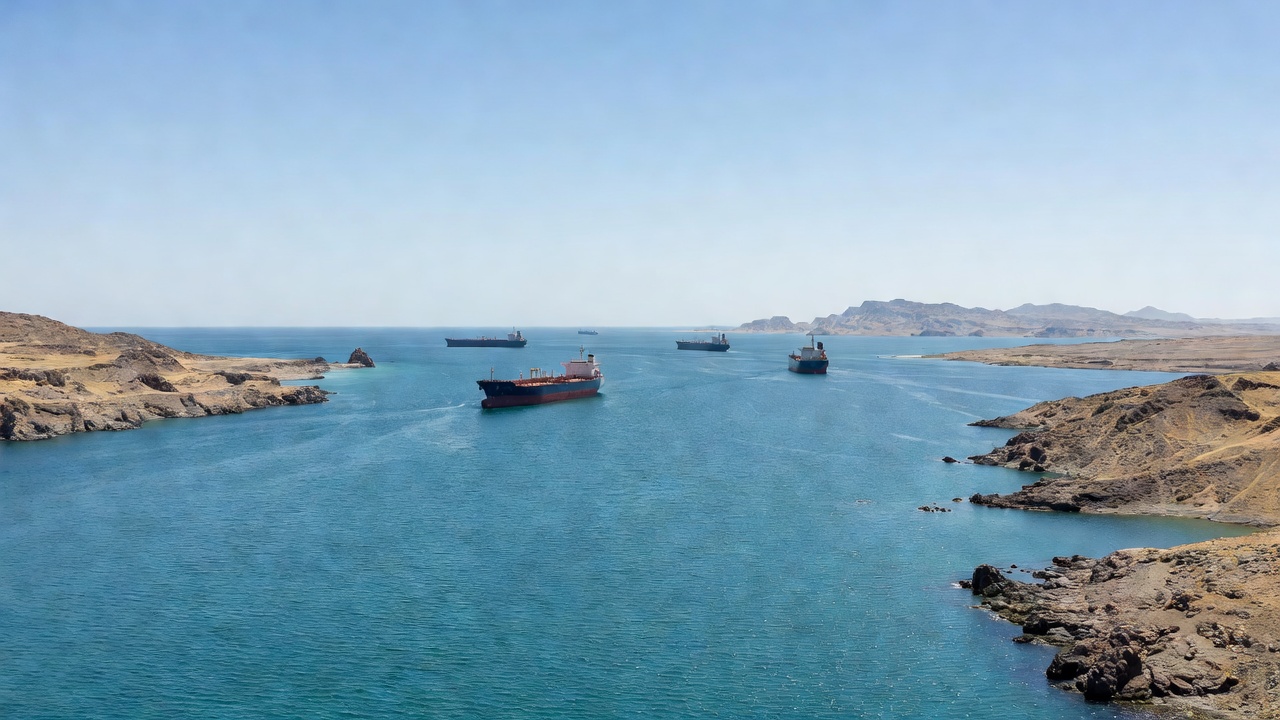
US Central Command announced completion of a new wave of strikes against dozens of Iranian targets including command centers, air defense sites, missile and drone capabilities plus coastal surveillance facilities to degrade threats to shipping in the Strait of Hormuz. Iran’s state media reported missiles hitting areas near Qeshm island, Bandar Abbas, Bushehr and two bridges in Hormozgan province while the BBC verified damage to one bridge west of Bandar Abbas. Centcom said the operation involved jets, drones and ships with strikes concluding in the early hours of July 17.
The renewed blockade began Tuesday night with US marines boarding an oil tanker in the Gulf of Oman and redirecting three commercial vessels attempting to bypass it. Centcom data from an earlier April 13 to June 18 blockade showed nine ships disabled and more than 140 redirected. Iran closed the strait carrying roughly one fifth of global oil and gas shipments in response to prior US and Israeli actions, Reuters reported.
President Donald Trump threatened in April to strike Iranian bridges and power plants unless Tehran returned to negotiations, a move that drew a warning from UN human rights chief Volker Türk. Türk stated that deliberately attacking civilians and civilian infrastructure is a war crime under the 1949 Geneva Conventions. White House press secretary Karoline Leavitt said on July 15 that Trump remained open to diplomacy while insisting he would hold Iran accountable for attacks on ships in the strait.
Leavitt told reporters, “The president will hold them accountable when they turn their back on the words that they state to the United States. But he is always open to diplomacy at the very same time.” Iran’s top negotiator Mohammad Bagher Ghalibaf told state media Tehran had “no reason” to abide by any agreement that did not benefit the country. Ghalibaf added that Iran’s national security depended on maintaining what he described as “Iranian arrangements” in the Strait of Hormuz.
Iran reported striking US military bases in Jordan, Kuwait and Bahrain on Thursday while Trump posted on Truth Social praising the release of US detainee Dena Karari, whom he called “wrongfully detained” in December 2024. Trump wrote, “The United States of America appreciates this gesture of Goodwill by Iran!” Iran’s judiciary stated through state media on July 16 that no US prisoner had been released or exchanged, creating conflicting accounts of the reported goodwill gesture.
A Reuters assessment placed Brent crude at a one-month high of $84.95 a barrel on July 15 amid the disruption.[[1]](https://www.reuters.com/world/middle-east/iran-threatens-block-more-vital-seaways-trump-orders-renewed-iran-blockade-2026-07-15/) UNCTAD data indicates a 50 percent oil price increase could add $20 billion annually to import bills for least developed countries and more than 5 percent of GDP for some vulnerable economies.[[2]](https://unctad.org/publication/strait-hormuz-disruptions-burden-oil-price-shocks-vulnerable-economies) The International Monetary Fund described the Hormuz closure as the largest disruption to the global oil market in history with importing nations in Asia and Europe facing costs equivalent to a sudden tax on income.[[3]](https://www.imf.org/en/blogs/articles/2026/03/30/how-the-war-in-the-middle-east-is-affecting-energy-trade-and-finance)
Brookings Institution analysis projects that even after reopening, oil prices may not normalize for months due to inventory replenishment and infrastructure repairs.[[4]](https://www.brookings.edu/articles/from-chokepoint-to-crisis-the-strait-of-hormuz-and-global-oil-markets/) US officials told Reuters the latest strikes were four or five times larger than previous rounds in April and June targeting similar capabilities. The situation persists with diplomatic channels remaining active alongside military operations on both sides.