ع
ع


US Retaliates Against Iran With Strikes on Missile Sites After Hormuz Ship Attack
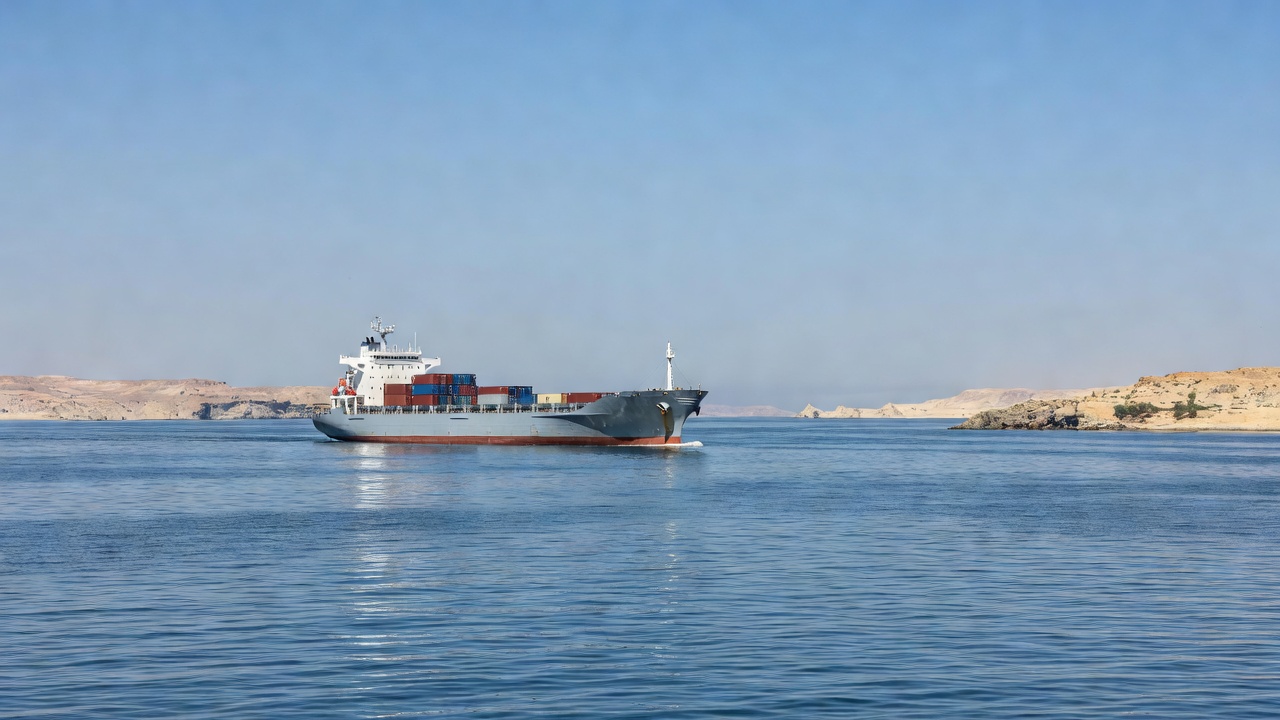
The United States conducted strikes on Iranian missile and drone storage facilities along with coastal radar positions on Friday following a one-way drone attack on the Singapore-flagged cargo ship M/V Ever Lovely in the Strait of Hormuz a day earlier, according to US Central Command. President Donald Trump described the Iranian action as a “foolish violation” of a ceasefire agreement reached on June 17, Reuters reported on June 26. No casualties resulted from the ship incident or the subsequent US operation, Central Command stated in its announcement of what it termed a “powerful response.”
US Central Command said in a statement that the unwarranted aggression against commercial shipping clearly violated the ceasefire, detailing how Iranian forces struck the vessel as it exited the strait near the coast of Oman. The strikes represented a limited action intended to respond proportionally without further escalation, PBS News reported. A British military monitoring service had earlier noted a vessel hit by a projectile off Oman, aligning with the timeline of the Thursday incident.
The June 17 truce, which included a 14-point memorandum of understanding and provisions for 60 days of safe passage, followed months of disruption after US and Israeli operations against Iran began in February 2026, according to a Congressional Research Service assessment published in March. That earlier phase saw Iran declare the strait closed, prompting a sharp drop in shipping traffic from an average of 129 daily transits to just four on some days in March, a UNCTAD report cited by farmdocdaily.illinois.edu showed. The recent exchange marks the most significant test of the interim understanding to date.
Data from the US Energy Information Administration places average oil flows through the Strait of Hormuz at 20.9 million barrels per day in the first half of 2025, equivalent to about 20 percent of global petroleum liquids consumption. Disruptions tied to the 2026 crisis have contributed to spikes in global oil prices and affected shipments of fertilizer and liquefied natural gas, with roughly one-third of global seaborne fertilizer trade and 19 percent of LNG exports passing through the waterway under normal conditions, according to IEA and UNCTAD figures referenced in multiple analyses. The UN’s International Maritime Organization paused evacuations of stranded vessels and more than 11,000 seafarers after the latest attack, CNN reported on June 25.
Trump told reporters at the White House that “you’ll see” when asked about a potential response and added, “I don’t like the fact that they took a shot yesterday. They shouldn’t be doing that.” In a separate social media post, he blamed Iran for the drone strike that damaged the ship’s upper deck while noting the vessel was able to continue, WBAL-TV reported. The president had previously extended the ceasefire to allow time for negotiations toward a permanent resolution.
Iran has insisted on its right to control shipping in the strait while denying it imposed illegal tolls on tankers, Reuters stated in coverage of the exchange. The Islamic Revolutionary Guard Corps was identified by US officials as responsible for the drone operation, which also saw three additional drones shot down. Approximately 115 ships managed to exit the area in recent days, yet around 500 remained in the vicinity when the latest incident occurred, according to IMO representative Arsenio Dominguez.
The 2026 Strait of Hormuz crisis has included multiple prior attacks on vessels, with at least 10 reported by early March and five crew members killed across two incidents, a Wikipedia compilation of events drawing on official statements indicated. US operations in February destroyed at least 17 Iranian ships and degraded Iran’s ability to sustain a full closure, according to US Central Command updates referenced in the Congressional Research Service document. Economists tracking the conflict have linked the reduced flows to higher energy costs worldwide, though specific GDP impacts remain under assessment by bodies such as the International Energy Agency.