ع
ع


The latest consumer price index data released Wednesday showed US inflation rising faster than anticipated with the Labor Department reporting a 0.6 percent monthly increase in September that pushed the annual rate to 3.7 percent. This marked an uptick from the 3.4 percent annual rate recorded in August and exceeded economists’ forecasts of 3.6 percent. Core inflation which strips out food and energy costs also climbed to 2.6 percent annually from 2.4 percent according to the Bureau of Labor Statistics.
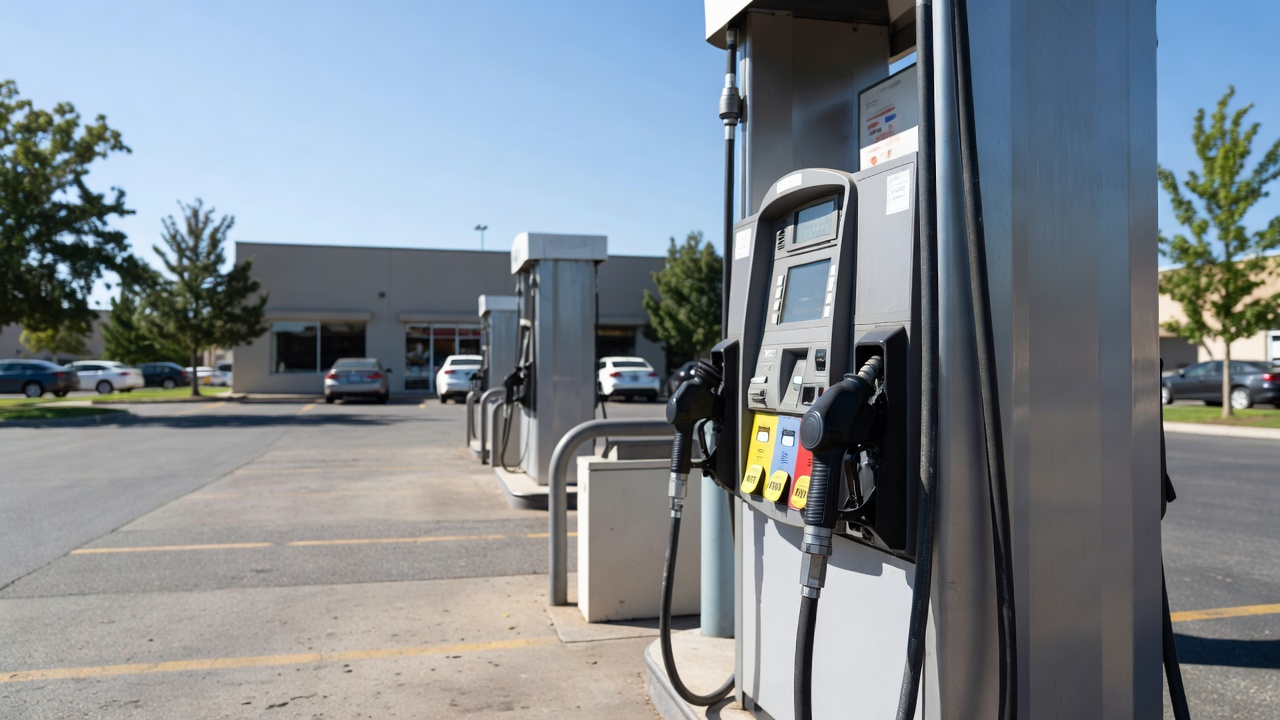
Gasoline prices surged 9.1 percent during the month and stood 34.2 percent higher than a year earlier accounting for more than half of the overall monthly CPI gain BLS figures indicated. The energy index jumped 5.2 percent with fuel oil prices soaring 74 percent on an annual basis amid supply disruptions linked to the conflict in the Middle East. In contrast grocery prices edged down 0.1 percent even as shelter costs advanced 0.4 percent the fastest pace in five months while apparel and airfares also contributed to the gains.
The inflation report arrives as the final major release before the November 3 midterm elections during which cost-of-living concerns have dominated voter discussions multiple news outlets reported. President Donald Trump’s administration has faced criticism over the persistence of elevated prices with some polls indicating approval ratings for his economic handling at new lows according to AP News. Richard Carter head of fixed interest research at Quilter Cheviot said in a statement that inflation in the US has come in higher than expected in a blow to Donald Trump ahead of November’s midterms.
Federal Reserve officials have responded to the broader inflationary trend by raising interest rates last month for the first time in three years lifting the benchmark to a range of 3.75 percent to 4 percent Reuters reported. With the latest data showing core pressures building markets increased the probability of another rate hike at the central bank’s October 27-28 meeting to around 50 percent from 22 percent prior according to CME Group’s FedWatch Tool. Chairman Kevin Warsh noted last month that inflation was not returning to the 2 percent target quickly enough.
The uptick follows a period in which inflation had cooled from a 2022 peak of 9.1 percent but has reaccelerated this year following the onset of conflict in the Middle East that disrupted energy supplies as detailed in multiple analyses including from Bloomberg. Over the past six months inflation has outpaced wage growth further straining household budgets according to economic assessments. The Personal Consumption Expenditures index the Fed’s preferred gauge stood at 3.0 percent in August.
Investors reacted to the figures with stock futures declining and Treasury yields rising reflecting expectations of prolonged higher borrowing costs Wall Street Journal coverage indicated. The data also influences projections for the 2027 Social Security cost-of-living adjustment which The Senior Citizens League estimated could reach 3.5 percent. This latest release from the Bureau of Labor Statistics underscores the challenges facing policymakers in balancing economic growth with price stability ahead of the pivotal November vote.