ع
ع


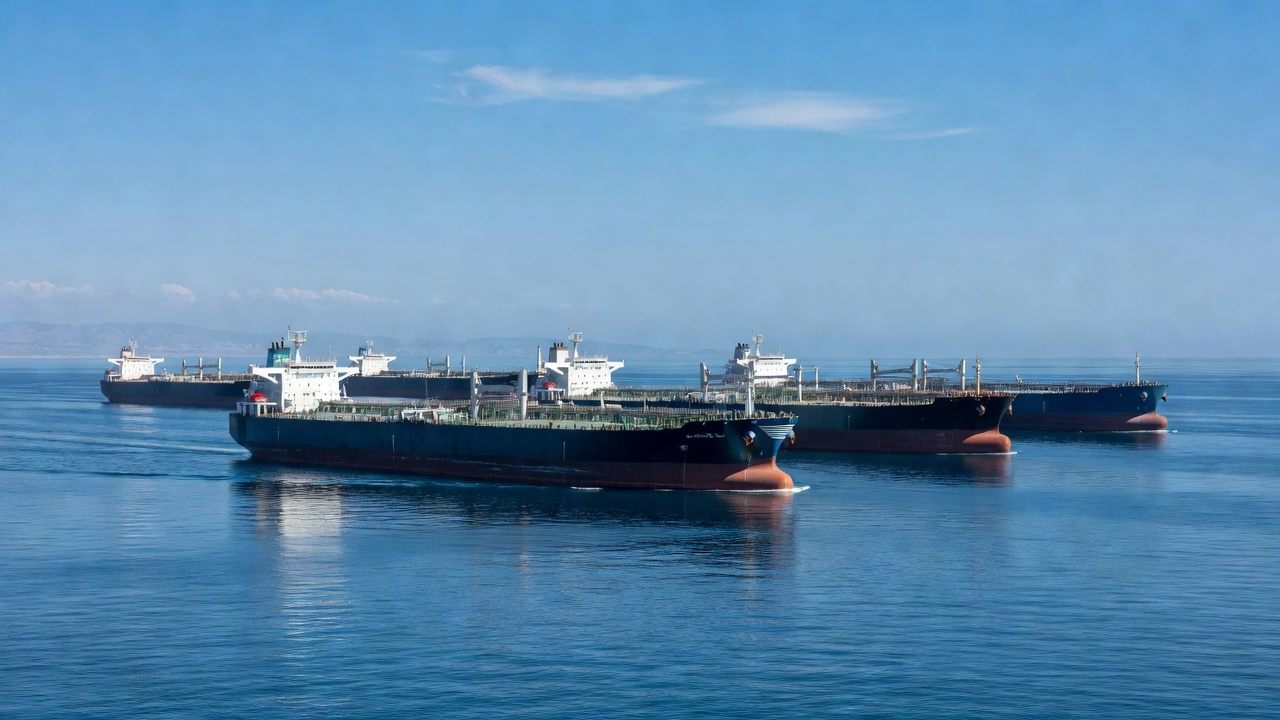
US Central Command announced that American forces struck five Iranian oil tankers after the Islamic Revolutionary Guard Corps targeted a US Navy warship with ballistic missiles on two separate occasions over the previous two days. The vessels successfully evaded the attacks with no American personnel harmed Centcom said in a statement released on September 9 2026. The destroyed tankers included the Kaviz Charminar Horizon 1 and Riesco in the Gulf of Oman as well as the Derya near Kharg Island which hosts Iran’s main oil export terminal. American forces directed crews to abandon the ships before rendering them inoperable as part of a response to what the US described as a multi-billion-dollar shadow network funding the IRGC and its proxies according to Reuters reporting on the Centcom release.
Iran responded by firing ballistic missiles at the Al Azraq base in Jordan that houses US troops the Revolutionary Guards announced through state media. Jordanian air defences intercepted 18 of the 20 missiles with the other two landing in unpopulated areas and causing no casualties Jordan’s military stated. A US official confirmed that Iran’s strikes proved ineffective and all American troops at the base were accounted for according to an Al Jazeera dispatch from the region. The IRGC claimed the operation destroyed hangars used by US fighter jets and inflicted heavy damage though those assertions could not be independently verified.
The Guards additionally stated that they targeted two US vessels and eight oil tankers attempting to cross a prohibited area in the Strait of Hormuz causing significant damage Al Jazeera reported from Iranian statements. Tehran also issued a warning for crews aboard US-linked tankers near ports in Kuwait and Bahrain to abandon their vessels immediately as they would be targeted Reuters noted in its coverage. These claims added to the rapid sequence of actions that have defined the latest flare-up in the six-month conflict.
The exchanges occur more than six months after the United States and Israel began attacks on Iran on February 28 2026 multiple outlets including The Washington Post have documented in their timelines of the war. Iranian strikes on US positions in Jordan during July killed three American service members and wounded others The New York Times visual analysis of the incidents found while also damaging infrastructure at several bases. Jordan has intercepted numerous projectiles since then as its cooperation with US operations has placed it in the line of fire according to a Los Angeles Times assessment of the kingdom’s dilemma.
Secretary of State Marco Rubio addressed the pattern while visiting Colombia saying each Iranian attempt on US naval assets would result in the loss of tankers. “Iran continues to try to hit U.S. naval ships and for every time they do that or try to do that they’re going to lose tankers” Rubio told reporters according to Bloomberg reporting. The US has maintained that its actions seek to protect shipping lanes and degrade IRGC capabilities in the Gulf.
Oil prices climbed to 99.49 dollars a barrel in early trading on September 9 as markets reacted to the disruptions in key export zones Al Jazeera reported citing trading data. The events have highlighted vulnerabilities in the Strait of Hormuz a critical conduit for global energy flows that has seen repeated Iranian activity since the conflict intensified. US officials have indicated further responses could follow if attacks on its forces continue.