
 ع
ع


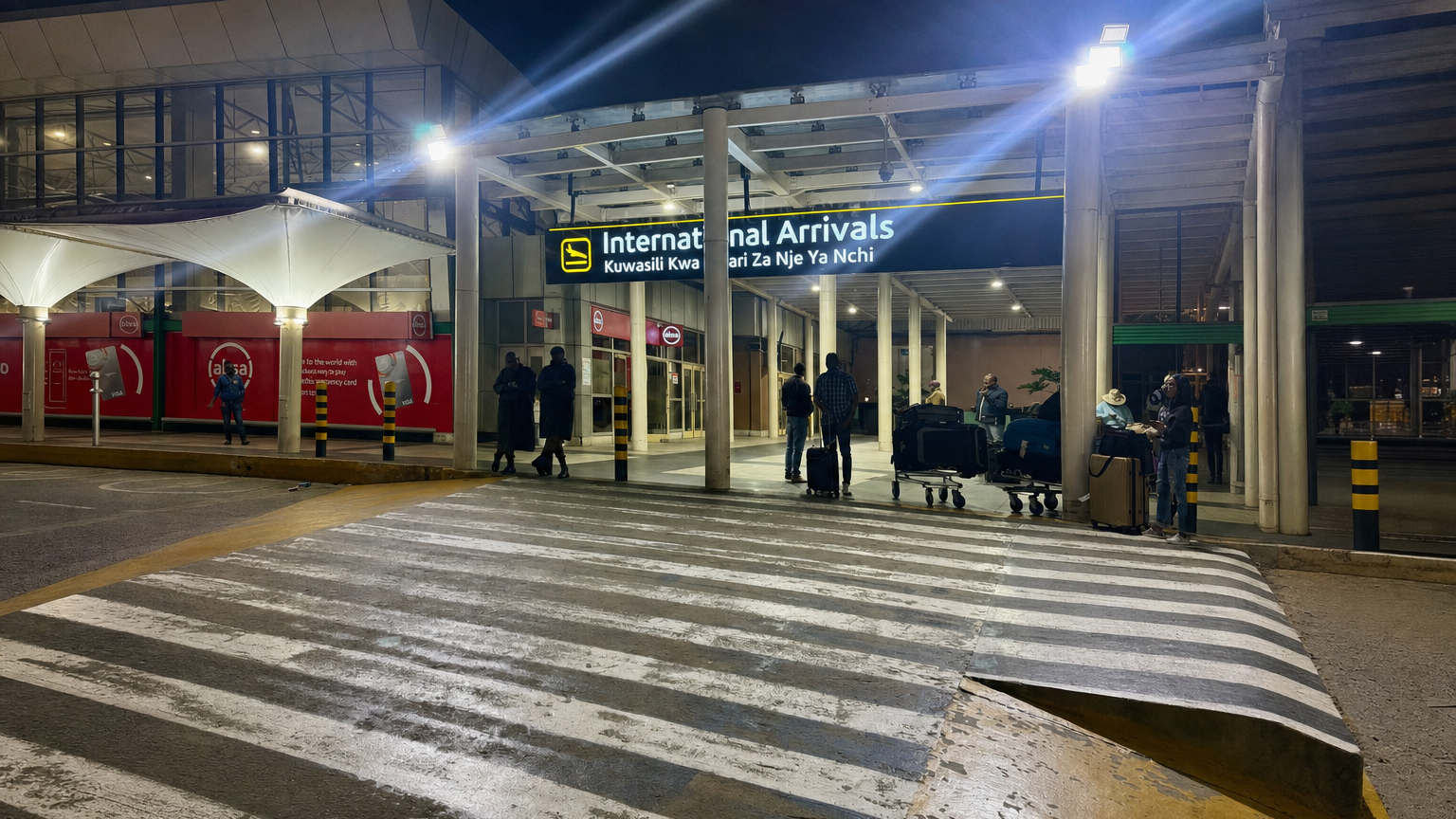
The Africa Centres for Disease Control and Prevention has detailed how the 40-year-old Kenyan businessman moved through three Ebola-affected provinces in the Democratic Republic of Congo, seeking treatment at multiple hospitals without a diagnosis before driving across the border into Uganda. According to the agency, he spent a night in Kampala and then flew from Entebbe to Nairobi on a Jambojet flight on October 3, passing standard health screenings at both airports despite symptoms that included fever and fatigue. His case, which tested positive for the Bundibugyo strain at the Kenya Medical Research Institute, has led officials from Kenya, the Democratic Republic of Congo and Uganda to schedule a joint meeting with the Africa CDC to examine how the infection evaded detection across thousands of kilometres of travel.
Kenyan health authorities placed nearly 70 potential contacts under quarantine in Nairobi while continuing efforts to trace dozens more who interacted with the patient during his journey or at Nairobi Hospital, where he was isolated after arrival by private vehicle. The Ministry of Health reported that the man died on October 6, prompting a safe burial the following day as part of activated national Ebola response protocols. Director-General for Health Patrick Amoth has attributed the undetected passage through border checks partly to medication the patient took that may have masked his fever during screenings.
Questions remain over Ebola patient who travelled across three nations undetected, as the incident exposed limitations in current temperature checks, traveler questionnaires and information sharing between affected countries during an active regional outbreak. Amoth stated that the scheduled trilateral discussions aim to reconstruct the full timeline and strengthen surveillance measures to prevent similar occurrences. The case marks Kenya’s first confirmed infection linked to the Democratic Republic of Congo outbreak that has spread across seven provinces since May.
World Health Organization figures show the Democratic Republic of Congo has registered more than 8,600 confirmed cases and over 4,100 deaths in the current outbreak, yielding a case fatality rate of 48 percent with Ituri province accounting for the majority of infections. The United Nations agency noted that the Bundibugyo virus variant has affected 64 health zones, with community deaths and delayed detections contributing to sustained transmission despite response efforts. Neighboring Uganda had declared its own linked outbreak over in August after recording 20 cases, yet the border closure implemented in May did not prevent the patient’s crossing at Kasindi.
Africa CDC Director-General Jean Kaseya told reporters that the undetected travel underscores the urgency of enhanced cross-border collaboration, saying all stakeholders need to ask themselves how one case could have driven and flown to so many places without anyone noticing. Kaseya added that Kenya is dealing with an imported case rather than local transmission, with contact follow-up reaching 80 percent in affected areas. The director-general’s assessment aligns with calls for improved real-time data sharing among regional health bodies to contain the virus before it establishes new footholds.
Kenyan health officials had screened more than 650,000 travelers and tested hundreds of suspected samples since placing its systems on alert in May, according to Ministry of Health updates. Despite these preparations, the patient cleared immigration at Jomo Kenyatta International Airport before a relative drove him directly to a private hospital where his travel history and symptoms eventually triggered testing. Officials continue to review airport protocols and plan additional training for port health staff in response to the identified gaps.